Muslims should hand over Gyanvapi site to Hindus: Union minister Giriraj Singh
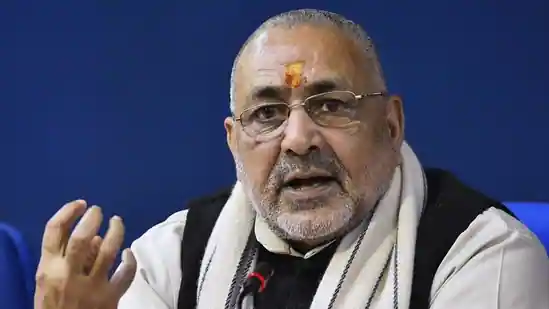
New Delhi, Jan 26: BJP leader and Union minister Giriraj Singh on Friday said Muslims should hand over the Gyanvapi mosque site to Hindus, and said no statements should be made that can disrupt communal harmony.
The remarks came a day after the ASI survey report on the Gyanvapi mosque complex was made public, with the lawyer representing the Hindu litigants claiming that the mosque was built after demolishing a pre-existing temple.
"The Pran Pratishtha (consecration) at the Ram temple (in Ayodhya) has been done by Prime Minister Narendra Modi, and the Sanatanis have welcomed it... But our demand has always been Ayodhya, Kashi and Mathura," Singh said.
"I will appeal to my Muslim brothers, when all evidence are out, hand over Kashi to Hindus, so that communal harmony is maintained. We have not broken any mosques after independence, but there is no temple left in Pakistan," he claimed.
"I am saying this for harmony, don't make provocative statements. This is changed India, the Sanatani youth has awakened," the minister said.
"If someone tries to be Babur or Aurangzeb, youths will have to become Maharana Pratap. You should ensure peace is maintained, the ball is in your court," Singh added.
A Varanasi court on Wednesday ruled that the ASI survey report on the Gyanvapi mosque complex adjoining the Kashi Vishwanath temple will be given to both the Hindu and Muslim sides.
Vishnu Shankar Jain, the lawyer of the Hindu petitioners in the Kashi Vishwanath-Gyanvapi case, told reporters in Varanasi that the copies of the 839-page report were made available to the parties concerned by the court late Thursday evening.
The report makes it clear that the mosque, which stands adjacent to the Kashi Vishwanath Mandir, was built on the remains of a grand Hindu temple after it was demolished in the 17th century during the reign of Aurangzeb, he said.
Let the Truth be known. If you read VB and like VB, please be a VB Supporter and Help us deliver the Truth to one and all.
Trump says he ‘hasn’t even thought about’ continuing Iran ceasefire
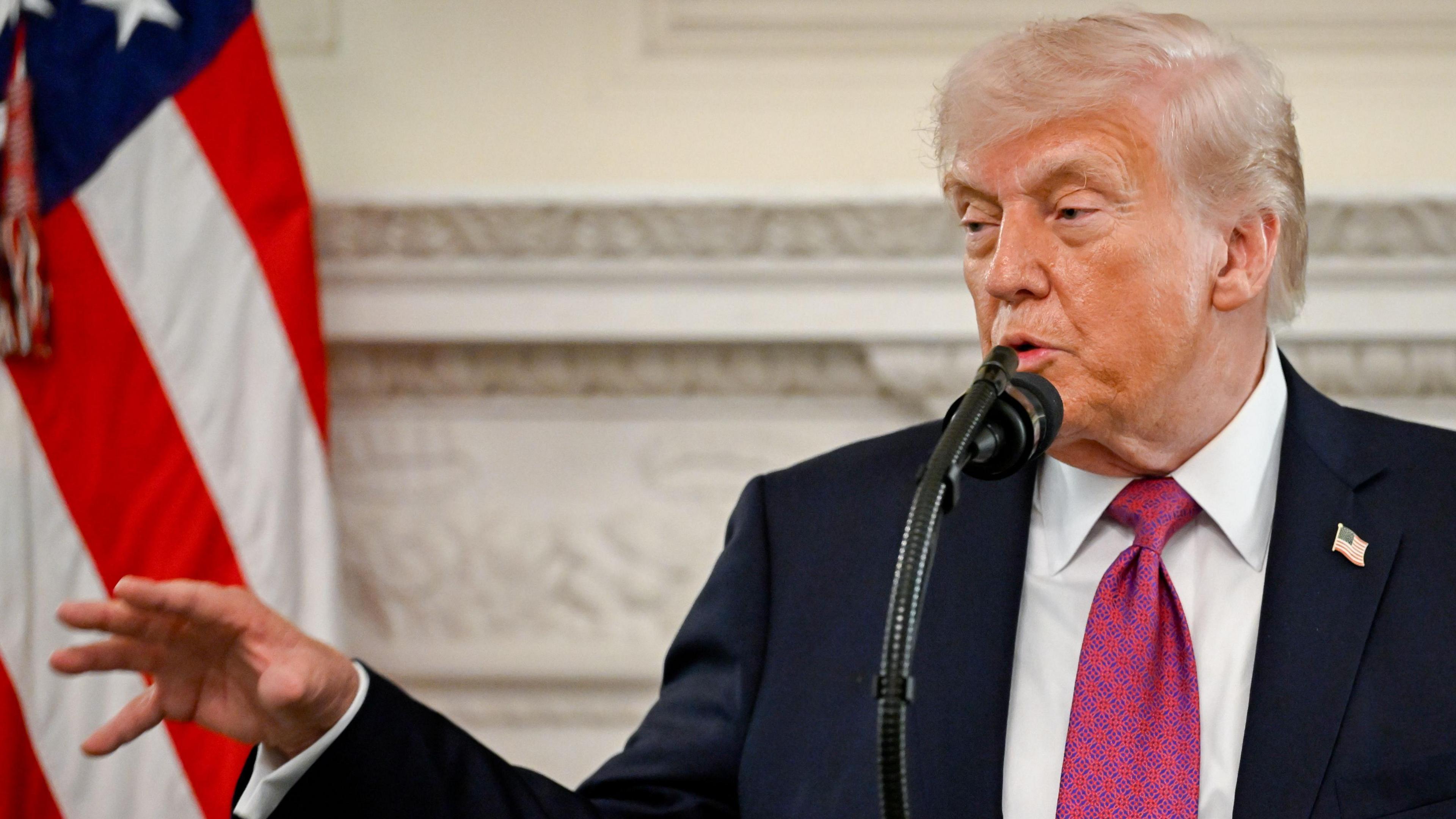
Washington: US President Donald Trump has said he has not yet considered whether he would continue the ceasefire involving Iran, while also claiming the United States holds the advantage in negotiations.
Speaking to reporters, Trump said he was prepared to make a deal with “whoever is running the show” in Iran.
“They are fighting with each other, there’s tremendous infighting. They’re probably fighting for leadership in many cases. I think they’re fighting not to be leader because we knocked out two levels of leaders,” he said.
Trump added, “When they want they can call me. We have all the cards, we’ve won everything.”
Referring to ongoing negotiations, he said, “They gave us a paper that should’ve been better. And, interestingly, immediately when I cancelled it [envoy trip to Pakistan], within 10 minutes we got a new paper that was much better.”
“We talked about they will not have a nuclear weapon, very simple … They offered a lot, but not enough,” he added.
When asked whether he would continue the ceasefire, Trump replied, “I haven’t even thought about it.”
The remarks come as uncertainty remains over the future of the temporary truce and broader negotiations between Washington and Tehran.