Nearly 1,300 ME Madrassas changed to ME schools in Assam
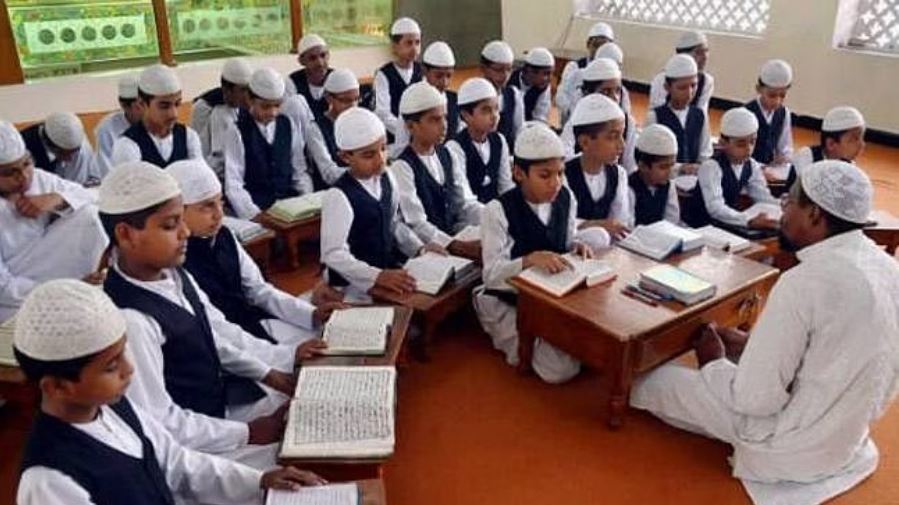
Guwahati, Dec 15: Nearly 1,300 Middle English (ME) Madrassas have been converted into general ME schools across Assam with immediate effect, according to a state government order.
The order issued by Elementary Education Director Suranjana Senapati on Wednesday said 1,281 Upper Primary ME Madrassas across the state under the Directorate of Elementary Education shall be known as "M E School" with immediate effect.
Earlier in April 2021, all the 610 state-run madrassas under the Madrassa Board were converted into Upper Primary, High and Higher Secondary schools with no change of status, pay, allowances and service conditions of the teaching and non-teaching staff.
When contacted, Senapati told PTI that classes were regularly going on in these nearly 1,300 Madrassa ME schools and only their nomenclature have been "slightly changed" as per a government instruction.
"There are students, teachers and other staff in the Madrassas. Classes were going on in these years and the same will continue without any change," she added.
Asked if theology was also being taught till now before the order was issued, Senapati declined to comment.
The list, which is available with PTI, mentioned all the madrassas and their new names. Anandapur ME Madrassa in Bajali will be known as Anandapur ME School, Charakpara ME Madrassa in Barpeta has become Charakpara ME School and likewise.
In December 2020, The Assam Madrassa Education (Provincialisation) Act, 1995 and The Assam Madrassa Education (Provincialisation of Services of Employees and Re-Organisation of Madrassa Educational Institutions) Act, 2018 were repealed.
This move of the first BJP-led Assam government paved the way for all state-funded Madrassas to shut down and transform them into general schools.
Let the Truth be known. If you read VB and like VB, please be a VB Supporter and Help us deliver the Truth to one and all.
Mangaluru positioned as Emerging Growth Hub at Vertex CXO Conclave 2026
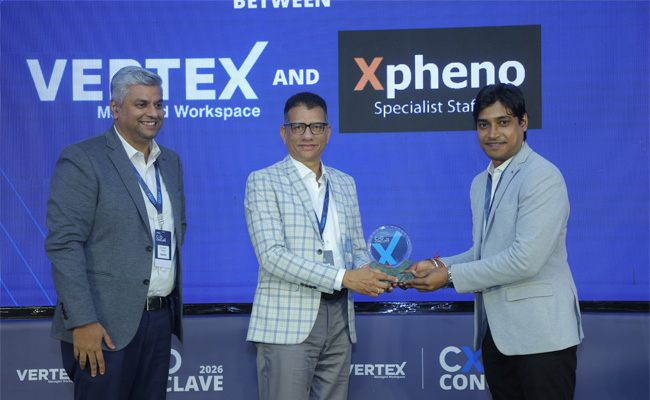
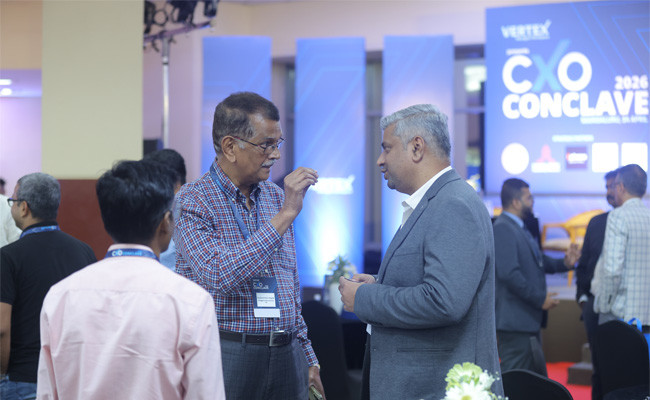
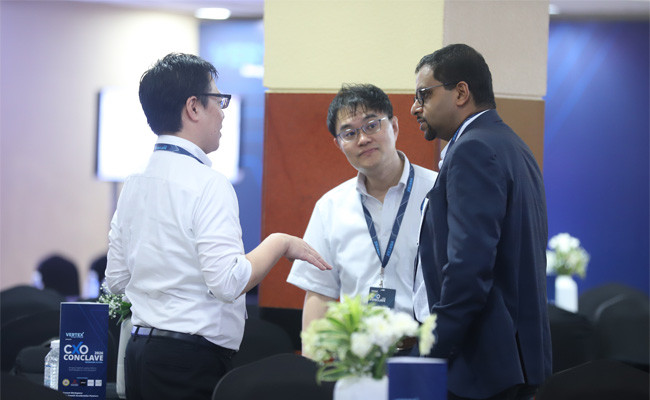
Mangaluru: The Vertex CXO Conclave 2026, organised by Vertex Workspaces, was held at the Dr. TMA Pai International Convention Centre, bringing together industry leaders, policymakers and senior executives to deliberate on opportunities for business expansion beyond Bengaluru, with a focus on establishing Mangaluru as a viable centre for enterprise and technology-led growth.
Senior officials from the Karnataka Digital Economy Mission (KDEM) and the Karnataka Innovation and Technology Society (KITS) presented policy frameworks aimed at promoting investment in non-metropolitan regions. Rahul Sharanappa Sankanur, IAS, Managing Director of KITS, along with Samir Venugopal, Bharath Chandra B. K., and Vaishak Pai from KDEM, outlined incentives pertaining to infrastructure development, talent advancement and regulatory facilitation to encourage companies to expand beyond established urban centres.
Vinayak Palanakar, Chief Marketing Officer of Vertex Workspaces, stated that the organisation seeks to evolve beyond its role as a workspace provider by fostering an enabling ecosystem for business growth. He emphasised the importance of integrating policy support, talent availability and industry collaboration, and noted that the company aims to assist enterprises operating within its ecosystem in accessing government incentives while addressing key challenges such as recruitment and talent acquisition.
Speakers at the conclave highlighted Mangaluru’s strengths, including a strong educational base, improving infrastructure and an expanding presence of information technology firms and Global Capability Centres. At the same time, they underscored the need to address challenges relating to talent retention, ecosystem maturity and enhanced industry collaboration.
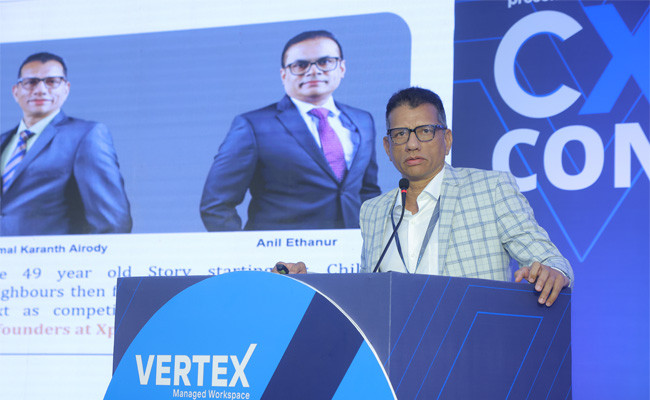
Kamal Karanth, co-founder of Xpheno, observed that while the Mangaluru–Udupi region has a consistent supply of entry- and mid-level talent, there remains a gap in the availability of senior-level professionals. He stressed the importance of structured hiring strategies and strengthening local ecosystems to mitigate workforce migration to larger urban centres.
Deliberations also indicated that although awareness regarding government incentives is increasing, there remains a need for greater clarity in processes and implementation mechanisms to enable effective utilisation. Vertex Workspaces reiterated its commitment to facilitating access to such frameworks and supporting businesses in connecting with appropriate talent networks.
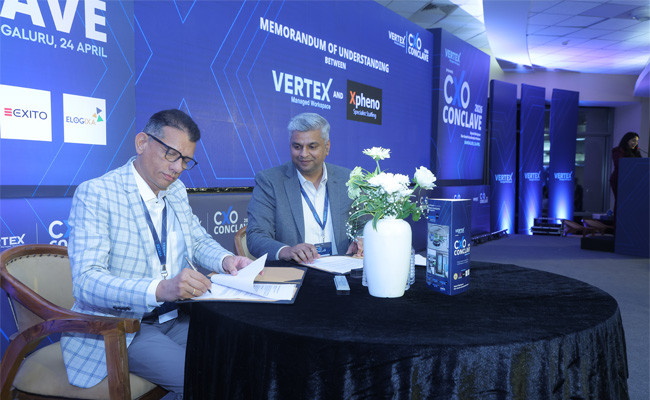
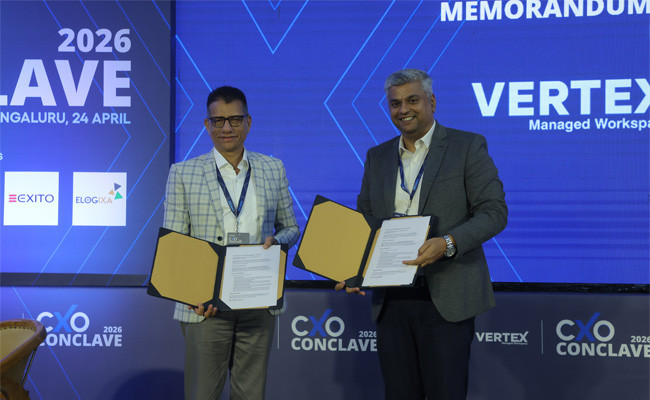
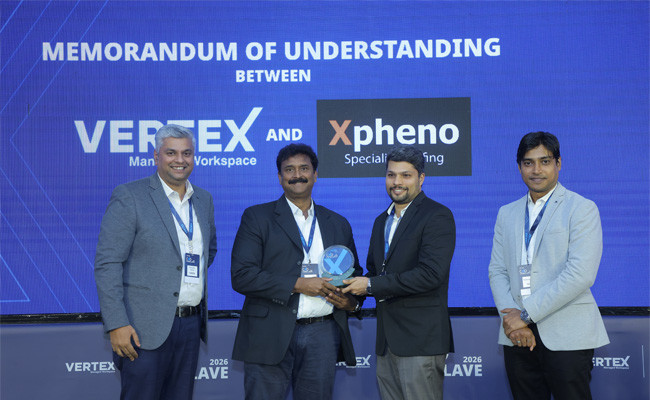
A memorandum of understanding was signed on the occasion to enhance collaboration among stakeholders and support business expansion in the region.
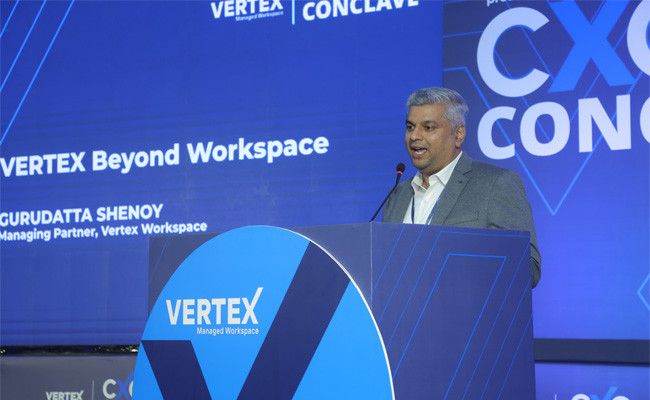
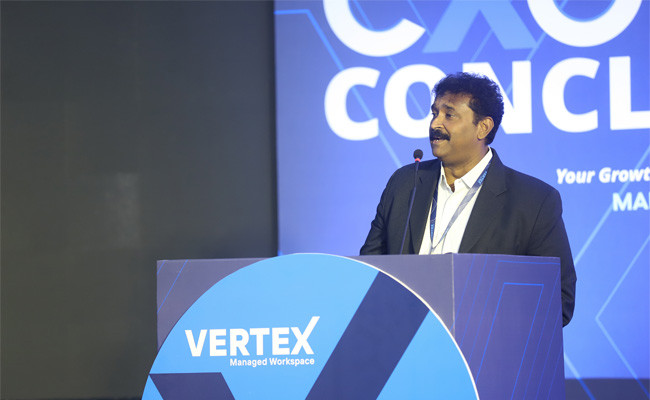
In his concluding remarks, Gurudatta Shenoy, Managing Partner of Vertex Workspaces, stated that the initiative would extend beyond the conclave through continued leadership engagements, hiring platforms and policy-oriented initiatives aimed at supporting enterprises in emerging markets.
The event also featured Vertex Ashoka, an infrastructure initiative designed to support enterprise and Global Capability Centre operations, further reinforcing Mangaluru’s growing profile as a business destination.