Nearly 3/4 of Air India’s 267 planes flagged for repeated defects since Jan 2025
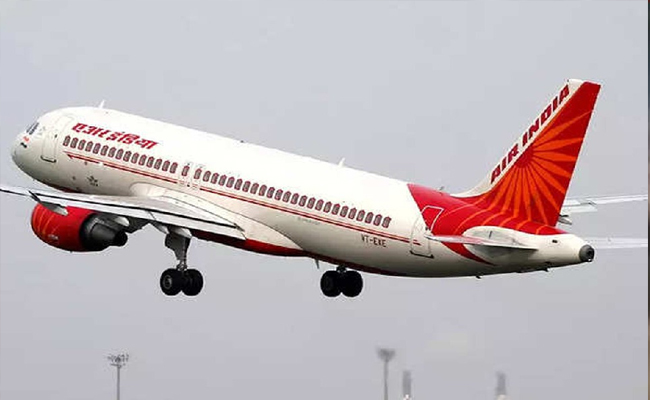
Mumbai (PTI): Nearly three-fourths of the Air India Group's 267 planes that were analysed for repetitive defects have been identified as having recurring defects, the data presented in the Lok Sabha on Thursday showed.
In all, 377 aircraft have been identified as having recurring defects since January last year, of the total 754 aircraft analysed for such deficiencies across six scheduled airlines, the government told Lok Sabha on Thursday.
Of these, 405 aircraft belonging to IndiGo were analysed, of which 148 were identified for repetitive defects, as on February 3, this year, as per the data presented by Minister of State for Civil Aviation Murlidhar Mohol in Lok Sabha in response to MPs question.
Of the 166 Air India aircraft analysed, 137 planes were identified for repetitive defects, while 54 Air India Express aircraft were identified for repetitive defects of the 101 aircraft analysed, the data showed.
Taken together, a total of 267 aircraft of Air India Group (Air India and Air India Express) were analysed, of which 191 or nearly 72 per cent were identified for repetitive defects.
Also, of the 43 aircraft of SpiceJet were analysed, 16 planes were identified for repetitive defects, and a total of 14 Akasa Air aircraft were identified for repetitive defects of the 32 aircraft analysed, according to the data.
Speaking on the data, an Air India spokesperson said, "We have, out of abundance caution, carried out checks across our fleet. Hence, numbers are higher.
A senior Air India executive said there are different types of equipment which are checked on planes. These are categorised into A, B, C and D segments, depending on the priority or urgency of the equipment.
"In case of Air India, most of the issues are with category D, which includes items like seats, tray tables, screens (on the back of seats) and so on. These are not related to the safety of the aircraft," the executive said.
As the retrofit programme for narrow-body aircraft rolls out over the next two years, these issues will be resolved too, the executive added.
At the same time, aviation safety regulator Directorate General of Civil Aviation (DGCA) also conducted 3,890 surveillance inspections, 56 regulatory audits, 84 surveillance of foreign aircraft (SOFA) and 492 ramp checks as part of its planned surveillance activities in last year besides carrying out 874 spot checks and 550 night surveillance as part of the unplanned surveillance activities during the previous year, Mohol said.
In response to another question, the Minister said that in 2022, DGCA had 637 sanctioned technical posts and added that in order to address shortage of manpower in future, the restructuring has been done and number of sanctioned technical posts has been increased to 1063.
Let the Truth be known. If you read VB and like VB, please be a VB Supporter and Help us deliver the Truth to one and all.
3 held, hunt on for 4 accomplices after they kidnap, assault and urinate on man in Bhopal

Bhopal (PTI): Police have registered a case against seven persons and arrested three of them for allegedly kidnapping, assaulting and urinating on a 22-year-old man in Madhya Pradesh capital Bhopal, officials said on Thursday.
The incident occurred during the intervening night of April 26 and 27 in an area located under the Hanumanganj police station limits, an official said.
One of the accused urinated on the face of the victim and captured a video of the act, which was later circulated on social media to humiliate him, he said.
"A complaint in this connection was lodged by Jaswant Markam (22), a resident of Kamla Nagar, based on which a case was registered against seven persons under sections of Bharatiya Nyaya Sanhita (BNS) and police have arrested three of them, including one Prem Thapa," Bhopal Police Commissioner Sanjay Kumar said.
Three police teams have been formed and the remaining suspects will be apprehended soon, he said.
During the intervening night of Sunday and Monday, Markam was at the local bus stand with a friend when around 4 am, the accused took him away on the pretext of discussing something with him. They asked him about his neighbour and friend Aniket. When he refused to provide any information, they started assaulting him, the police said.
The accused then took him to a forest in Karond area, where he was stripped and severely thrashed, they said.
When the man began to lose consciousness, one of the accused urinated on his face and made a video of the act, which was circulated on social media to humiliate him and spread terror, according to the police.
The accused called Markam's friend around 5 am to inform him about his condition. The victim was subsequently admitted to a hospital, the officials said, adding that the viral video was also being investigated.
Responding to a query, Hanumanganj police station in-charge Awdhesh Bhadoria said if the victim was found to be from the tribal community, then relevant sections will be invoked against the accused.
At present, the police are probing the incident and search is on to arrest the remaining accused, he added.
In 2023, a man had urinated on a tribal youth in Sidhi district of Madhya Pradesh. A video of the incident had gone viral on social media platforms and created a controversy.