New Delhi: After 2 yrs, scores of devotees throng mosques to offer Eid Namaz
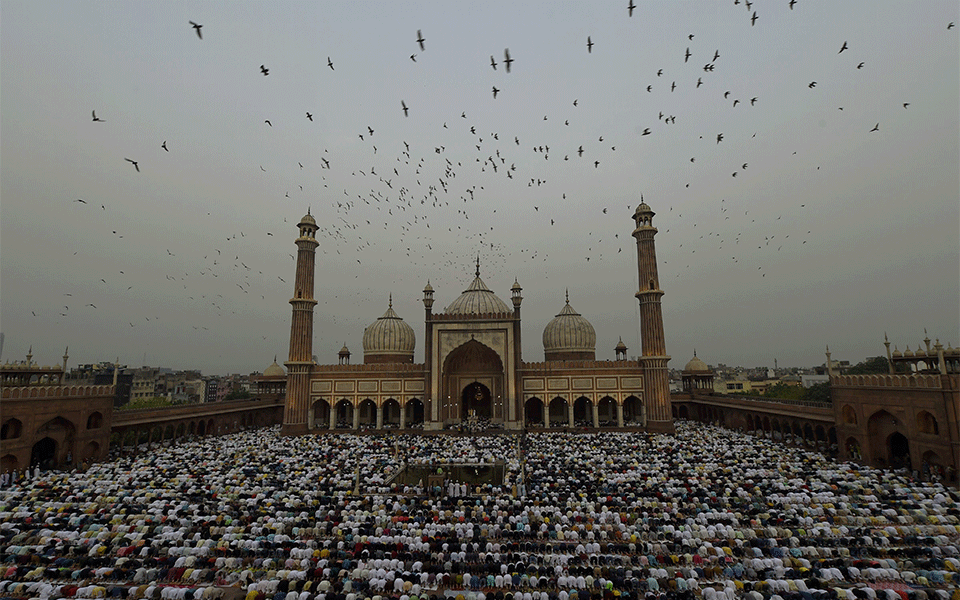
New Delhi (PTI): After a gap of two years, the Namaz of Eid was performed in mosques across Delhi, including at the historic Jama Masjid and Fatehpuri Masjid, as COVID-19 restrictions remain suspended due to a dip in cases.
On Tuesday morning, several mosques shifted the Namaz timings, keeping in mind the summer heat. Some others held special prayers in two shifts to accomodate scores of devotees.
Tight security arrangements were put in place at major religious places and also in different parts of the city for peaceful progression of the Namaz.
Festivities broke out with people greeting and hugging each other after the Namaz and shopping their favourite delicacies and other items.
"The Namaz of Eid is performed after sunrise and it used to be carried out around 8-9 am earlier. But this time, we preponed it keeping in mind the scorching heat these days," Shahi Imam of Jama Masjid Syed Ahmed Bukhari said.
The Namaz was performed at 6 am at the Jama Masjid. Many other mosques, including Fatehpuri, Sunehri Masjid, Shahjahano Masjid, Bhoori Bhatiyari and Dhaka Masjid, too held the Namaz between 6 am and 7 am.
Junglewali Masjid in Azad Market and a few other mosques held prayers in two shifts to accommodate the people.
In the last couple of years, people were forced to offer the Namaz of Eid at their homes as religious places remained closed as Covid-induced restrictions were in place.
Let the Truth be known. If you read VB and like VB, please be a VB Supporter and Help us deliver the Truth to one and all.
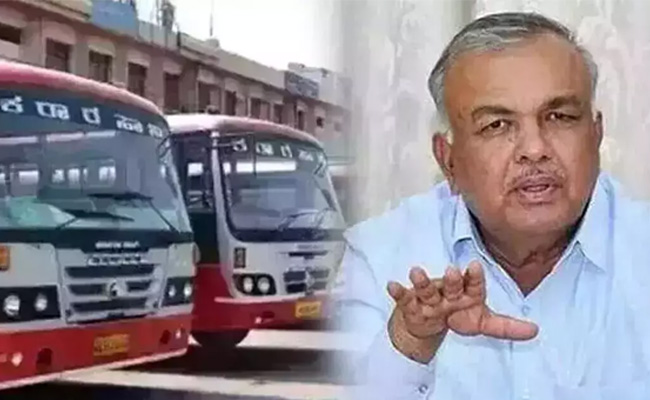
Congress using hijab issue to pacify minority anger, alleges Karnataka LoP R Ashoka
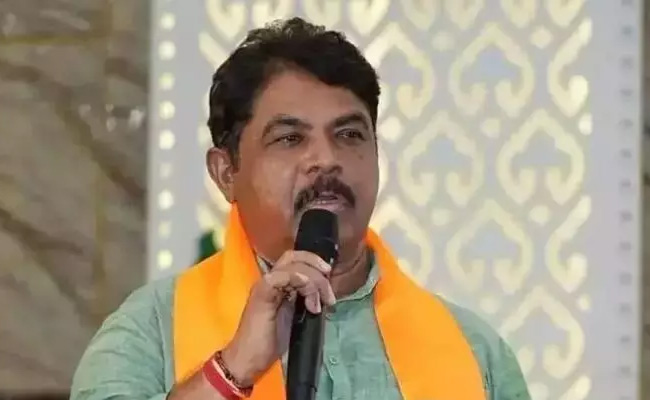
Bengaluru: Leader of Opposition in the Assembly R. Ashoka has accused the Congress government of using the hijab issue to placate what he described as discontent among minority voters after the Davanagere by-election.
In a post on X on Wednesday, Ashoka alleged that the state government, instead of addressing issues such as price rise, corruption, farmers’ distress and law and order, was attempting to retain its minority vote base by reviving the hijab issue.
Referring to the 2022 dress code introduced by the BJP government, which prohibited hijab in schools and colleges, Ashoka said the Karnataka High Court had upheld the policy and emphasised the importance of discipline in educational institutions.
He questioned the Congress government’s move to revisit the issue and asked whether setting aside the court-backed policy to benefit one community could be described as secularism.
Ashoka further alleged that while the government was willing to permit hijab, it continued to prohibit saffron shawls.
He accused the government of dividing students on religious lines rather than treating schools and colleges as spaces of equality.
Drawing a comparison with Mamata Banerjee’s government in West Bengal, Ashoka claimed that excessive appeasement politics had harmed the state and warned that the Congress in Karnataka could face a similar political response.
He said voters in Karnataka would teach the Congress a lesson for what he termed “vote-bank politics” and for compromising constitutional and judicial principles.