New Delhi: Complaint filed against Assam CM Himanta Sarma for hate speech against Bengali Muslims
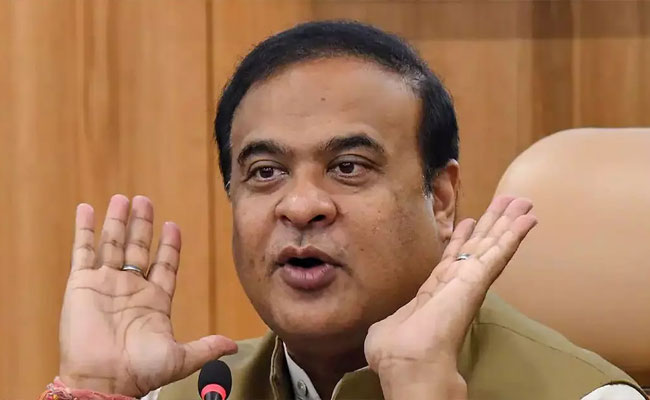
New Delhi: Human rights activist and former civil servant Harsh Mander has filed a police complaint against Assam Chief Minister Himanta Biswa Sarma, accusing him of making hate speech targeting Bengali-speaking Muslims in Assam.
The complaint, filed at the Hauz Khas Police Station, relates to statements allegedly made by Sarma on January 27, 2026, during an official event in Digboi in Tinsukia district of Assam.
According to the complaint, the Chief Minister’s remarks promoted hatred, harassment and discrimination against Bengali-speaking Muslims, commonly referred to as “Miyas”, a term widely regarded as derogatory in Assam.
Mander has sought prompt action and registration of an FIR under relevant provisions of the Bharatiya Nyaya Sanhita, 2023, including Sections 196, 197, 299, 302, and 353, and has requested a proper investigation and immediate steps to prevent any further such statements as the state conducts its special voter revision process.
This comes after social media outrage erupted as Sarma continues to make hate speech targeting Muslims of Bengali origin in Assam. Sarma, who has a long record of Islamophobic remarks, said he and his government are fully prepared to “harm,” “make suffer,” “teach a lesson,” and “give trouble” to “miyas,” a term he uses to describe Muslims of Bengali origin in Assam.
On 27 January, at an official event in Digboi in Tinsukia district, Himanta Biswa Sarma referred to Bengali-speaking Muslims using the term “Miya” and made remarks encouraging harassment, social discrimination, and the deletion of their names from electoral rolls.
Addressing reporters on the sidelines of the event, Sarma reportedly asserted that it was his responsibility to cause hardship to the Miya community and said steps were being taken to ensure they could not vote in Assam.
While the Election Commission is conducting the Special Intensive Revision in 12 states and Union Territories, Assam is currently undergoing a Special Revision process. Referring to this, Sarma reportedly said the present exercise was only preliminary and that a larger deletion of names would take place when the SIR is implemented in Assam.
The complaint states that these remarks threaten communal harmony, public order, and the constitutional rights of the affected community, including their right to vote and livelihood. It further alleges that the speech amounts to incitement to discrimination and hostility.
The complaint further notes that the remarks were made by a sitting Chief Minister at an official event, which significantly aggravates their impact, as they carry the imprimatur of state authority and are likely to embolden unlawful acts by both state functionaries and private individuals, the complainant said.
Mander said that, given that the statements disclose the commission of cognisable offences, including offences relating to promoting enmity, deliberate and malicious acts intended to outrage religious feelings, criminal intimidation, and abuse of official position, the registration of an FIR is mandatory under law.
Let the Truth be known. If you read VB and like VB, please be a VB Supporter and Help us deliver the Truth to one and all.
AIITA welcomes Karnataka’s ban on obscene songs in school events
Bhatkal: The Karnataka unit of the All India Ideal Teachers Association (AIITA) has welcomed the Karnataka government’s decision to strictly ban school children from dancing to obscene songs during educational and cultural programmes in government, aided, and private schools across the state.
AIITA Karnataka State President M. R. Manvi congratulated the government for taking what he termed an important step to preserve the sanctity of education.
“Such decisions to safeguard the dignity of school children and uphold the values of education are the need of the hour. This rule should not be limited to government schools alone but must be strictly implemented in all private educational institutions as well,” he said.
He further urged the government to address other concerns within school programmes.
“The government should not only prohibit obscene dances in the name of school anniversaries, but also ensure that plays and dialogues that incite religious hatred are avoided. Schools should be centres of harmony, not platforms for spreading hatred,” he added.
According to a recent circular issued by the Department of School Education and Literacy, obscene dances are adversely affecting the mental health and moral values of students.
In this regard, schools have been advised to use songs that promote nationalism, positive thinking, the greatness of Kannada culture, and value-based traditions instead of inappropriate content during programmes.
The circular also emphasises that students should be dressed in decent attire.
AIITA also backed the department’s warning that disciplinary action would be taken against head teachers if such guidelines are violated. The association has further demanded that district Deputy Directors of Public Instruction strictly monitor the implementation of these rules.