New Delhi: Rapido driver refuses Muslim passenger, “Musalmaan allowed nahi hai meri gaadi mein”
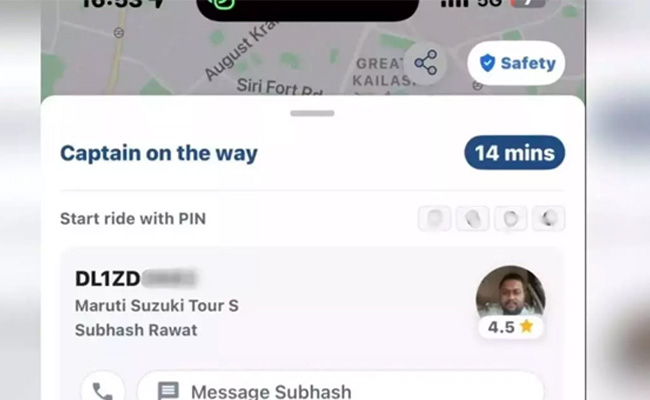
New Delhi: A Rapido driver allegedly refused to pick up a Muslim passenger on Eid, saying, "Musalmaan allowed nahi hai meri gaadi mein" (Muslims are not allowed in my vehicle), triggering outrage on social media, madhyamam reported.
The incident involved a Kerala-origin journalist, Zain, who is based in Delhi. He had booked a ride with driver Subhash Rawat, who allegedly declined the trip after realising the passenger’s identity.
"Why are you saying I am not allowed? Because I am a Muslim?" Zain asked during the call.
"Yes, Muslims are not allowed in my vehicle. This is not your father’s vehicle," Rawat shot back, telling him to stop calling. Rawat holds a 4.5 app rating.
Zain shared the call recording online, which quickly went viral, drawing widespread criticism and demands for action against the driver and the company.
The company apologized publicly, terming the conduct "completely unacceptable." In a statement, the company said, "Your safety is our top priority, and we are committed to ensuring a respectful and secure experience for all our passengers."
Further action against the driver is awaited.
Let the Truth be known. If you read VB and like VB, please be a VB Supporter and Help us deliver the Truth to one and all.
Lebanon appoints new representative for talks with Israel, rejects linkage to Iran
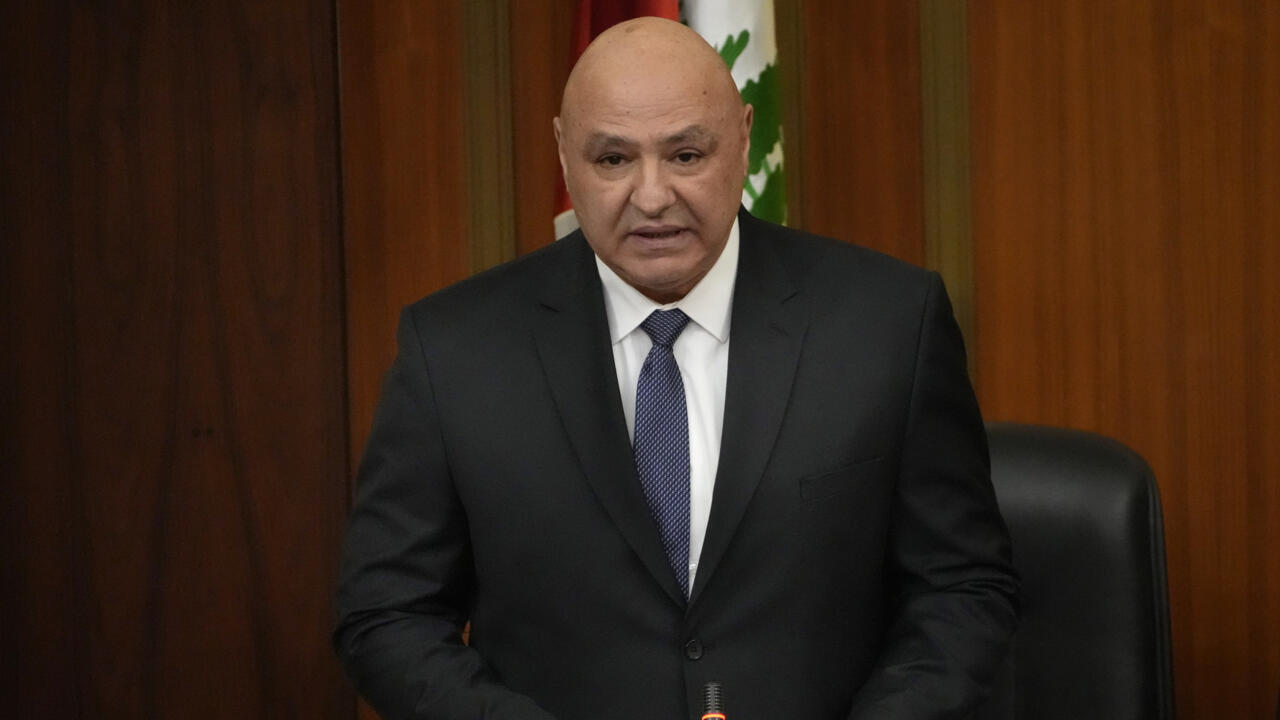
Beirut: Lebanon’s has moved to underline its independent position in ongoing regional developments, amid attempts to link the country to the broader conflict involving Iran, the United States and Israel.
President Joseph Aoun, while announcing the appointment of former US ambassador Simon Karam as Lebanon’s representative in talks with Israel, made it clear that Karam would be the sole representative for Lebanon and that there would be no substitute.
The move comes in response to what the Lebanese officials see as efforts by Iran to tie Lebanon’s situation to the wider regional conflict. Iran had indicated that there would be no ceasefire involving the US, Israel and Iran unless it also included a ceasefire in Lebanon.
Some groups, including Hezbollah and its supporters, had expressed support for linking the situations, citing concerns that the Lebanese government has limited leverage in negotiations with Israel. Lebanon is not formally a party to the conflict, and its army is considered weak.
However, others, including Prime Minister Nawaf Salam, have opposed this approach. They view Iran’s stance as an attempt to influence Lebanon’s internal affairs and see it as undermining the country’s sovereignty.
Officials backing the government’s position say the move is aimed at reaffirming Lebanon’s sovereignty and ensuring that decisions about peace and ceasefire within the country are not dictated externally.
They also see it as a safeguard, so that any breakdown in talks between the US, Israel and Iran does not automatically lead to renewed conflict in Lebanon.