'New varient' scare: Mumbai gears up for night curfew; essential supplies spared
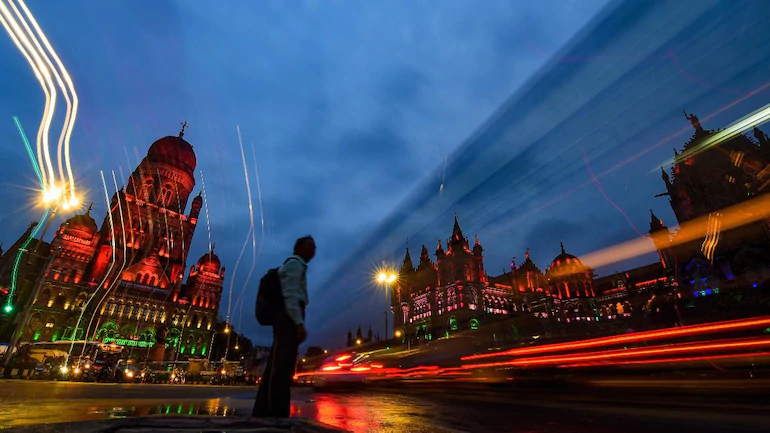
Mumbai, Dec 21: As the Maharashtra government on Monday declared a night curfew in municipal corporation areas, the Mumbai civic administration moved to enforce restrictions and make arrangements to quarantine air passengers arriving from Britain, where a new COVID-19 variant is spreading fast.
The state government has declared a night curfew in municipal corporation areas (cities) from December 22 to January 5 as a precautionary measure amid growing concerns over the new coronavirus variant spreading in Britain.
As per the state government directive, a curfew between 11 pm and 6 am will be enforced in the financial capital till January 5, Brihanmumbai Municipal Corporation (BMC) commissioner I S Chahal said.
Chahal said essential services like vegetable and milk supply will remain unaffected during the night curfew but more than five people can not assemble at a place during the seven- hour-long period.
The IAS officer said the government decision will put restrictions on Christmas and New Year celebrations in the metropolis.
People were found violating COVID-19-related norms at pubs and night clubs during recent raids, the civic commissioner said.
As per the state government estimates, around 1,000 passengers are expected to arrive at the city airport by five flights from the UK till December 22 midnight, he said.
Chahal said all of them will be compulsorily kept at institutional quarantine facilities for seven days even if they do not have any COVID-19 symptoms.
Passengers showing COVID-19-like symptoms will be admitted at the BMC-run Seven Hills Hospital at suburban Marol, he said.
Passengers from Pune, Nagpur and other parts of the state coming by these flights won't be allowed to go home and they will have to stay in institutional quarantine even if they do not show any COVID-19 symptoms.
Let the Truth be known. If you read VB and like VB, please be a VB Supporter and Help us deliver the Truth to one and all.
Double-decker electric bus gutted in fire at Kurla BEST depot
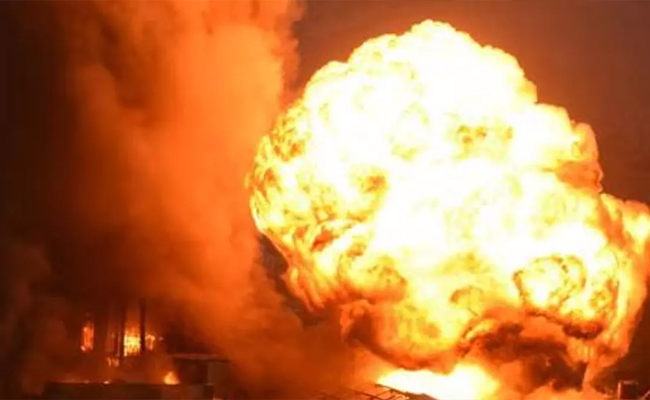
Mumbai (PTI): An empty double-decker electric bus was gutted in a fire during servicing at a BEST depot in Mumbai's Kurla area on Sunday, officials said, adding that nobody was injured.
The blaze broke out inside the Kurla BEST bus depot near Kanakia Building at 4.14 pm, according to preliminary information from the Mumbai Fire Brigade.
The parked bus was unoccupied at the time of the incident.
Fire brigade personnel rushed to the spot and brought the blaze under control. The exact cause of the fire was yet to be ascertained, they said.
No injuries were reported in the incident, officials added.
The Brihanmumbai Electricity Supply and Transport (BEST) Undertaking has hired 50 electric double-decker buses from Switch Mobility in its fleet of around 2,700 buses.