Nilgiris faces high landslide risk, Geological Survey of India warns
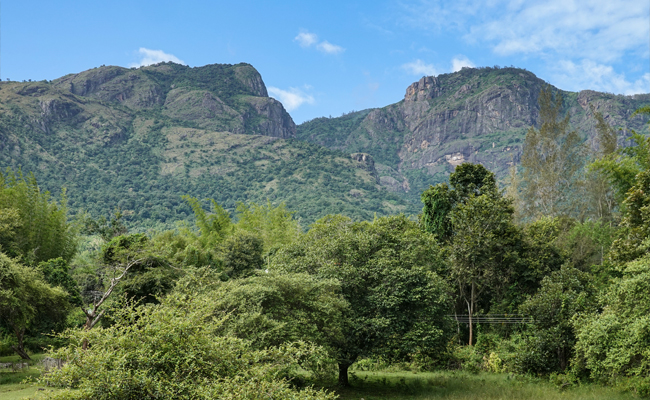
Chennai: A new report by the Geological Survey of India (GSI) has revealed that approximately 1,000 square kilometers of Tamil Nadu, primarily the Nilgiris district, faces a significant risk of landslides.
The mapping, which was part of a comprehensive assessment of landslide-prone areas across India, highlights the vulnerability of this region. According to a submission by the Ministry of Earth Sciences in Parliament, as cited by The New Indian Express on Friday, the total mapped area in Tamil Nadu spans 11,000 square kilometers. Of this, 8,000 square kilometers are classified as low-risk, 2,000 square kilometers as moderate-risk, and the remaining 1,000 square kilometers, including the Nilgiris, are categorised as high-risk.
The Nilgiris district has been specifically identified as one of India’s key landslide-prone regions. The GSI mapping, which covers 4.3 lakh square kilometers of hilly and mountainous areas across 19 states and Union Territories, includes critical regions such as the Himalayas, the north-eastern hill belts, and the Western Ghats.
Since this year’s monsoon season, based on a prototype of a regional Landslide Early Warning System developed for India, GSI has been providing operational and experimental landslide forecast bulletins for 21 districts in eight states, added the report.
Nilgiris is the only district from Tamil Nadu in the list. Other states on the list include West Bengal, Sikkim, Kerala, Karnataka, Uttarakhand, Himachal Pradesh, and Nagaland.
Nationally, the susceptibility mapping reveals key regional differences. States like Uttarakhand, Andhra Pradesh, Himachal Pradesh, Nagaland, and parts of the Western Ghats (Kerala and Maharashtra) show a higher proportion of land in the "high-risk" category. Conversely, states such as Assam, Tripura, and Meghalaya mostly fall under the "low-risk" category.
Let the Truth be known. If you read VB and like VB, please be a VB Supporter and Help us deliver the Truth to one and all.
Yenepoya University conducts autism awareness campaign in Mangaluru
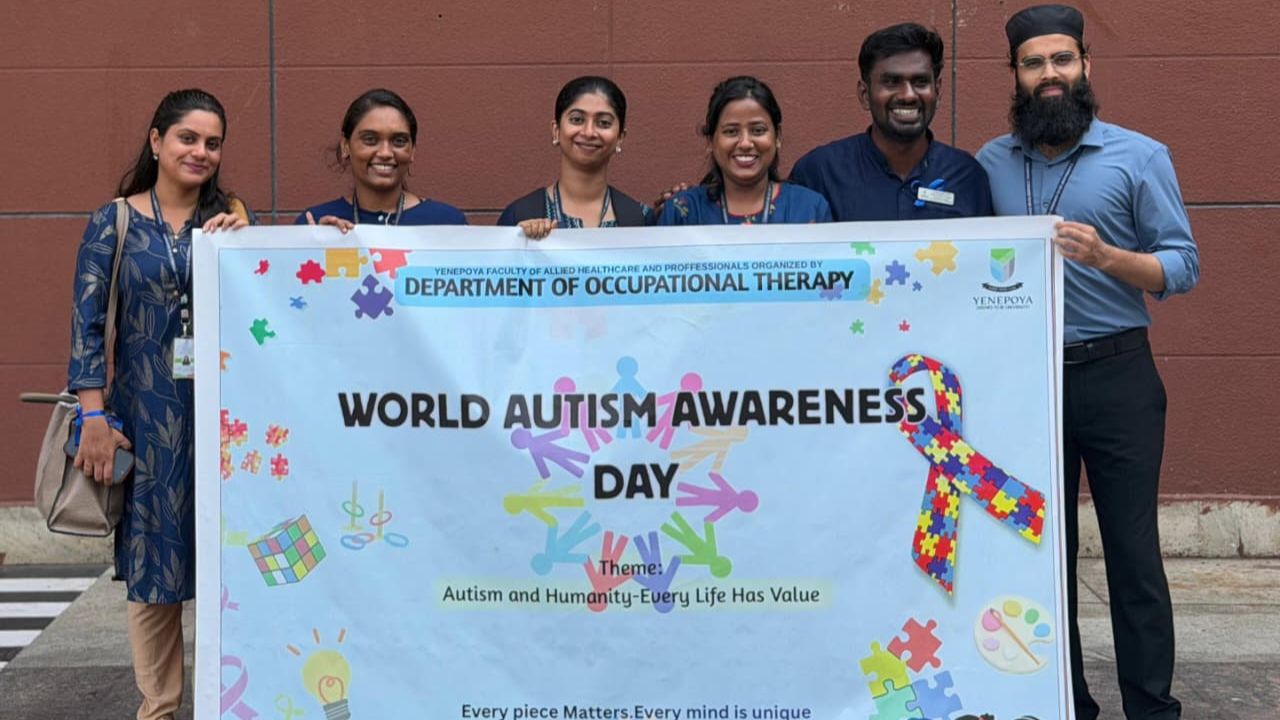
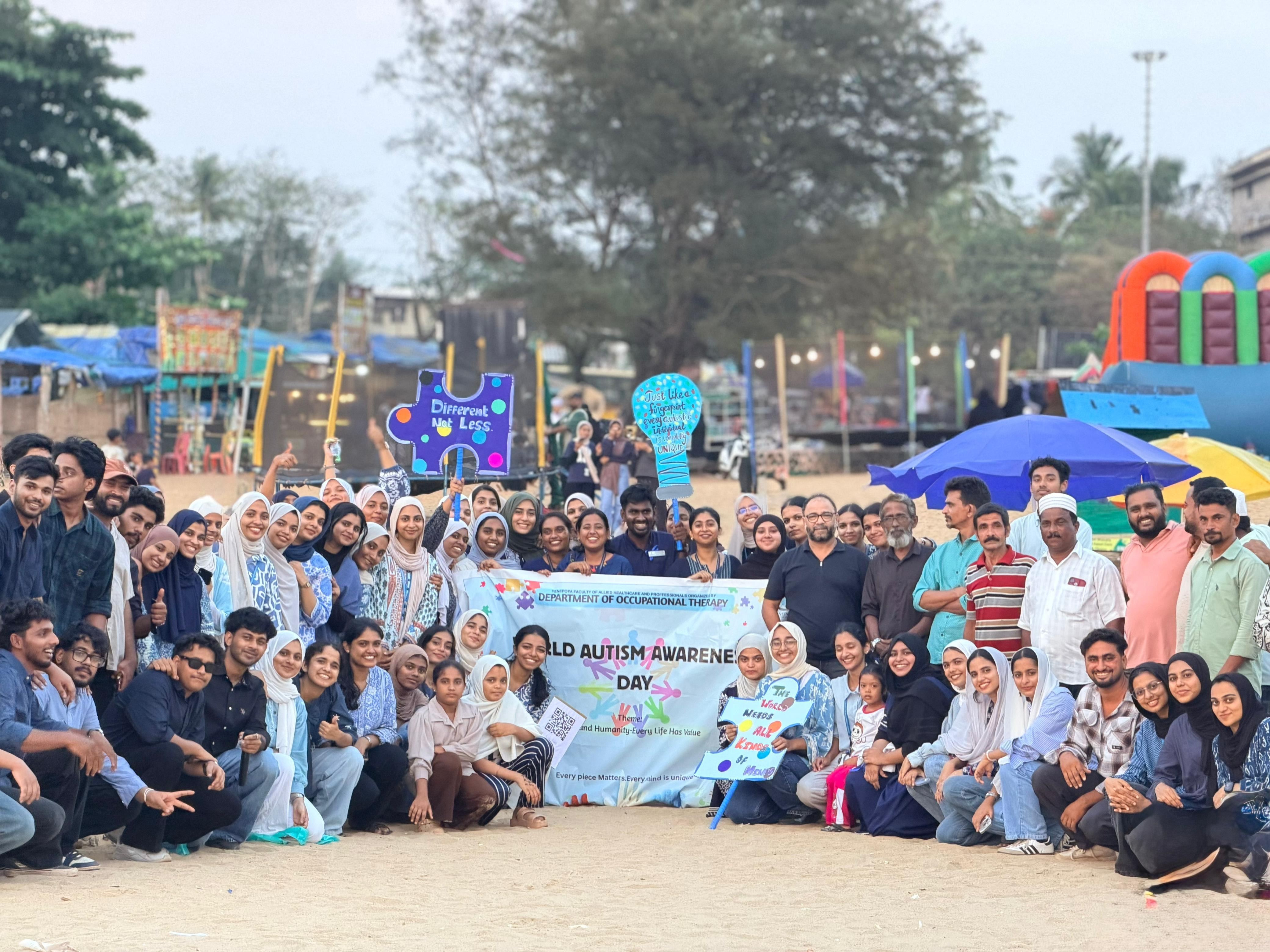
Mangaluru: The Department of Occupational Therapy at Yenepoya (Deemed to be University) conducted a community-based Autism Awareness Campaign at Fiza Mall and Ullal Beach in the city.
The campaign was aimed at promoting awareness, inclusion, and early identification of autism, in line with the global theme, “Autism and Humanity – Every Life Has Value.”
The programme was led by Dr. Dhayanithi K and Dr. Ananya Jana as organising chairpersons, with Dr. Anas, Dr. Amanda S. Phillip, and Dr. Ansu V. David served as organising members.
Students of the Bachelor of Occupational Therapy (BOT) programme participated in conducting the campaign.
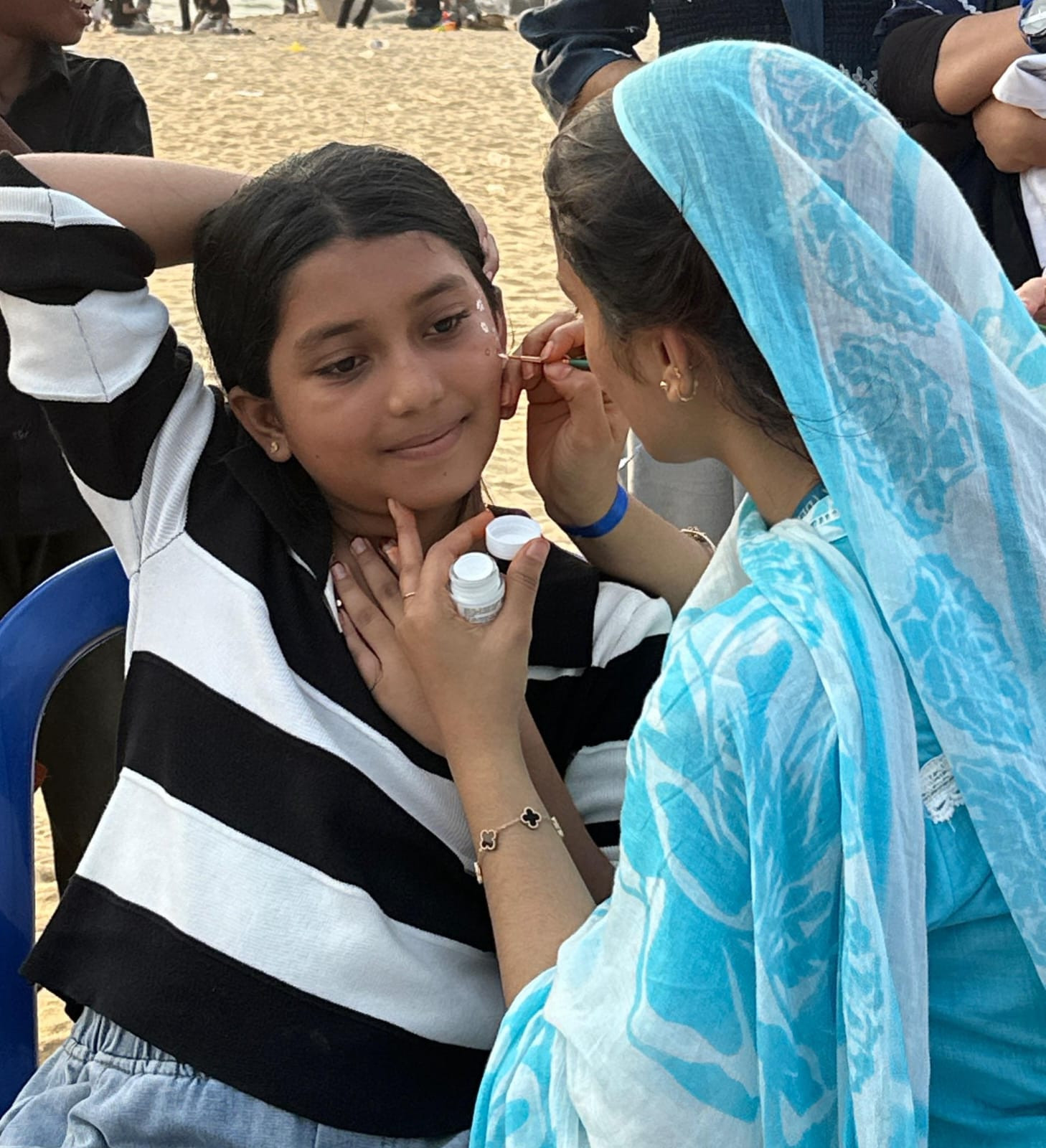
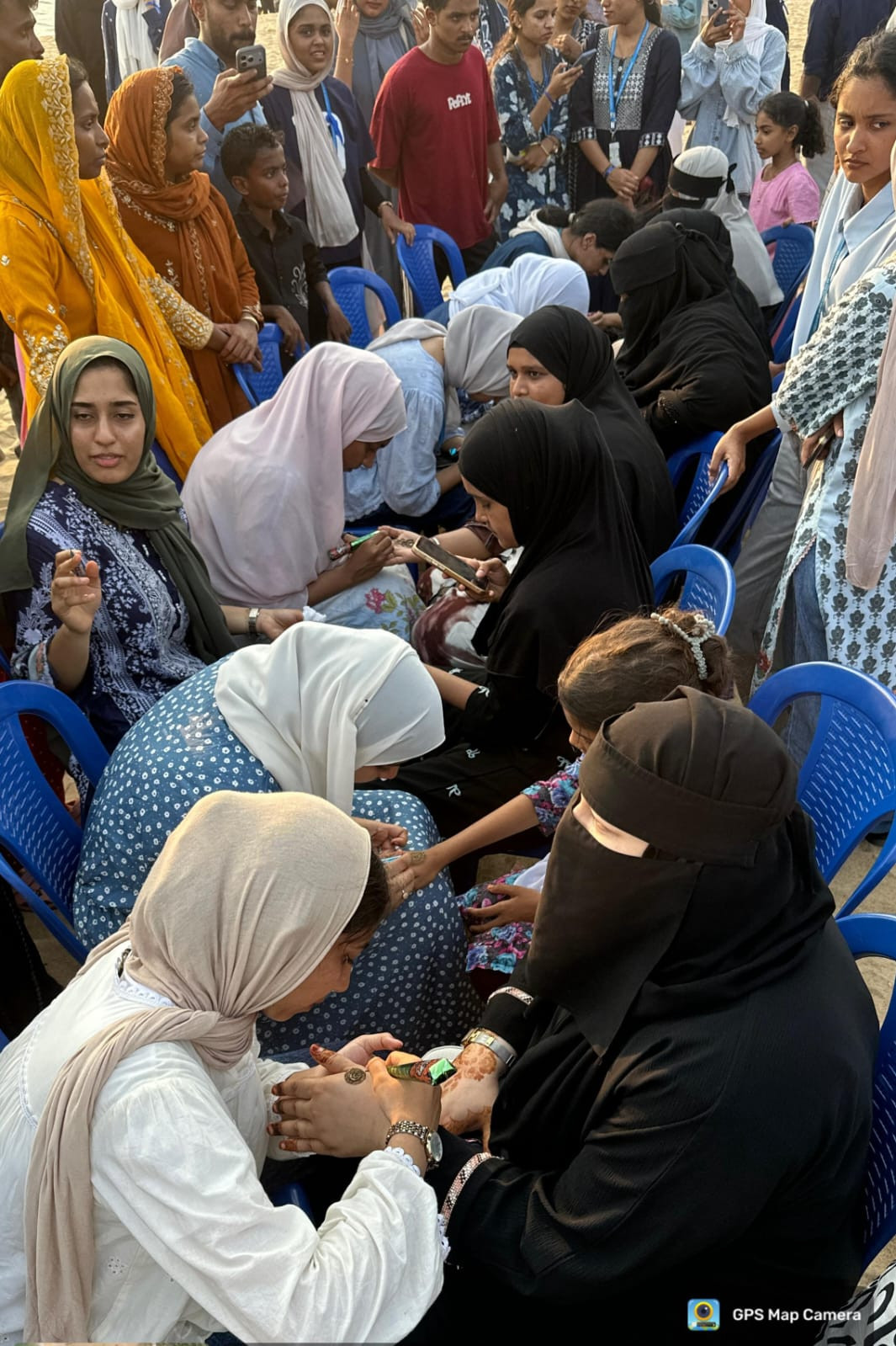
The event included activities such as flash mobs, street plays, face painting, mehendi, and direct interaction with the public.
These activities focused on highlighting early signs of autism, the need for early intervention, and the importance of inclusion and acceptance of individuals with autism.
The campaign reached around 300 to 500 members of the public. It also provided students with practical exposure to community-based rehabilitation and public health education.
As part of the initiative, QR-based digital resources were introduced to help the public access reliable information on autism.
“Awareness is the first step towards inclusion, and early intervention can significantly improve outcomes,” the organising team said.
The department thanked the university for its support in organising the campaign. It also acknowledged the cooperation of the management of Fiza Mall and the Ullal Beach Police Department in facilitating the event.