No job losses due to merger of public sector banks: Arun Jaitley
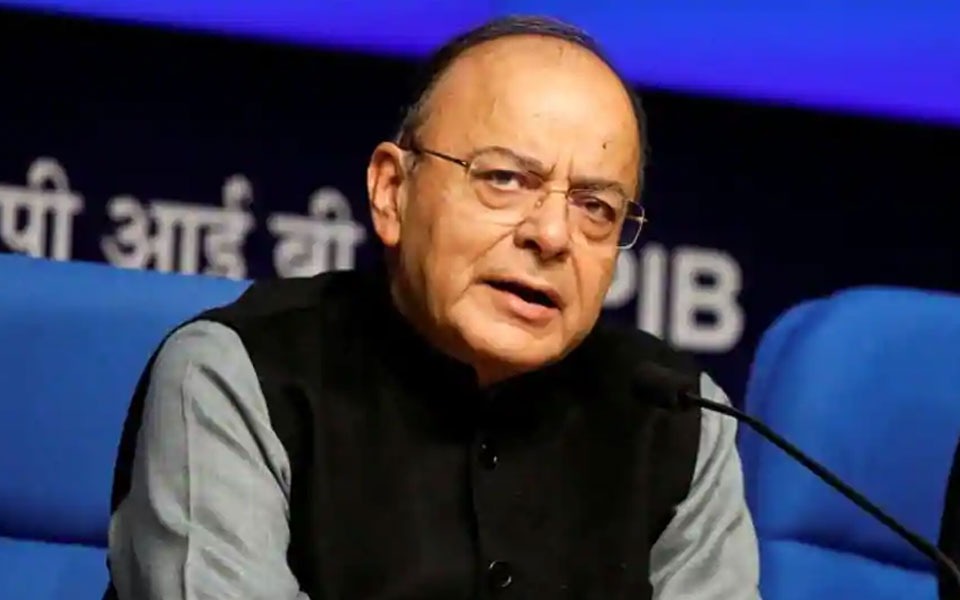
New Delhi, Jan 4 : Finance Minister Arun Jaitley on Friday said in Lok Sabha that there would be no loss of jobs due to merger of public sector banks.
Earlier this week, the Cabinet approved merger of Vijaya Bank and Dena Bank with Bank of Baroda.
Jaitley said that there would be no job losses due to merger of the banks and that the move would create a bigger entity like the State Bank of India (SBI).
The cost of lending could also become cheaper, he added.
During the Question Hour, the minister said that out of the 21 public sector banks, 11 are under PAC (Prompt Corrective Action) framework.
PAC is initiated against banks that have high levels of non-performing assets (NPAs).
Replying to a supplementary question, Jaitley said the curve of non-performing assets would go down and that the Insolvency and Bankruptcy Code has helped in bringing back around Rs 3 lakh crore into the system.
Jaitley said that the State Bank of India (SBI) and other public sector banks have been making operational profits. They incurred losses due to provisioning for non-performing assets, he added.
With regard to recapitalisation of Public Sector Banks (PSBs), the minister said that Rs 51,533 crore has been infused into them in the current financial year till December 31.
"In the budget estimates of FY 2018-19, Rs 65,000 crore has been allocated for recapitalisation of PSBs and an amount of Rs 51,533 crore has been infused in PSBs till December 31, 2018," he said.
The minister also said that in recent past, Rs 90,000 crore was allocated in the Union Budget and infused in various PSBs by the government during financial year 2017-18.
Let the Truth be known. If you read VB and like VB, please be a VB Supporter and Help us deliver the Truth to one and all.
First direct US-Venezuela commercial flight in 7 years to land in Caracas
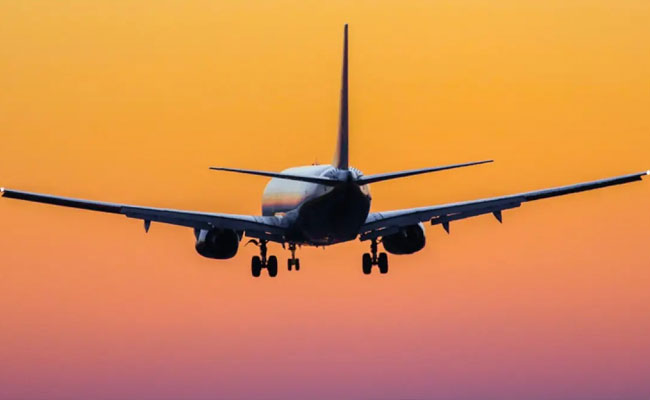
Caracas (Venezuela) (AP): The first direct commercial flight between the United States and Venezuela is scheduled to land on Thursday in the Venezuelan capital, Caracas, seven years after the US Department of Homeland Security ordered an indefinite suspension, citing security concerns.
The resumption of a commercial flight between the two countries comes in the wake of the US capture of Nicolás Maduro in a stunning nighttime raid on his residence in Caracas, Venezuela's capital, in early January.
It also comes a month after the US formally reopened its embassy in Caracas following the restoration of full diplomatic relations with the South American country.
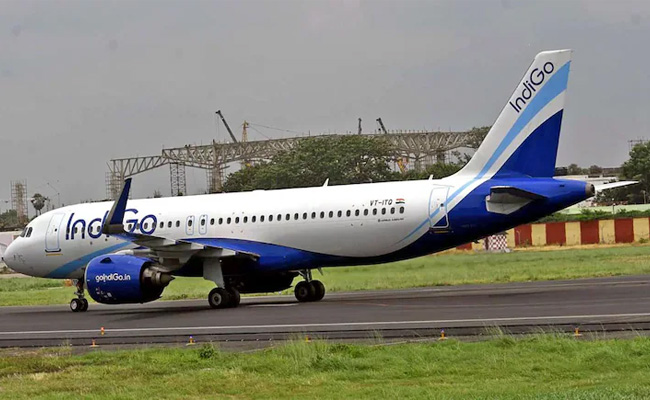
Flight AA3599 operated by Envoy Air, a subsidiary of American Airlines, was scheduled to depart from Miami at 10:16 a.m. local time and arrive three hours later in the Venezuelan capital, returning to Florida later in the afternoon.
Earlier, the airline said a second daily flight between Miami and Caracas will start on May 21.
In late January, US President Donald Trump said he informed Venezuela's acting President Delcy Rodríguez that he would open up all commercial airspace over Venezuela, allowing Americans to visit.
“American citizens will be very shortly able to go to Venezuela, and they'll be safe there,” Trump said at the time.
The flights mark the resumption of nonstop travel between the US and Venezuela for the first time since diplomatic ties were severed in 2019. For the past seven years, passengers have relied on international airlines and indirect routes through neighbouring Latin American countries.
In January, when the airline announced the resumption of flights it said it would give customers the opportunity to reunite with families and pursue new business opportunities.
American Airlines was the last US airline flying to Venezuela. It suspended flights in 2019 between Miami and Caracas, as well as flights to the oil hub city of Maracaibo. Delta and United Airlines pulled out in 2017 amid a political crisis that forced millions to flee the country.