‘No Ramzan without Ram’: Hindus shower flowers outside Jaipur Eidgah in Eid gesture of unity
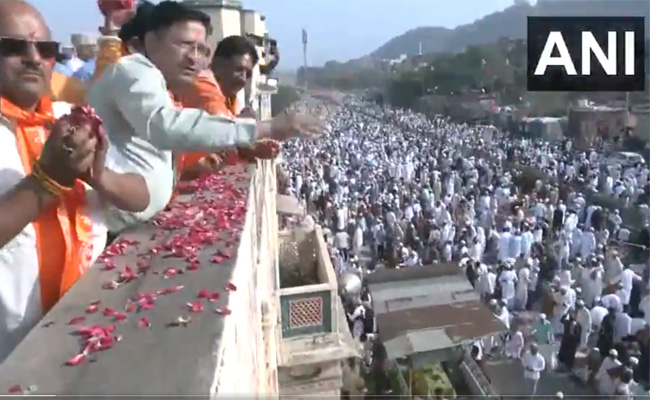
Jaipur: In a display of communal harmony, members of the Hindu community showered flowers on Muslims offering prayers at an Eidgah in Rajasthan’s capital during Eid celebrations, The Indian Express reported on Sunday.
The initiative was organised under the banner of the Hindu-Muslim Ekta Samiti, with the aim of promoting brotherhood and unity. Thousands of people had gathered at the Eidgah from early morning to offer prayers, with the atmosphere remaining peaceful and celebratory.
“Eid Mubarak to everyone. Festivals are about peace and harmony. This spirit should remain intact across India, including Rajasthan. Some people try to create divisions, but that is wrong. There is no Ramadan without Ram, and there is no Diwali without Eid. We are all one and belong to the same family,” TIE quoted Rajesh Kumar Sharma, a member of the Hindu-Muslim Ekta Samiti as saying.
Mufti Amjad, Imam of Jaipur’s Jama Masjid, welcomed the initiative. “Amid so much negative news, such gestures give people hope for a better world,” he said, highlighting the importance of unity between communities.
Such gestures of mutual respect have been seen during other festivals as well. Members of the Muslim community in Jaipur have also participated in Hindu festivals such as Ram Navami, Holi and Diwali by extending greetings and showering flowers, helping strengthen social harmony and trust in the city.
Let the Truth be known. If you read VB and like VB, please be a VB Supporter and Help us deliver the Truth to one and all.
Lebanon appoints new representative for talks with Israel, rejects linkage to Iran
Beirut: Lebanon’s has moved to underline its independent position in ongoing regional developments, amid attempts to link the country to the broader conflict involving Iran, the United States and Israel.
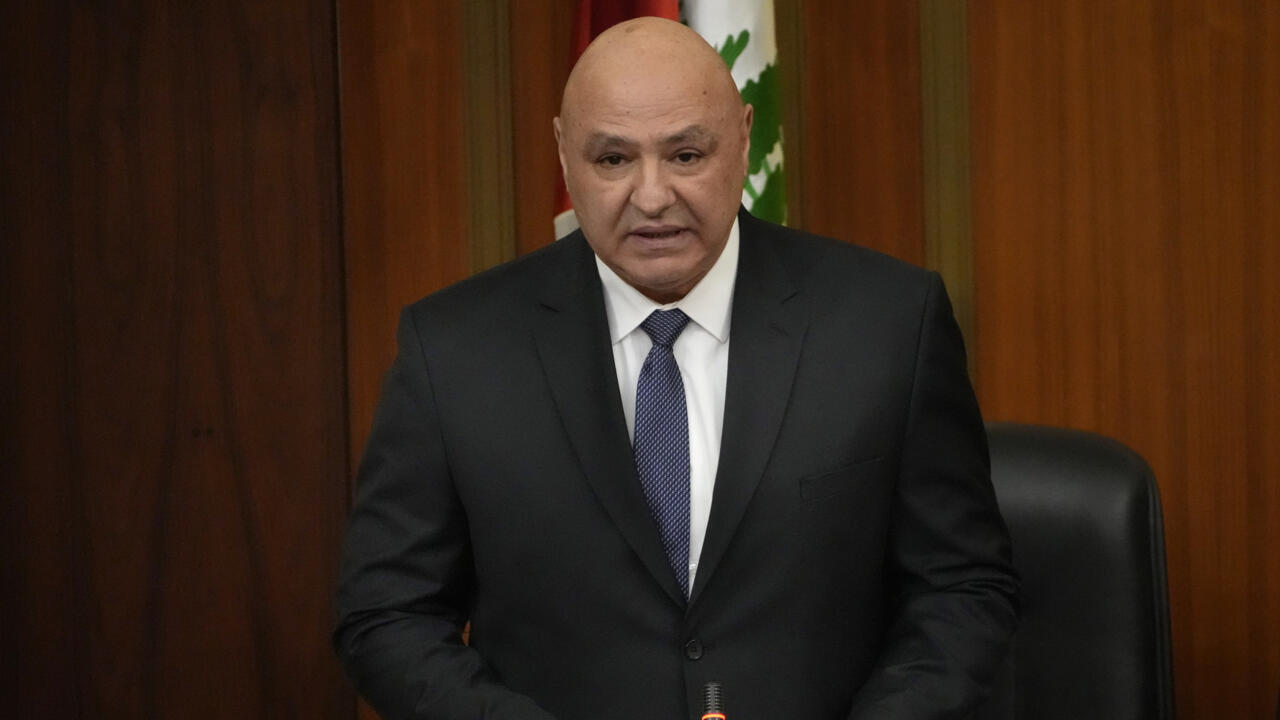
President Joseph Aoun, while announcing the appointment of former US ambassador Simon Karam as Lebanon’s representative in talks with Israel, made it clear that Karam would be the sole representative for Lebanon and that there would be no substitute.
The move comes in response to what the Lebanese officials see as efforts by Iran to tie Lebanon’s situation to the wider regional conflict. Iran had indicated that there would be no ceasefire involving the US, Israel and Iran unless it also included a ceasefire in Lebanon.
Some groups, including Hezbollah and its supporters, had expressed support for linking the situations, citing concerns that the Lebanese government has limited leverage in negotiations with Israel. Lebanon is not formally a party to the conflict, and its army is considered weak.
However, others, including Prime Minister Nawaf Salam, have opposed this approach. They view Iran’s stance as an attempt to influence Lebanon’s internal affairs and see it as undermining the country’s sovereignty.
Officials backing the government’s position say the move is aimed at reaffirming Lebanon’s sovereignty and ensuring that decisions about peace and ceasefire within the country are not dictated externally.
They also see it as a safeguard, so that any breakdown in talks between the US, Israel and Iran does not automatically lead to renewed conflict in Lebanon.