No 'sadhana' complete without self-discipline: UP CM Adityanath to kanwariyas
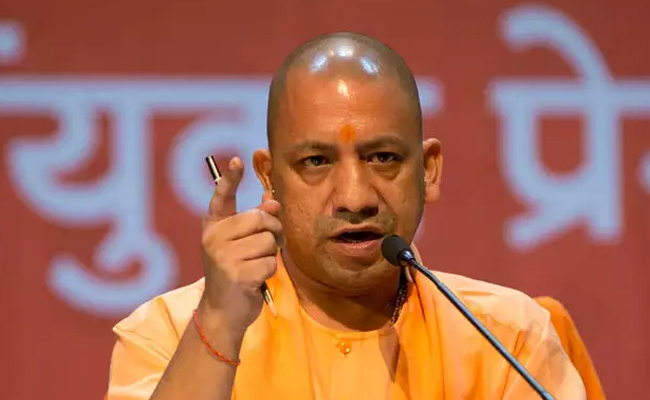
Lucknow (PTI): Uttar Pradesh Chief Minister Yogi Adityanath on Monday said comprehensive arrangements have been made in coordination with the Centre for Kanwar Yatra and emphasised the need for self-discipline among devotees for its smooth completion.
"The Kanwar Yatra during the Shravan month is renowned worldwide. During this period, Shiva devotees from across the country, including North India, engage deeply in the rituals of Mahadev, showing their devotion by performing 'jalabhishek' at Shiva temples," Adityanath said in a statement issued here.
He urged the devotees to not only enjoy the 'yatra' but also contribute in making it a success by practising self-discipline and maintaining faith.
"No festival, celebration, or 'sadhana' is complete without self-discipline. To ensure a smooth and safe journey, we must be devoted not only internally but also externally. 'Shivo Bhutva Shivam Yajet' (to worship Shiva, first become Shiva)," he said.
Although Adityanath did not elaborate, there have been a few stray incidents of violence involving kanwariyas since the yatra began.
Adityanath said the central and state governments have coordinated to provide comprehensive arrangements for a safe and orderly Kanwar Yatra.
Measures, including enhanced patrolling, cleanliness measures and health camps, have been put in place to prevent any problems, chaos, or playing with faith, the Uttar Pradesh chief minister said.
Provisions have been also made for surveillance and flower showers from drones and helicopters as needed, he added.
The Kanwar Yatra began on July 22 and ends on August 6.
A large number of devotees travel from various places with 'kanwars' carrying holy water from the Ganga to perform 'jalabhishek' of Shivlings during the Hindu calendar month of 'Shravan'. Many believers shun consuming meat during the month they consider holy. Many don't even consume meals containing onions and garlic.
Let the Truth be known. If you read VB and like VB, please be a VB Supporter and Help us deliver the Truth to one and all.
Centre launches national childhood diabetes screening, treatment framework
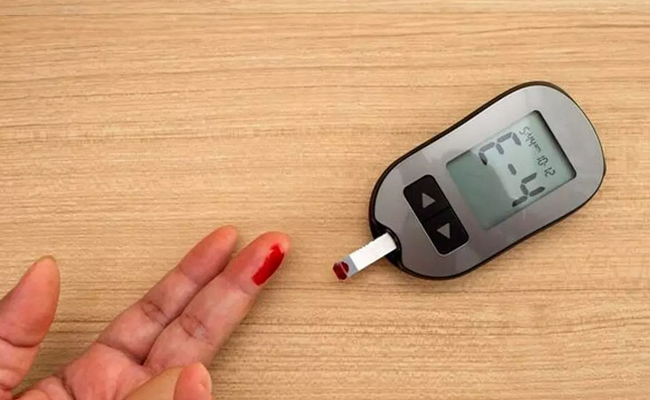
New Delhi (PTI): The Union Health Ministry on Sunday released a guidance document providing a framework for screening, diagnosis, treatment and long-term management of childhood diabetes.
According to the ministry, the document, for the first time, establishes a structured and standardised national framework, positioning India among a select group of countries that have integrated childhood diabetes care into the public health system.
The "Guidance Document on Diabetes Mellitus in Children" was released at the National Summit on Best Practices in Public Healthcare Service Delivery, concluded on May 1-2.
According to a statement by the ministry, the framework aims to ensure universal screening of all children from birth to 18 years through community and school-based platforms for early identification of diabetes.
Suspected cases will undergo immediate blood glucose testing and be referred to district-level health facilities for confirmatory diagnosis and treatment, it said.
A key feature of the initiative is the provision of a comprehensive free-of-cost care package at public health facilities, including screening, diagnostic services, lifelong insulin therapy, glucometers, test strips and regular follow-up care.
The initiative seeks to reduce the financial burden on families and ensure uninterrupted treatment for children diagnosed with diabetes.
The document also lays down an integrated continuum of care linking community-level screening with district hospital-based management and advanced care at medical colleges to ensure seamless follow-up and treatment.
To strengthen early detection, the guidance promotes the "4Ts" awareness framework -- Toilet, Thirsty, Tired and Thinner -- to help parents, teachers and caregivers recognise early warning signs of type 1 Diabetes.
Besides clinical protocols, the document focuses on family and caregiver empowerment through structured training on insulin administration, blood glucose monitoring, emergency response and daily disease management.
The statement stated the initiative is expected to reduce mortality through early detection, prevent complications and improve the quality of life of affected children while strengthening the public health system's capacity to manage non-communicable diseases among children.