Nobody can be forced to undergo COVID-19 vaccinations: Supreme Court
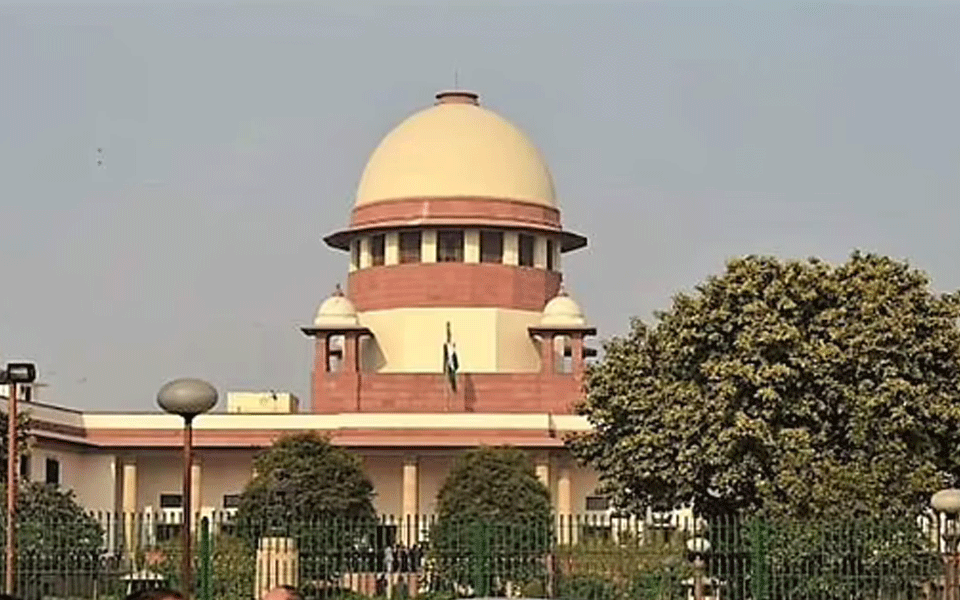
New Delhi (PTI): The Supreme Court on Monday said that no person can be forced to get vaccinated against COVID-19 and asked the Centre to make public the effect of such an immunisation.
A bench of Justices L Nageswara Rao and B R Gavai said bodily autonomy and integrity are protected under Article 21 of the Constitution.
The top court said the current COVID-19 vaccine policy cannot be said to be manifestly arbitrary and unreasonable.
"Till numbers are low, we suggest that relevant orders are followed and no restriction is imposed on unvaccinated individuals on access to public areas or recall the same if already not done," the bench said.
Regarding segregation of vaccine trial data, subject to privacy of individuals, all trials conducted and to be subsequently conducted, all data must be made available to the public without further delay, it said.
The apex court also directed the Union of India to publish reports on adverse events of vaccines from the public and doctors on a publicly accessible system without compromising data of individuals.
The court delivered the judgement on a plea filed by Jacob Puliyel seeking directions for disclosure of data on clinical trials of COVID-19 vaccines and post-jab cases.
Let the Truth be known. If you read VB and like VB, please be a VB Supporter and Help us deliver the Truth to one and all.
Congress using hijab issue to pacify minority anger, alleges Karnataka LoP R Ashoka
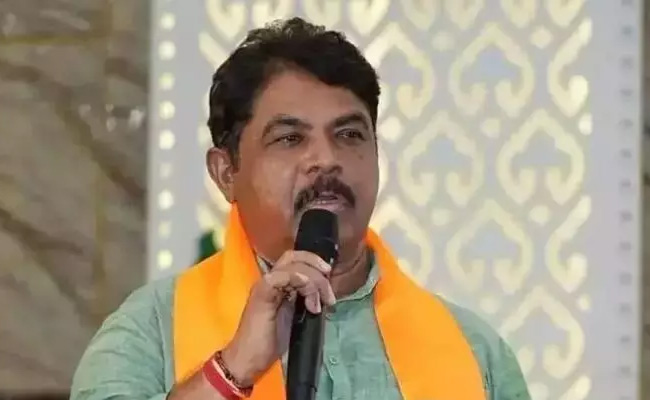
Bengaluru: Leader of Opposition in the Assembly R. Ashoka has accused the Congress government of using the hijab issue to placate what he described as discontent among minority voters after the Davanagere by-election.
In a post on X on Wednesday, Ashoka alleged that the state government, instead of addressing issues such as price rise, corruption, farmers’ distress and law and order, was attempting to retain its minority vote base by reviving the hijab issue.
Referring to the 2022 dress code introduced by the BJP government, which prohibited hijab in schools and colleges, Ashoka said the Karnataka High Court had upheld the policy and emphasised the importance of discipline in educational institutions.
He questioned the Congress government’s move to revisit the issue and asked whether setting aside the court-backed policy to benefit one community could be described as secularism.
Ashoka further alleged that while the government was willing to permit hijab, it continued to prohibit saffron shawls.
He accused the government of dividing students on religious lines rather than treating schools and colleges as spaces of equality.
Drawing a comparison with Mamata Banerjee’s government in West Bengal, Ashoka claimed that excessive appeasement politics had harmed the state and warned that the Congress in Karnataka could face a similar political response.
He said voters in Karnataka would teach the Congress a lesson for what he termed “vote-bank politics” and for compromising constitutional and judicial principles.