Non-Hindus must not be allowed to set up shops at Nashik Kumbh Mela: Maha minister Nitesh Rane
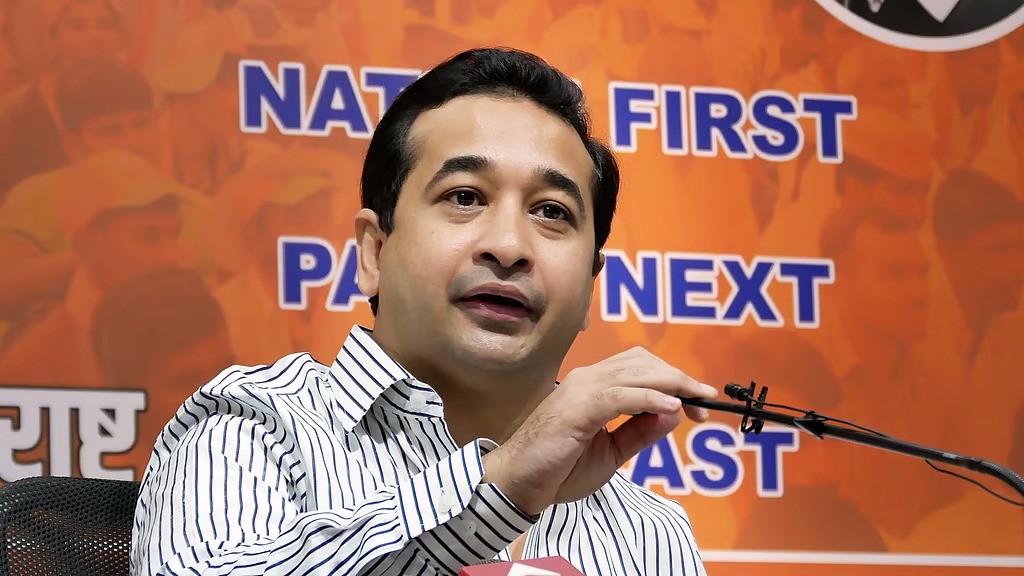
Nashik: Stoking another controversy, Maharashtra minister and Bharatiya Janata Party leader Nitesh Rane on Thursday demanded that non-Hindus should not be allowed to set up shops at the Simhastha Kumbh Mela in Nashik.
Speaking to reporters, Rane, who is also the state fisheries minister, said the Kumbh Mela is a "festival of faith" and asserted that those who do not follow Hindu beliefs should not profit from the mela. He added that the seers and the general public should be cautious and avoid entertaining such people during the fair.
"For those who consider us 'Kaafir,' why should we buy puja items from them? Only Hindu shops should be set up. This is our sentiment, and it reflects the sentiment of every Hindu community. There’s nothing wrong with that. During Eid and other such festivals, no one buys from Hindus because they consider us 'Kaafir [unbelievers]'..." the BJP leader remarked.
Rane, known for his anti-Muslim statements, also urged Hindus to be vigilant and prevent outsiders from setting up shops or businesses using "Hindu-sounding names."
The Nashik-Trimbakeshwar Simhastha, a Hindu religious congregation held every 12 years, will next be celebrated in October 2026. It is one of the four Kumbh Melas held across India.
Let the Truth be known. If you read VB and like VB, please be a VB Supporter and Help us deliver the Truth to one and all.
Lebanon appoints new representative for talks with Israel, rejects linkage to Iran
Beirut: Lebanon’s has moved to underline its independent position in ongoing regional developments, amid attempts to link the country to the broader conflict involving Iran, the United States and Israel.
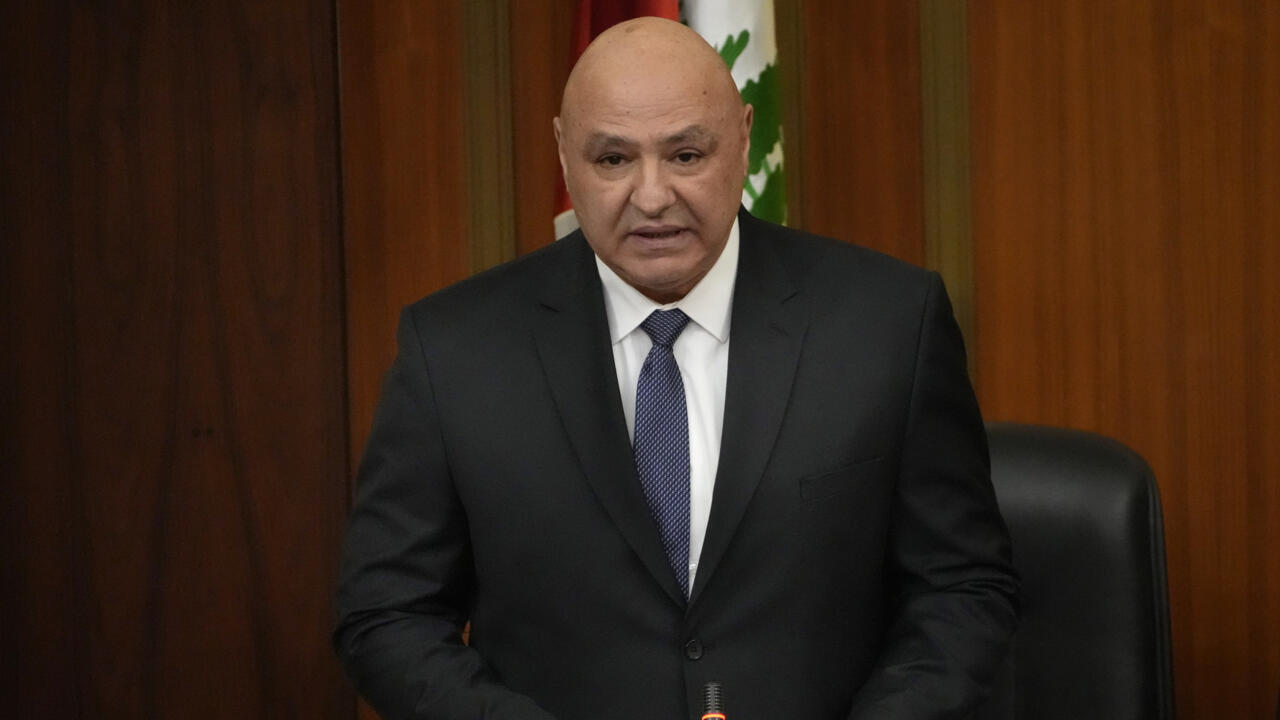
President Joseph Aoun, while announcing the appointment of former US ambassador Simon Karam as Lebanon’s representative in talks with Israel, made it clear that Karam would be the sole representative for Lebanon and that there would be no substitute.
The move comes in response to what the Lebanese officials see as efforts by Iran to tie Lebanon’s situation to the wider regional conflict. Iran had indicated that there would be no ceasefire involving the US, Israel and Iran unless it also included a ceasefire in Lebanon.
Some groups, including Hezbollah and its supporters, had expressed support for linking the situations, citing concerns that the Lebanese government has limited leverage in negotiations with Israel. Lebanon is not formally a party to the conflict, and its army is considered weak.
However, others, including Prime Minister Nawaf Salam, have opposed this approach. They view Iran’s stance as an attempt to influence Lebanon’s internal affairs and see it as undermining the country’s sovereignty.
Officials backing the government’s position say the move is aimed at reaffirming Lebanon’s sovereignty and ensuring that decisions about peace and ceasefire within the country are not dictated externally.
They also see it as a safeguard, so that any breakdown in talks between the US, Israel and Iran does not automatically lead to renewed conflict in Lebanon.