‘Not water, poison was distributed’: Rahul Gandhi targets BJP govt over Indore deaths
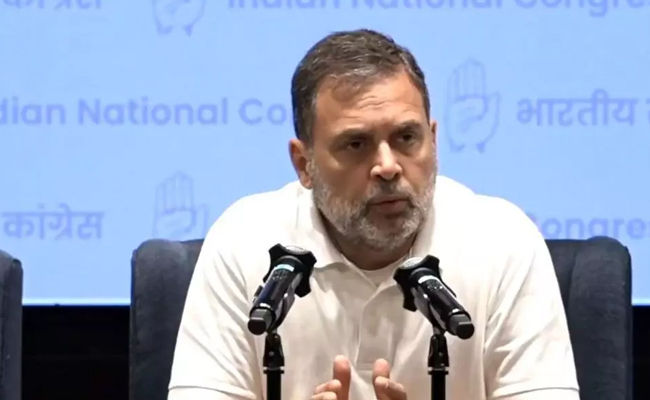
New Delhi: Congress leader Rahul Gandhi on Friday launched a sharp attack on the BJP-led Madhya Pradesh government over the contamination of drinking water in Indore, where at least ten people have died following a diarrhoea outbreak.
Rahul Gandhi said, "In Indore, there was no water, just poison being distributed, while the administration slumbered like Kumbhakarna." He alleged that the tragedy exposed administrative failure in a city that has repeatedly topped the Centre’s ‘cleanest city’ rankings.
"Mourning has spread from home to home, the poor are helpless, and to top it off, arrogant statements from BJP leaders. Those whose hearths have gone cold needed solace; the government served up hubris instead," he said in a post on X.
His remarks came amid controversy over comments made by Madhya Pradesh Parliamentary Affairs Minister Kailash Vijayvargiya, who had snapped at journalists when questioned about the deaths caused by contaminated water.
According to officials, the deaths were linked to a diarrhoea outbreak triggered by toxic substances in the drinking water supply. Laboratory tests conducted by a city-based medical college confirmed that sewage had leaked into the water pipeline near a newly constructed public toilet in the Bhagirathpura area.
Additional Chief Secretary Sanjay Dubey reportedly said, "We are closely examining the entire drinking water supply pipeline to find out if there is any leakage elsewhere." He said water supply had been restored but people had been urged to boil the water before drinking it.
Chief Minister Mohan Yadav visited Indore, met patients, and chaired a review meeting, promising that such a tragedy would not be repeated and that action would follow the investigation report.
So far, two Public Health Engineering Department officials have been suspended and one has been dismissed. A three-member committee has been constituted to probe the incident. The state government has announced compensation of ₹2 lakh for the families of those who lost their lives.
इंदौर में पानी नहीं, ज़हर बंटा और प्रशासन कुंभकर्णी नींद में रहा।
— Rahul Gandhi (@RahulGandhi) January 2, 2026
घर-घर मातम है, गरीब बेबस हैं - और ऊपर से BJP नेताओं के अहंकारी बयान। जिनके घरों में चूल्हा बुझा है, उन्हें सांत्वना चाहिए थी; सरकार ने घमंड परोस दिया।
लोगों ने बार-बार गंदे, बदबूदार पानी की शिकायत की - फिर भी…
Let the Truth be known. If you read VB and like VB, please be a VB Supporter and Help us deliver the Truth to one and all.
Centre launches national childhood diabetes screening, treatment framework
New Delhi (PTI): The Union Health Ministry on Sunday released a guidance document providing a framework for screening, diagnosis, treatment and long-term management of childhood diabetes.
According to the ministry, the document, for the first time, establishes a structured and standardised national framework, positioning India among a select group of countries that have integrated childhood diabetes care into the public health system.
The "Guidance Document on Diabetes Mellitus in Children" was released at the National Summit on Best Practices in Public Healthcare Service Delivery, concluded on May 1-2.
According to a statement by the ministry, the framework aims to ensure universal screening of all children from birth to 18 years through community and school-based platforms for early identification of diabetes.
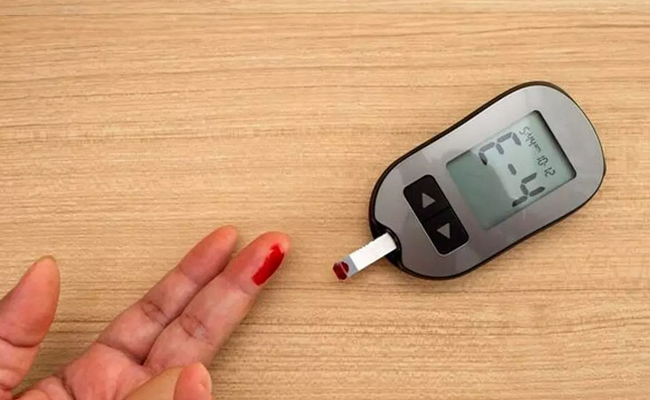
Suspected cases will undergo immediate blood glucose testing and be referred to district-level health facilities for confirmatory diagnosis and treatment, it said.
A key feature of the initiative is the provision of a comprehensive free-of-cost care package at public health facilities, including screening, diagnostic services, lifelong insulin therapy, glucometers, test strips and regular follow-up care.
The initiative seeks to reduce the financial burden on families and ensure uninterrupted treatment for children diagnosed with diabetes.
The document also lays down an integrated continuum of care linking community-level screening with district hospital-based management and advanced care at medical colleges to ensure seamless follow-up and treatment.
To strengthen early detection, the guidance promotes the "4Ts" awareness framework -- Toilet, Thirsty, Tired and Thinner -- to help parents, teachers and caregivers recognise early warning signs of type 1 Diabetes.
Besides clinical protocols, the document focuses on family and caregiver empowerment through structured training on insulin administration, blood glucose monitoring, emergency response and daily disease management.
The statement stated the initiative is expected to reduce mortality through early detection, prevent complications and improve the quality of life of affected children while strengthening the public health system's capacity to manage non-communicable diseases among children.