Now Delhi Police to have bicycle patrols for parks, narrow lanes
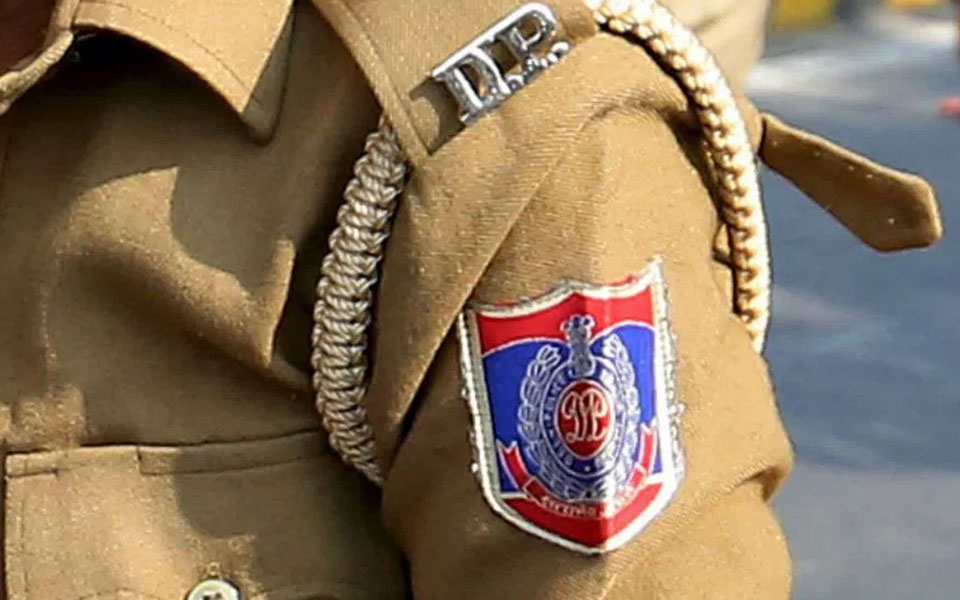
New Delhi, July 22 : With serious crimes being reported from parks and narrow lanes in national capital, the Delhi Police on Saturday came up with bicycle patrols for quick and effective surveillance of these and other congested areas.
According to police, the initiative was taken as a number of serious crimes such as rape, molestation and murder occurred in different parks and markets, and officials felt that bicycles could be most optimum mode of transport for spots which PCR vans and bikes cannot access easily.
"Such a proactive measures taken after analysis of crimes incidents like rape, molestation and even murder in parks and subsequently it was decided that the most approachable and effective commuting mode of transport for patrolling the area. The idea is to improve visibility and mobility to win trust of citizens and feel them safe in common public places," said Deputy Commissioner of Police, South, Romil Baaniya.
Citing a case of rape in an east Delhi park, he said that nine police stations in South District have number of parks where people of all age groups come from early morning to late evening.
"We have witnessed number of crimes like murder, rape and chain snatching in the past which taken place in parks and narrow lanes. Though these incidents did not take place in South Delhi District but still they are an eye-opener for us. Hence, the motive of bicycle patrolling to reach at every corner and prevent crime," Baaniya said.
Let the Truth be known. If you read VB and like VB, please be a VB Supporter and Help us deliver the Truth to one and all.
4 workers die after being buried under coal slurry in Jharkhand's Dhanbad
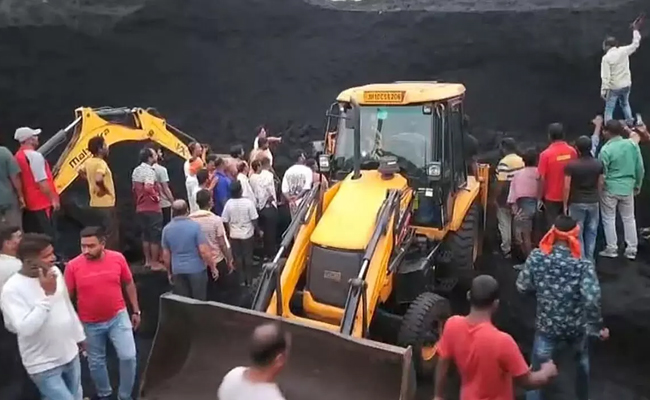
Dhanbad (Jharkhand) (PTI): At least four workers died after being buried under coal slurry in Jharkhand's Dhanbad district on Saturday, a police official said.
The incident took place at Moonidih coal washery in the command area of Bharat Coking Coal Limited (BCCL).
"Bodies of all four workers were dug out of debris during a rescue operation," Putki police station in-charge Waqar Hussain told PTI.
The incident took place when coal slurry was being loaded into trucks by workers, during which a large chunk of slurry fell and trapped several workers underneath, officials said.
The deceased have been identified as Manik Bauri, Dinesh Bauri, Deepak Bauri, and Hemlal Gope.
Meanwhile, the family members of the deceased and local villagers placed the bodies in front of the washery gate and began a protest.
They demanded compensation, jobs for dependents and action against those responsible for the incident.
Police and administration officials are trying to pacify the protesters, an official said.