NPP threatens to quit NDA if citizenship bill is passed in RS
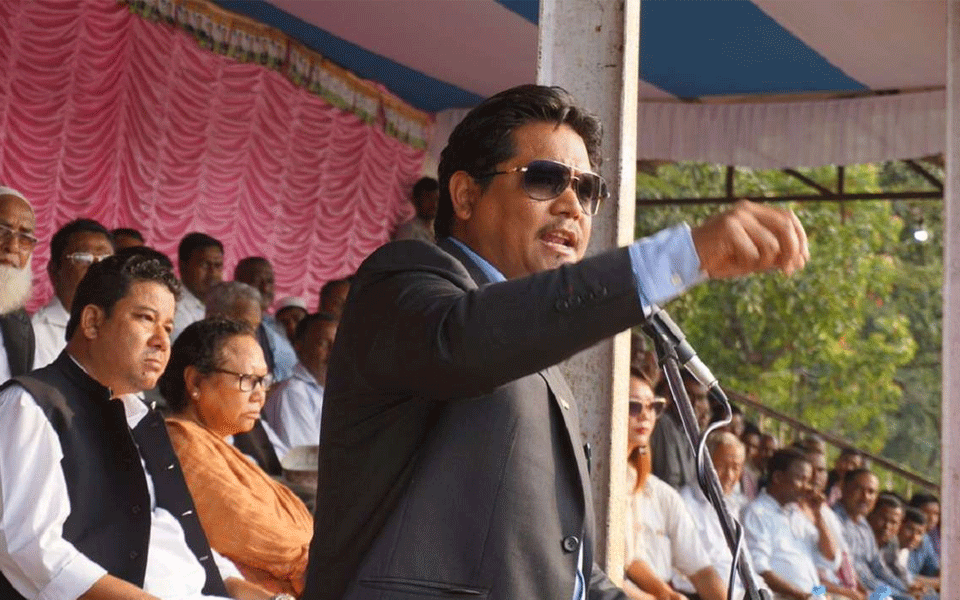
Shillong, Feb 9: Amid widespread protests in the Northeast over the contentious citizenship bill, National People's Party (NPP) president and Meghalaya Chief Minister Conrad K Sangma Saturday threatened that his party will quit the NDA if the proposed legislation is passed in Rajya Sabha.
The NPP, which is in power in Meghalaya and backs the governments in Arunachal Pradesh, Manipur and Nagaland, adopted a resolution to this effect at its general body convention here Saturday, he said.
The NPP leaders of all the four northeastern states were present at the meeting.
"The party took a unanimous resolution to oppose the Citizenship Amendment Bill, 2016 and based on that decision a resolution passed. If the bill is passed, the NPP will break its ties with the NDA," Sangma told mediapersons here after the meeting.
"This decision was taken today at the general body meeting," he added.
The bill was passed in Lok Sabha on January 8 and the government is expecting to get the Rajya Sabha nod in this session.
Let the Truth be known. If you read VB and like VB, please be a VB Supporter and Help us deliver the Truth to one and all.
Man arrested with Rs 2.54-crore heroin in Mumbai

Mumbai (PTI): Police have arrested a man and seized over 500 grams of heroin worth Rs 2.54 crore in the illicit market from him in Mumbai, officials said on Friday.
The police's Anti-Narcotics Cell (ANC) made the drug seizure in Santacruz in the western suburbs. The operation was conducted by the Kandivali unit of the ANC on Thursday as part of a special crackdown against drug trafficking in the area, they said.
Acting on specific inputs, an ANC team conducted a raid in Santacruz (East) and intercepted a man. During a search, the team recovered 508 grams of high-grade heroin from his possession, an official said.
The seized contraband, a highly addictive, opioid drug derived from morphine, is estimated to be worth Rs 2.54 crore in the international market, he informed.
Following the seizure, a case was registered against the man under relevant sections of the Narcotic Drugs and Psychotropic Substances (NDPS) Act, 1985, and he was formally placed under arrest in the early hours of Friday.
The police are currently investigating the source of the drug and trying to identify the intended recipients of the consignment, he said.