Odisha: BJD suspends 6 MLAs for cross-voting in RS polls
_vb_52.jpeg)
Bhubaneswar (PTI): The Biju Janata Dal on Saturday suspended six of its MLAs for cross-voting during the recent election to four Rajya Sabha seats from Odisha.
The suspended legislators were Chakramani Kanhar of Baliguda seat, Naba Kishor Mallick of Jayadev constituency, Souvic Biswal of Choudwar-Cuttack, Subasini Jena of Basta, Ramakanta Bhoi of Tirtol and Devi Ranjan Tripathy of Banki, an order by party chief Naveen Patnaik showed.
The suspension decision was taken at the opposition party's Political Affairs Committee (PAC) meeting presided over by Patnaik.
The six MLAs were issued a show-cause notice on March 17.
They submitted their replies on Friday evening, and those were found not satisfactory, said the BJD's chief whip in the Assembly, Pramila Mallik.
The ruling BJP won two of the four Rajya Sabha seats while the opposition BJD and a saffron party-backed Independent candidate bagged one seat each in the biennial polls held last Monday.
While the total number of BJP legislators and Independent MLAs supporting the ruling party was 82 in the 147-member House, the saffron party candidates secured 93 first preference votes, which was 11 more than its strength in the Assembly.
Of these 11 votes, eight were of BJD MLAs and three of Congress legislators, an official had said.
Let the Truth be known. If you read VB and like VB, please be a VB Supporter and Help us deliver the Truth to one and all.
Lebanon appoints new representative for talks with Israel, rejects linkage to Iran
Beirut: Lebanon’s has moved to underline its independent position in ongoing regional developments, amid attempts to link the country to the broader conflict involving Iran, the United States and Israel.
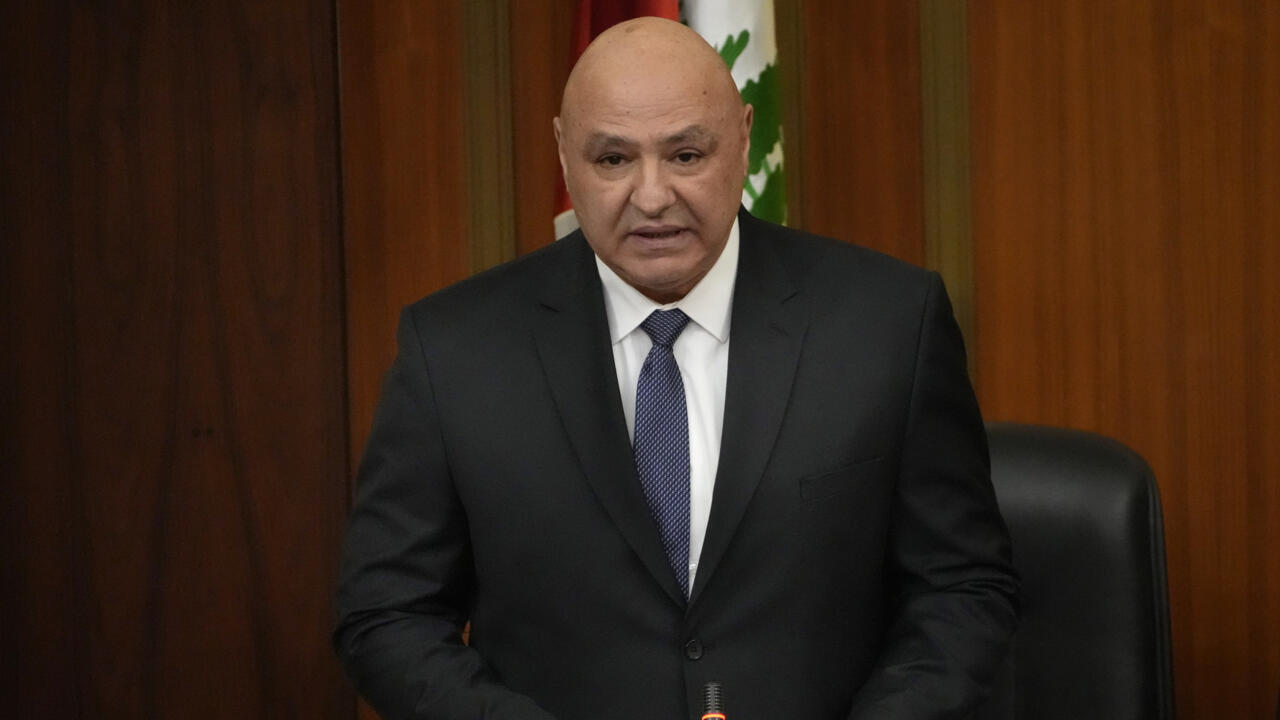
President Joseph Aoun, while announcing the appointment of former US ambassador Simon Karam as Lebanon’s representative in talks with Israel, made it clear that Karam would be the sole representative for Lebanon and that there would be no substitute.
The move comes in response to what the Lebanese officials see as efforts by Iran to tie Lebanon’s situation to the wider regional conflict. Iran had indicated that there would be no ceasefire involving the US, Israel and Iran unless it also included a ceasefire in Lebanon.
Some groups, including Hezbollah and its supporters, had expressed support for linking the situations, citing concerns that the Lebanese government has limited leverage in negotiations with Israel. Lebanon is not formally a party to the conflict, and its army is considered weak.
However, others, including Prime Minister Nawaf Salam, have opposed this approach. They view Iran’s stance as an attempt to influence Lebanon’s internal affairs and see it as undermining the country’s sovereignty.
Officials backing the government’s position say the move is aimed at reaffirming Lebanon’s sovereignty and ensuring that decisions about peace and ceasefire within the country are not dictated externally.
They also see it as a safeguard, so that any breakdown in talks between the US, Israel and Iran does not automatically lead to renewed conflict in Lebanon.