Odisha CM backs PM's call for simultaneous polls in country
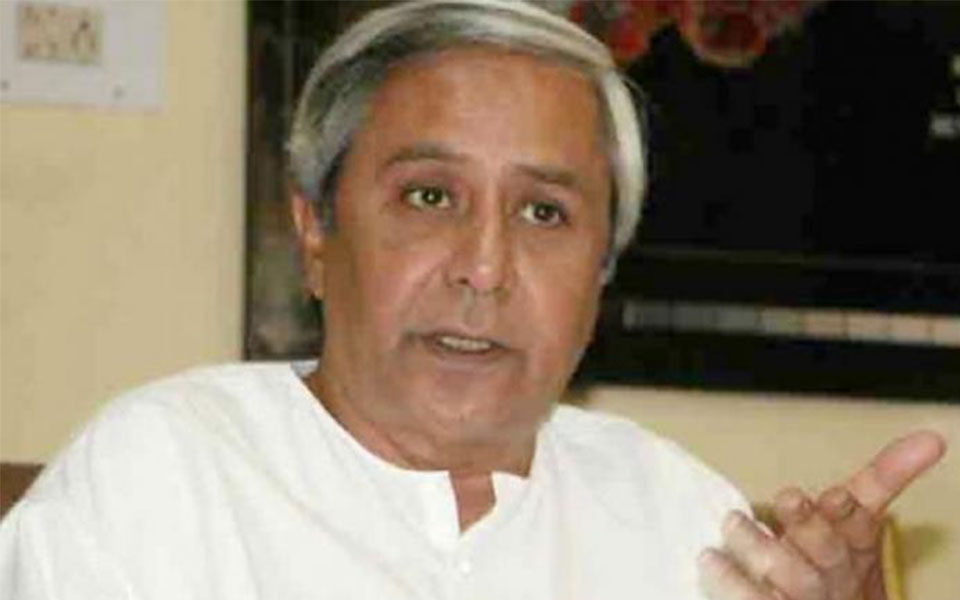
Bhubaneswar, June 26: Odisha Chief Minister Naveen Patnaik on Tuesday supported Prime Minister Narendra Modi's call for holding simultaneous parliamentary and assembly elections in the country.
"Elections are essential in democracy. We are elected to work for the people. When elections are held throughout the year, it affects the development works. Therefore, we support the suggestion of the Prime Minister for simultaneous elections. This will serve the country well," said the Chief Minister.
The Prime Minister had urged all parties to consider this suggestion of holding simultaneous polls by rising above political considerations.
Modi cited various reasons, including huge expenditure, utilisation of government staff and disruption of education, in the conduct of separate polls.
Odisha will face both general and assembly polls in 2019.
Law Commission Chairman Justice B.S. Chauhan has invited Patnaik, who is also President of the Biju Janata Dal (BJD), to attend a meeting on July 7-8 in Delhi to share valuable thoughts and suggestions on holding simultaneous Lok Sabha and Assembly polls in the country.
"I will request you to kindly participate in the interaction and share your valuable thoughts and suggestions, which could enable us in weighing the pros and cons of the subject," said Chauhan.
Sources said BJD MP Pinaki Mishra will attend the meeting.
Let the Truth be known. If you read VB and like VB, please be a VB Supporter and Help us deliver the Truth to one and all.
AIITA welcomes Karnataka’s ban on obscene songs in school events
Bhatkal: The Karnataka unit of the All India Ideal Teachers Association (AIITA) has welcomed the Karnataka government’s decision to strictly ban school children from dancing to obscene songs during educational and cultural programmes in government, aided, and private schools across the state.
AIITA Karnataka State President M. R. Manvi congratulated the government for taking what he termed an important step to preserve the sanctity of education.
“Such decisions to safeguard the dignity of school children and uphold the values of education are the need of the hour. This rule should not be limited to government schools alone but must be strictly implemented in all private educational institutions as well,” he said.
He further urged the government to address other concerns within school programmes.
“The government should not only prohibit obscene dances in the name of school anniversaries, but also ensure that plays and dialogues that incite religious hatred are avoided. Schools should be centres of harmony, not platforms for spreading hatred,” he added.
According to a recent circular issued by the Department of School Education and Literacy, obscene dances are adversely affecting the mental health and moral values of students.
In this regard, schools have been advised to use songs that promote nationalism, positive thinking, the greatness of Kannada culture, and value-based traditions instead of inappropriate content during programmes.
The circular also emphasises that students should be dressed in decent attire.
AIITA also backed the department’s warning that disciplinary action would be taken against head teachers if such guidelines are violated. The association has further demanded that district Deputy Directors of Public Instruction strictly monitor the implementation of these rules.