One dead, 2 critical after knife attack over dispute on social media posts; minor among 2 held

Beed (PTI): A 23-year-old man was killed and two others suffered grievous injuries after being attacked with a sharp knife over a dispute linked to social media posts in Beed district of Maharashtra, police said on Tuesday.
The incident took place at Ruinalkol in Ashti tehsil on Monday night, the police said, adding that two accused, including a minor, have been held.
Deepak Nalkol died in the incident, while Balu Khodke and Shashikant Lambade are currently battling for their lives at a private hospital in Ahilyanagar district, according to the police.
"When a palanquin procession of Lord Mahadev was underway on Monday night on the occasion of Mahashivratri, accused Nilesh Gujar (25) and a minor confronted the victims in front of a school. The confrontation was triggered by a long-standing grudge over provocative stories and status updates posted by them against each other on Instagram and WhatsApp," an official said.
During the heated argument, Gujar stabbed Nalkol in the back with a sharp knife. Simultaneously, the minor launched a brutal attack on Khodke and Lambade. While Nalkol succumbed to his injuries on the way to a hospital, the other two victims are in a critical condition, he said.
Following a complaint lodged by the deceased's brother, the Ashti police registered a case of murder and attempted murder.
The two accused have been taken into custody, inspector Sharad Bhutekar of Ashti police station said.
Let the Truth be known. If you read VB and like VB, please be a VB Supporter and Help us deliver the Truth to one and all.
Rahul Gandhi calls Great Nicobar Island project a ‘major threat’ to environment, tribal heritage
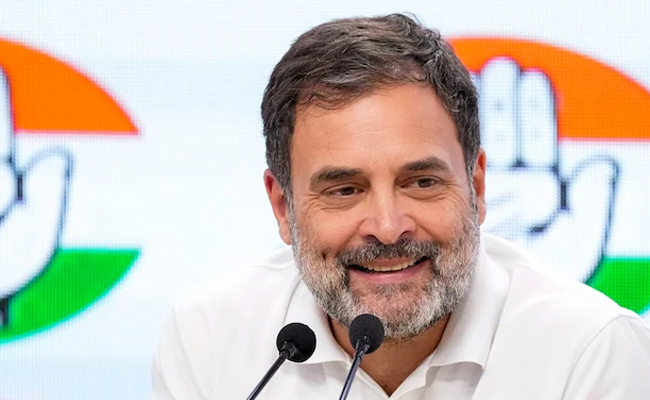
Sri Vijaypuram (Port Blair)/ Nicobar: Congress leader Rahul Gandhi criticised the Centre’s development initiative in Great Nicobar Island on Wednesday, On his maiden visit to the Andaman and Nicobar Islands, Gandhi alleged that the project will lad to large-scale environmental degradation and displacement of local communities.
The Rae Bareli MP, in a post on X after visiting the island, said the project would lead to extensive deforestation and adversely impact indigenous populations.
“So I will say it plainly, and I will keep saying it: what is being done in Great Nicobar is one of the biggest scams and gravest crimes against this country’s natural and tribal heritage in our lifetime,” Gandhi added.
“The government calls what it is doing here a ‘Project’. What I have seen is not a project. It is millions of trees marked for the axe… It is communities that have been ignored while their homes have been snatched away,” Gandhi said.
Describing the initiative as “destruction dressed in development’s language”, he termed it one of the “biggest scams” against the country’s natural and tribal heritage and called for it to be stopped.
Gandhi also claimed that nearly 160 square kilometres of rainforest could be affected, raising concerns over ecological damage.