One in four people experience mild side effects from Covishield COVID-19 vaccine: Lancet study
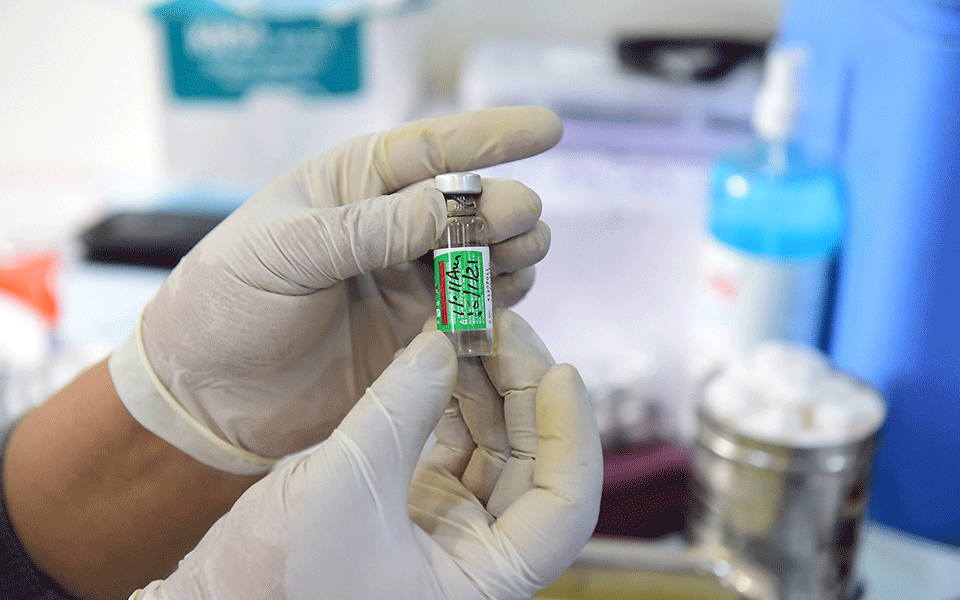
New Delhi: One in four people experience mild, short lived systemic side effects after receiving either the COVID-19 preventive by Pfizer or AstraZeneca vaccine -- known as Covishield in India -- with headache, fatigue and tenderness the most common symptoms, according to a study published in the Lancet Infectious Diseases journal.
The researchers from King's College London in the UK also found that most systemic side effects -- meaning side effects excluding where the injection took place -- peaked within the first 24 hours following vaccination and usually lasted 1-2 days.
The analysis of data from the ZOE COVID Symptom Study app found much fewer side effects in the general population with both the Pfizer and AstraZeneca vaccines than reported in trials.
The study also reports a significant decrease of infection rates from 12 to 21 days after the first dose of the Pfizer (58 per cent reduction) and AstraZeneca (39 per cent reduction) vaccines compared to a control group.
The drop in infection at least 21 days after the first dose for Pfizer is 69 per cent and for AstraZeneca 60 per cent, according to the study.
Systemic effects included headache, fatigue, chills and shiver, diarrhoea, fever, arthralgia, myalgia, and nausea.
Local side effects -- meaning side effects where the injection took place in the arm -- included pain at the site of injection, swelling, tenderness, redness, itch, warmth and swollen armpit glands.
"The data should reassure many people that in the real world, after effects of the vaccine are usually mild and short-lived, especially in the over 50's who are most at risk of the infection," said Professor Tim Spector, lead scientist on the ZOE COVID Symptom Study app and Professor at King's College London.
The data comes from 627,383 users of the ZOE COVID Symptom Study app who self-reported systemic and local effects within eight days of receiving one or two doses of the Pfizer vaccine or one dose of the AstraZeneca vaccine between December 8 and March 10.
The study also found that side effects were more common among people under 55 years of age and among women.
Participants who had a confirmed case of prior COVID-19 were three times more likely to have side effects that affect the whole body after receiving doses of the Pfizer vaccine than those without known infection.
Those with a confirmed case of prior COVID-19 number were almost twice more likely to have side effects that affect the whole body after the first dose of the AstraZeneca vaccine.
People with prior known COVID-19 infection were also more likely to experience local side effects, the researchers said.
The researchers noted that in Phase III clinical trials of the Pfizer vaccine, the most common side effects were pain at the injection site (71-83 per cent), fatigue (34-47 per cent) and headache (25-42 per cent).
However, the real-world analysis found less than 30 per cent of users complained of injection site pain and less than 10 per cent of fatigue and headache after the first dose, they said.
Similarly, in Phase III trials for the AstraZeneca vaccine, systemic side effects were found in 88 per cent of younger participants (18-55 years) after the first dose but the study found a significantly lower rate of 46.2 per cent after the first dose.
"Our results support the after effects safety of both vaccines with fewer side effects in the general population than reported in the Pfizer and AstraZeneca experimental trials and should help allay safety concerns of people willing to get vaccinated," Spector added.
Let the Truth be known. If you read VB and like VB, please be a VB Supporter and Help us deliver the Truth to one and all.
SP has ended contract with I-PAC due to fund constraints: Akhilesh Yadav
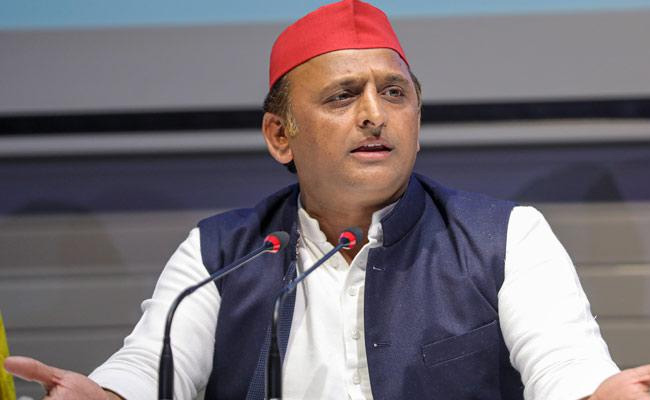
Lucknow (PTI): Samajwadi Party president Akhilesh Yadav on Wednesday said his party has severed its association with the Indian Political Action Committee (I-PAC) due to a lack of funds.
He dismissed speculations that the termination of contract was because of recent election results.
Addressing a press conference here, Yadav said the party had engaged I-PAC for a brief period ahead of the 2027 Uttar Pradesh Assembly elections but could not continue the arrangement.
"Yes, we had an association. They worked with us for a few months, but we are not able to continue because we do not have that kind of funding," he said.
The I-PAC is a political consultancy firm known for managing major election campaigns across the country.
Election strategist-turned-politician Prashant Kishor has also been associated with the organisation in the past and has worked with multiple parties, including the BJP and the Congress.
In a lighter vein, Yadav took a swipe at the ecosystem of political consultancies. "We thought that if we have to work with a 'winning agency', then there are several big companies."
He said that some people suggested conducting surveys, hiring another firm, keeping a social media company, and even engaging agencies for negative campaigning against other parties.
"There are one or two more companies whose names are not yet known. I can get those for you as well," Yadav said.
Yadav rejected the suggestion that the decision to end the deal was influenced by recent election outcomes in states such as West Bengal.
"There is no such thing. Do not ask questions based on baseless reports. That is not true," he said.
"This is not the reason for ending the agreement. We simply do not have enough funds. If you (the media) give us funds, we can hire another company," the former Uttar Pradesh chief minister said.