Only 15 billionaires run India, claims Trump-era trade chief Lighthizer
Indian friend told him just 7 truly control government, rest only try to influence them
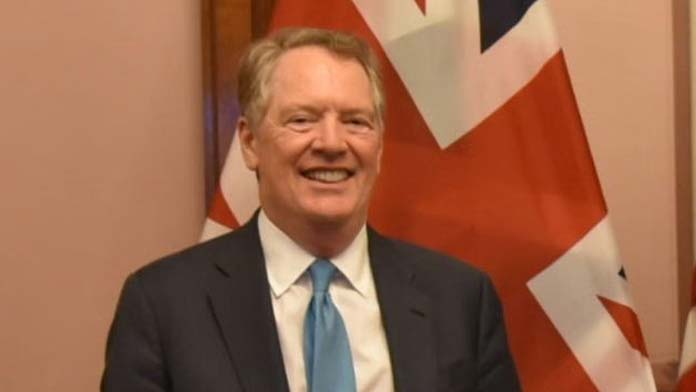
New Delhi: Former US Trade Representative Robert Lighthizer, who spearheaded Donald Trump’s trade negotiations with India, has claimed that the Indian government operates under the influence of a handful of powerful billionaires.
In his 2023 memoir No Trade Is Free, Lighthizer revealed that during negotiations, he kept biographies of about 15 Indian billionaires on his desk to predict the government's stance. “I thought there were fifteen oligarchs who basically ran the country,” he wrote, adding that an Indian business friend corrected him: “Only about seven of them actually run the country. The others just try to influence the seven.”
Lighthizer’s statement offers a striking endorsement of a long-standing allegation by India’s Opposition, that the Modi government is heavily influenced by elite business interests.
Although he did not name the billionaires, the reference is widely interpreted to include industrialists like Mukesh Ambani and Gautam Adani, who are often accused by critics of enjoying privileged access to the government.
Lighthizer, who served under Trump from 2017 to 2021, described these billionaires as "oligarchs" and called their sway over government "unusual." His comments offer a rare glimpse into how the Trump administration viewed India, not just as a trade partner, but as a system steered by economic elites.
He added that India’s bureaucracy is professionally strong, but policymaking is still often aligned with the priorities of this billionaire class. These views come at a time when Donald Trump has again threatened steep tariffs on Indian exports and accused India of reselling Russian oil for profit.
Let the Truth be known. If you read VB and like VB, please be a VB Supporter and Help us deliver the Truth to one and all.
Sakleshpur: Man on way to his pre-wedding shoot dies on spot as car hits tree
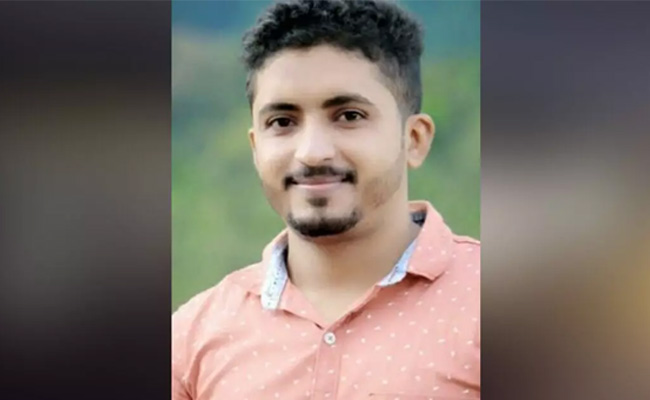
Sakleshpur: In a tragic incident reported from the taluk, a 28-year-old man who was on the way to his pre-wedding shoot died as his car rammed into a roadside tree.
The deceased groom, identified as Manu LN, was a resident of Darbarpet in Lakkunda village, Belur taluk, and was to get married on May 10.
Manu was traveling in his car to get his bride for the shoot when he lost control over the car near Moogali of Sakleshpur taluk and the vehicle hit a tree beside the road.
Manu is learned to have died on the spot due to the impact of the collision.