Opposition Parties Form ‘INDIA’ to challenge NDA in 2024 Elections
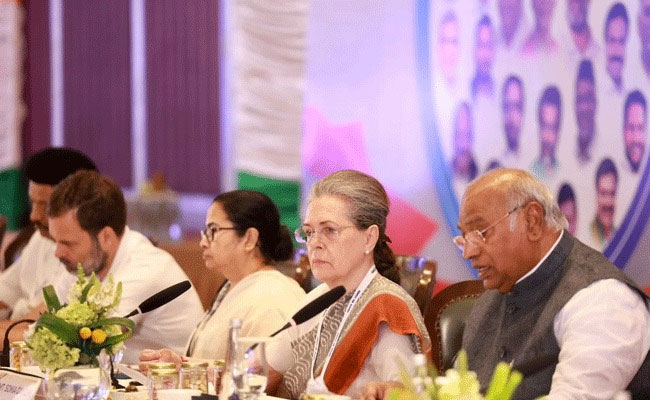
Bengaluru: In a significant move, 26 opposition parties gathered in Bengaluru and decided to unite under the banner of the Indian National Developmental Inclusive Alliance (INDIA) for the upcoming 2024 general elections. The decision sets the stage for a "Modi versus INDIA" battle, with the opposition aiming to challenge the ruling Bharatiya Janata Party (BJP).
Following the crucial meeting held in Bengaluru, Congress chief M. Kharge announced that the next gathering of the opposition alliance would take place in Mumbai. The alliance aims to counter the BJP's alleged attempts to undermine democracy and constitutional principles by utilizing autonomous bodies such as the Central Bureau of Investigation (CBI) and the Enforcement Directorate (ED) against opposition leaders and workers.
Expressing concern over the current situation, M. Kharge stated, "The BJP wants to destroy democracy and the Constitution by misusing these institutions. This poses a grave threat. We have come together to address this situation and work towards saving the country and its people."
Let the Truth be known. If you read VB and like VB, please be a VB Supporter and Help us deliver the Truth to one and all.
Lebanon appoints new representative for talks with Israel, rejects linkage to Iran
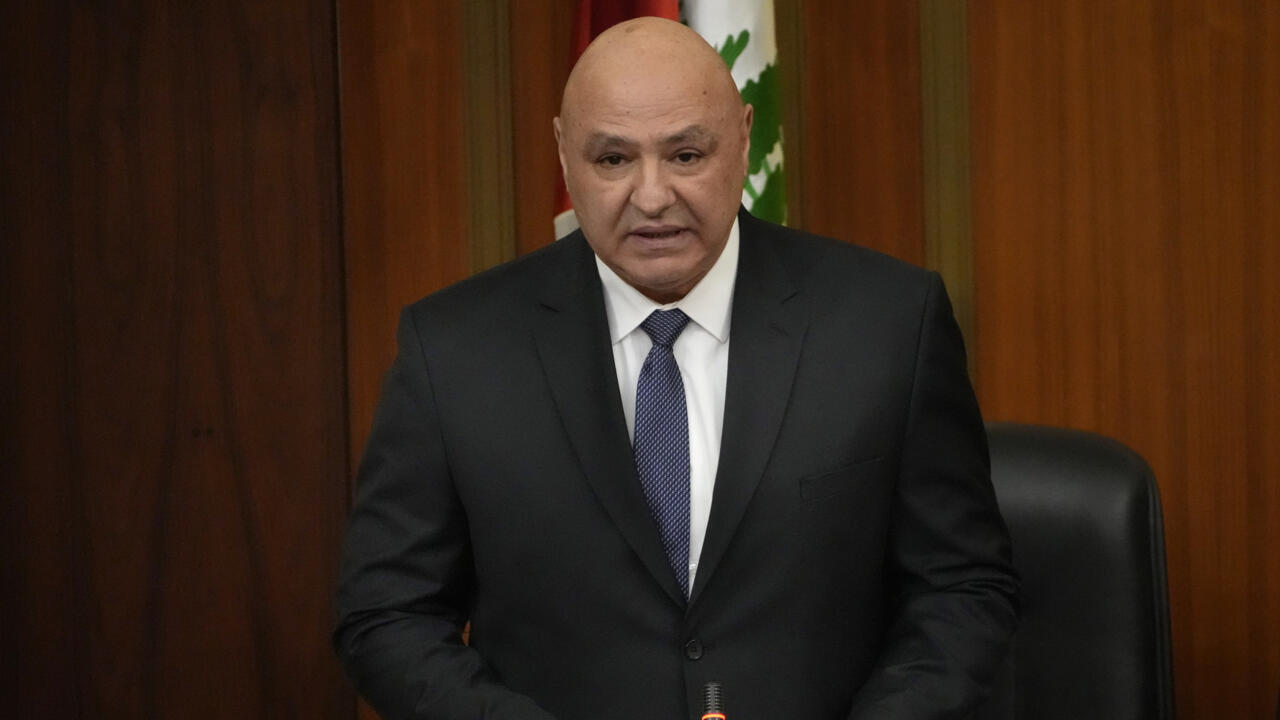
Beirut: Lebanon’s has moved to underline its independent position in ongoing regional developments, amid attempts to link the country to the broader conflict involving Iran, the United States and Israel.
President Joseph Aoun, while announcing the appointment of former US ambassador Simon Karam as Lebanon’s representative in talks with Israel, made it clear that Karam would be the sole representative for Lebanon and that there would be no substitute.
The move comes in response to what the Lebanese officials see as efforts by Iran to tie Lebanon’s situation to the wider regional conflict. Iran had indicated that there would be no ceasefire involving the US, Israel and Iran unless it also included a ceasefire in Lebanon.
Some groups, including Hezbollah and its supporters, had expressed support for linking the situations, citing concerns that the Lebanese government has limited leverage in negotiations with Israel. Lebanon is not formally a party to the conflict, and its army is considered weak.
However, others, including Prime Minister Nawaf Salam, have opposed this approach. They view Iran’s stance as an attempt to influence Lebanon’s internal affairs and see it as undermining the country’s sovereignty.
Officials backing the government’s position say the move is aimed at reaffirming Lebanon’s sovereignty and ensuring that decisions about peace and ceasefire within the country are not dictated externally.
They also see it as a safeguard, so that any breakdown in talks between the US, Israel and Iran does not automatically lead to renewed conflict in Lebanon.