Over 85 hospitalised in three UP districts after eating items prepared with 'kuttu ka atta'
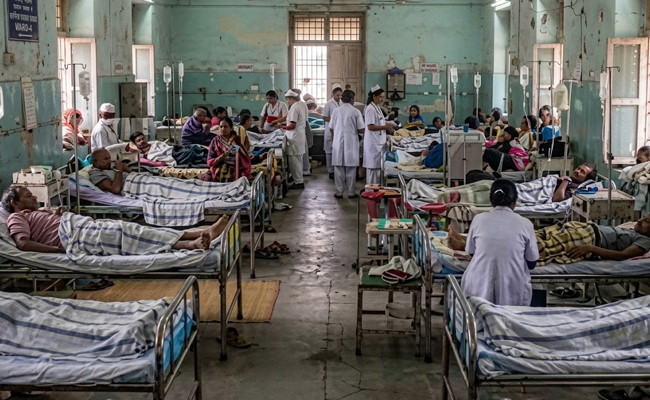
Baghpat/Bijnor/Bulandshahr (UP) (PTI): Nearly 85 people including an additional district magistrate fell ill after consuming 'kuttu ka atta' (buckwheat flour) -- typically consumed during fasting rituals -- in Baghpat, Bijnor and Bulandshahr districts of Uttar Pradesh, officials said on Friday.
All affected individuals have been hospitalised, they said.
More than three dozen people fell ill after consuming buckwheat flour in various areas of Bulandshahr. All have been admitted to the district hospital, and their health is showing signs of improvement, an administrative official said on Friday.
Sadar Sub-Divisional Magistrate (SDM) Dinesh Chandra said during Navratri, devotees observe a fast and consume 'falahaar' (light fruit-based meals without food grains) prepared using buckwheat flour.
A total of 39 individuals were admitted to the hospital and are currently undergoing treatment.
The SDM and the circle officer (CO) of police have met the patients and spoken with their family members.
The SDM said all the patients are now in good health. Their condition is gradually improving.
These individuals hail from various parts of the city. They informed officials that they had purchased the buckwheat flour from different locations, rather than from a single source, the SDM said.
He added that samples have been collected for testing, and further action will be initiated based on the results of the investigation.
In Baghpat district, more than 18 people including Additional District Magistrate (Judicial) Shiv Narayan Singh suffered from food poisoning after eating meals prepared with buckwheat flour during the Navratri.
According to officials, on Thursday evening, Shiv Narayan Singh, his associate Satish Kashyap, and several others consumed dishes made from buckwheat flour. Shortly afterwards, they began experiencing symptoms such as vomiting, restlessness, and discomfort. As their condition deteriorated, they were all rushed to a hospital.
Nine members of a family from Kasimpur Khedi village, six people from Malakpur village, and two from Bawli village, also fell ill following consumption of items prepared with buckwheat flour and required medical attention.
The incidents have caused a stir within the health and food safety departments, and joint teams have initiated a probe into the cases.
Deputy Commissioner, Food Safety Department, DP Singh said efforts are underway to trace the source of the buckwheat flour.
He further said strict action would be taken against the shopkeeper who sold the flour. Additionally, samples are being collected from suspicious establishments for laboratory testing.
He emphasised that the sale of adulterated buckwheat flour in the market would not be tolerated under any circumstances. Currently, the condition of all patients is said to be stable. The administration has appealed to the public to consume only reliable and pre-packaged food products.
Meanwhile, in Bijnor district, around 30 people suffered symptoms such as vomiting and diarrhea after consuming buckwheat flour on Thursday -- the first day of Navratri.
Chief Medical Officer (CMO) Dr Kaushlendra Singh said approximately 30 people across Sikroda, Lahak Kala, Mohanpur, and Khairullapur (located in Mandawali and Najibabad), began vomiting on Thursday evening after consuming buckwheat flour preparations.
He said the majority of the affected persons were admitted to Samipur Hospital in Najibabad. Some patients also sought treatment at private hospitals.
The CMO said the situation is now under control.
The food department will collect samples from the shop in Najibabad that sold the buckwheat flour; following examination of these samples, appropriate action will be taken in accordance with regulations, officials said.
Let the Truth be known. If you read VB and like VB, please be a VB Supporter and Help us deliver the Truth to one and all.
Lebanon appoints new representative for talks with Israel, rejects linkage to Iran
Beirut: Lebanon’s has moved to underline its independent position in ongoing regional developments, amid attempts to link the country to the broader conflict involving Iran, the United States and Israel.
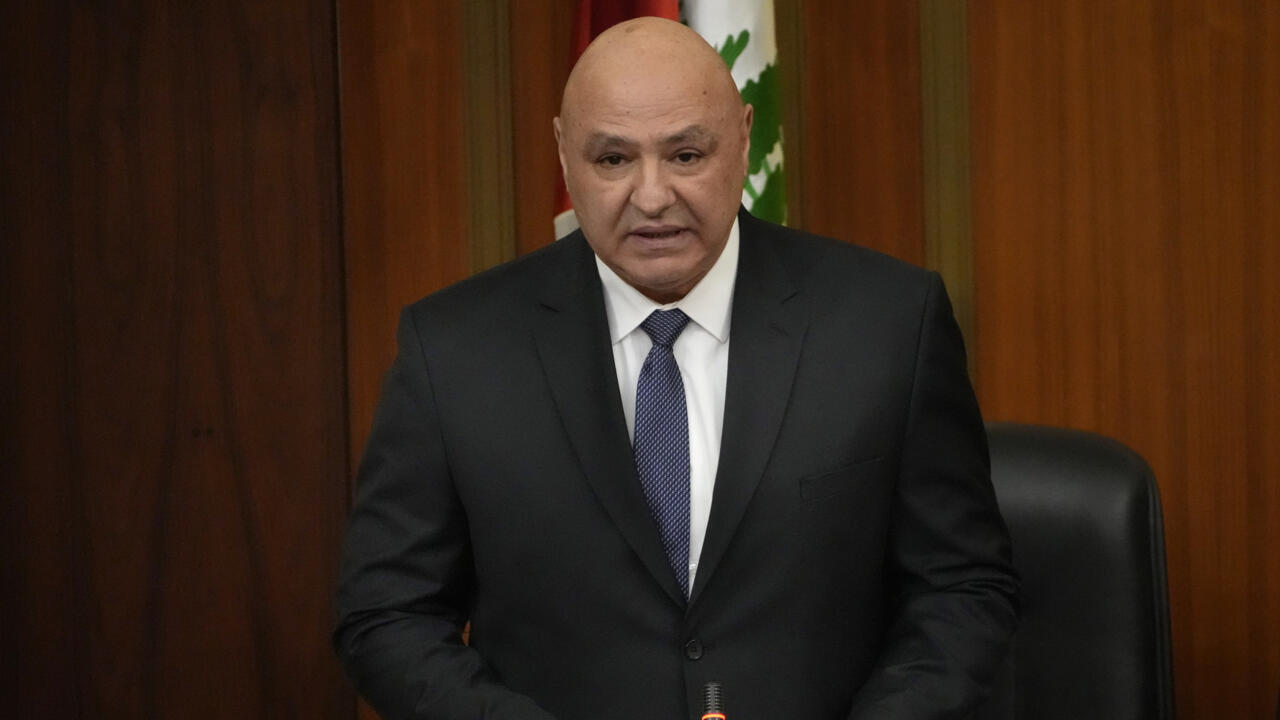
President Joseph Aoun, while announcing the appointment of former US ambassador Simon Karam as Lebanon’s representative in talks with Israel, made it clear that Karam would be the sole representative for Lebanon and that there would be no substitute.
The move comes in response to what the Lebanese officials see as efforts by Iran to tie Lebanon’s situation to the wider regional conflict. Iran had indicated that there would be no ceasefire involving the US, Israel and Iran unless it also included a ceasefire in Lebanon.
Some groups, including Hezbollah and its supporters, had expressed support for linking the situations, citing concerns that the Lebanese government has limited leverage in negotiations with Israel. Lebanon is not formally a party to the conflict, and its army is considered weak.
However, others, including Prime Minister Nawaf Salam, have opposed this approach. They view Iran’s stance as an attempt to influence Lebanon’s internal affairs and see it as undermining the country’s sovereignty.
Officials backing the government’s position say the move is aimed at reaffirming Lebanon’s sovereignty and ensuring that decisions about peace and ceasefire within the country are not dictated externally.
They also see it as a safeguard, so that any breakdown in talks between the US, Israel and Iran does not automatically lead to renewed conflict in Lebanon.