Owner of Sarvana Bhavan who was serving life term, dies in Chennai Hospital
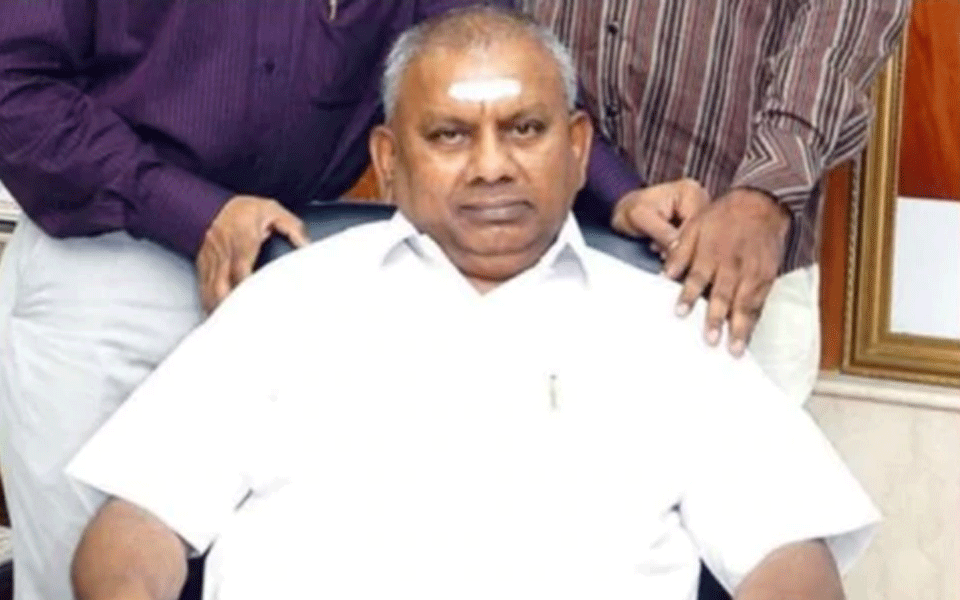
NEW DELHI: P Rajagopal, the owner of the Saravana Bhavan chain of restaurants, has died in hospital a week after he surrendered to serve a life sentence for the 2001 kidnapping and murder of an employee. On July 10, 72-year-old Rajagopal had arrived in an ambulance with an oxygen mask strapped to his face after the Supreme Court turned down his request to delay his sentence on medical grounds.
Rajagopal had been admitted to a private hospital after his surrender.
Dubbed the "Dosa king", Rajagopal had been granted bail by the Supreme Court in 2009 but had to surrender by July 7.
In 2004, Rajagopal was convicted in the kidnapping and murder of an employee, Prince Santhakumar. A local court had sentenced Rajagopal and eight others to 10 years in prison. Five years later, the Madras High Court confirmed the verdict and increased the sentence to life in prison, a punishment then upheld by the Supreme Court in March.
The prosecution had argued that Rajagopal plotted the murder of Santhakumar so he could marry his young wife.
The case, which has attracted considerable attention both in India and abroad, goes back to the 1990s. Rajagopal allegedly wanted to marry the daughter of an assistant manager at Saravana Bhavan's Chennai branch, on the advice of his astrologer.
At the time, Rajagopal had two wives and the young woman, then in her twenties, rejected him. She married Santakumar in 1999. The prosecution told the court Rajagopal threatened the couple in 2001 and demanded they end the marriage.
Days after the couple went to the police, Santhakumar was kidnapped and killed. His body was found in the forests. Born to an onion seller in Tuticorin, Rajagopal began his career as a grocer in Chennai.
courtesy: ndtv.com
Let the Truth be known. If you read VB and like VB, please be a VB Supporter and Help us deliver the Truth to one and all.
Delhi Police reunites 194 missing persons with their families
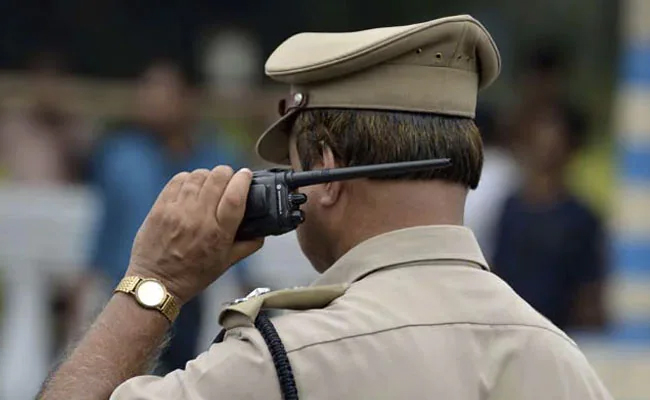
New Delhi (PTI): The Delhi Police has traced and reunited 194 missing persons with their families in April, an official said on Friday.
This includes 45 missing or kidnapped children and 149 adults rescued between April 1 and April 30 this year, he said.
Under the under 'Operation Milap', investigators relied on a combination of local intelligence and technical surveillance, including scanning CCTV footage and circulating photographs of the missing individuals at public places such as bus stands, railway stations, and auto and e-rickshaw stands.
To track movements, enquiries were conducted with drivers, conductors, vendors and other local sources, while records of nearby police stations and hospitals were checked. Informers were also roped in to gather leads, the police said.
Among police stations, Kapashera reported one of the highest rescues tracing eight minor children and 21 adults, while Delhi Cantonment police traced 30 people, including one minor.
The police said that since the beginning of the year, a total of 542 missing persons, comprising 143 children and 399 adults, have been traced and reunited with their families in the district till April 30.