People throng mosques for Eid namaz across Delhi
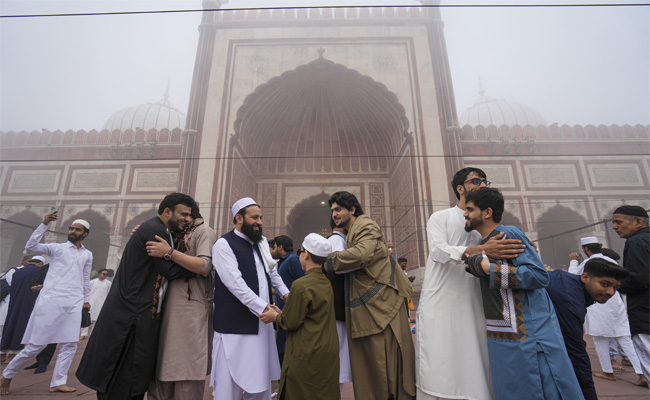
New Delhi (PTI): People thronged mosques across the national capital for namaz on Eid al-Fitr on Saturday, embracing the spirit of unity and devotion, as a blanket of fog added an unusual charm to the celebrations.
The Delhi Police said security was stepped up across the city to maintain law and order and ensure a peaceful Eid.
A soft haze hung over several parts of the city, with mosque domes and minarets appearing partially veiled, creating a striking visual.
A sense of celebration was palpable as people exchanged greetings after the namaz.
ALSO READ: Illegal sand mining racket busted in Thane, machinery of Rs 90 lakh destroyed
Mufti Mukarram Ahmed, the Shahi Imam at Jama Masjid, called it a day of joy and togetherness.
"This is the festival of Eid, the 'Meethi Eid'. I appeal to people across the country to stand together in both happiness and sorrow, promote love and harmony, and help one another," he said. Ahmed said humanity remains the strongest bond, and no religion advocates conflict.
Mohd Habishullah, at Jama Masjid, said many people who could not travel home for the festival came to the mosque and were greeted with hugs.
"It does not feel like meeting strangers. It creates a sense of harmony and new connections," he said.
Javed, another worshipper, said he had witnessed Eid in different seasons but never under fog. "It felt like a wonder of nature."
Mosques such as Jama Masjid, Fatehpuri Masjid, and those in Seelampur, Okhla and Nizamuddin witnessed a significant turnout.
Let the Truth be known. If you read VB and like VB, please be a VB Supporter and Help us deliver the Truth to one and all.
Lebanon appoints new representative for talks with Israel, rejects linkage to Iran
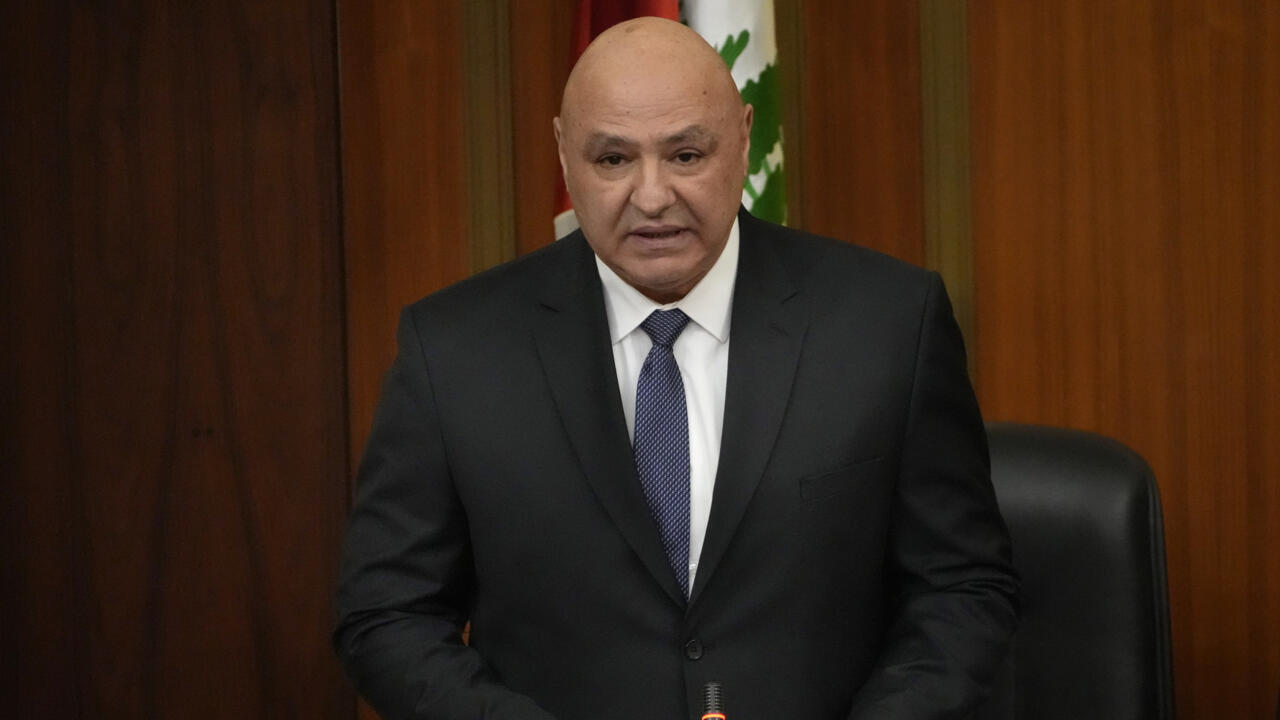
Beirut: Lebanon’s has moved to underline its independent position in ongoing regional developments, amid attempts to link the country to the broader conflict involving Iran, the United States and Israel.
President Joseph Aoun, while announcing the appointment of former US ambassador Simon Karam as Lebanon’s representative in talks with Israel, made it clear that Karam would be the sole representative for Lebanon and that there would be no substitute.
The move comes in response to what the Lebanese officials see as efforts by Iran to tie Lebanon’s situation to the wider regional conflict. Iran had indicated that there would be no ceasefire involving the US, Israel and Iran unless it also included a ceasefire in Lebanon.
Some groups, including Hezbollah and its supporters, had expressed support for linking the situations, citing concerns that the Lebanese government has limited leverage in negotiations with Israel. Lebanon is not formally a party to the conflict, and its army is considered weak.
However, others, including Prime Minister Nawaf Salam, have opposed this approach. They view Iran’s stance as an attempt to influence Lebanon’s internal affairs and see it as undermining the country’s sovereignty.
Officials backing the government’s position say the move is aimed at reaffirming Lebanon’s sovereignty and ensuring that decisions about peace and ceasefire within the country are not dictated externally.
They also see it as a safeguard, so that any breakdown in talks between the US, Israel and Iran does not automatically lead to renewed conflict in Lebanon.