Petrol, diesel price hiked 80 paise a litre
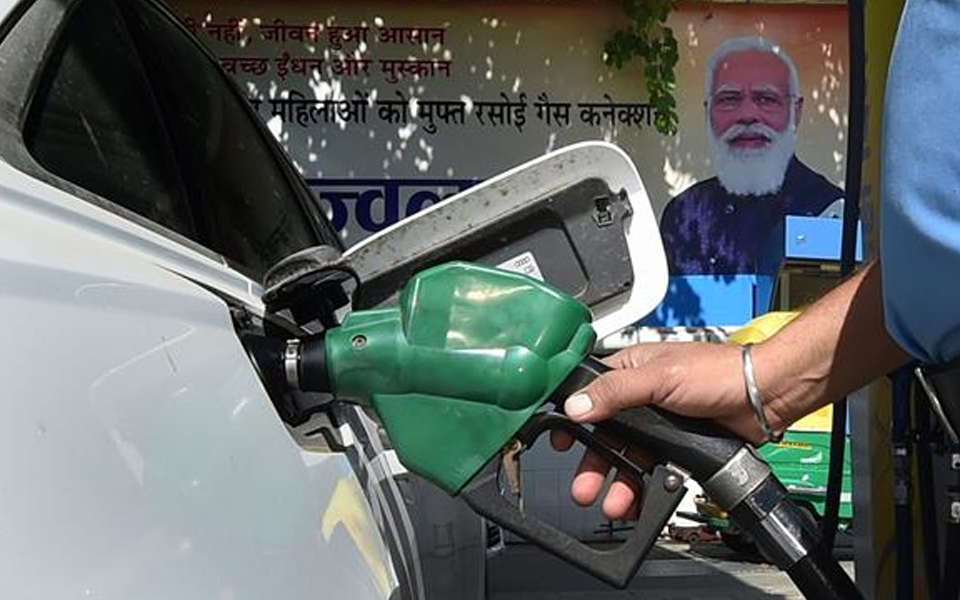
New Delhi, Mar 22 (PTI) Petrol and diesel prices were on Tuesday hiked by 80 paise a litre while domestic cooking gas prices were increased by Rs 50 per cylinder, ending an over four-and-half month election-related hiatus in rate revision, sources said.
Petrol in Delhi will now cost Rs 96.21 per litre as against Rs 95.41 previously while diesel rates have gone up from Rs 86.67 per litre to Rs 87.47.
Simultaneously, the price of a non-subsidised LPG cylinder has been increased to Rs 949.50 for each 14.2-kg bottle in the national capital.
While LPG rates were last revised on October 6, 2021, petrol and diesel prices had been on a freeze since November 4 as five states including Uttar Pradesh and Punjab went to polls.
LPG prices had gone up by close to Rs 100 per cylinder between July and October 6, 2021, before criticism halted the revision in rates.
Both LPG and auto fuel prices had been on a freeze since then despite the cost of raw material spiralling, first because of demand returning with economies globally rebounding from the pandemic induced slowdown and then due to the Russia-Ukraine conflict.
Non-subsidised cooking gas is the one that consumers buy after exhausting their quota of 12 cylinders at subsidised or below-market rates.
However, the government pays no subsidy on LPG in most cities and the price of the refill that consumers, including the poor women who got free connection under the much-talked Ujjwala scheme, is the same as non-subsidised or market price LPG.
Sources said a 5-kg LPG cylinder will now cost Rs 349 while the 10 kg composite bottle will come for Rs 669.
The 19-kg commercial cylinder now costs Rs 2003.50.
Since June 2017, petrol and prices are to be adjusted daily in line with the benchmark international rate in the preceding 15 days.
But rates have been on the freeze since November 4, 2021, just after the Narendra Modi government cut excise duty on petrol by Rs 5 per litre and that on diesel by Rs 10 a litre to bring down rates from record-high levels. Most state governments too lowered local sales tax or VAT.
Before these tax reductions, petrol price had touched an all-time high of Rs 110.04 a litre and diesel came for Rs 98.42.
These rates corresponded to Brent soaring to a peak of USD 86.40 per barrel on October 26, 2021. Brent was at USD 82.74 on November 5, 2021, before it started to fall and touched USD 68.87 a barrel in December.
International oil prices started rising again this year and jumped to a 13-year high of USD 140 per barrel earlier this month. Brent was trading at USD 118.59 per barrel on Tuesday.
To compound things, the Indian rupee tumbled to a record low of Rs 77 to a dollar.
India relies on overseas purchases to meet about 85 per cent of its oil requirement, making it one of the most vulnerable in Asia to higher oil prices.
The twin blows of oil prices, already up more than 60 per cent this year, and a weakening rupee may hurt the nation's finances, upend a nascent economic recovery and fire up inflation.
Petrol and diesel prices need to be increased by up to Rs 25 a litre for fuel retailers to cover the losses they incurred when they kept rates on hold despite a rise in the cost of raw material, industry sources said.
Diesel sold to bulk and industrial consumers had already been raised by about Rs 25 per litre, indicating that is the gap between retail pump prices and their actual economic value.
The basket of crude oil that India buys rose above USD 128.24 per barrel on March 9, according to information from the Petroleum Planning and Analysis Cell (PPAC) of the oil ministry.
This compares to an average of USD 81.5 per barrel price of the Indian basket of crude oil at the time of freezing of petrol and diesel prices four months ago.
But oil companies are not expected to pass on the entire loss in one go and they will moderate it -- raising rates by less than a rupee a litre every day.
International oil prices have been on the boil ever since Russia put its forces on the Ukraine border.
They spiked after it invaded the eastern European nation on fears that oil and gas supplies from energy giant Russia could be disrupted, either by the conflict in Ukraine or retaliatory western sanctions.
While Western sanctions have so far kept energy trade out, a prospect for a full embargo of Russian oil and products is leading to the latest rally in international oil prices.
Let the Truth be known. If you read VB and like VB, please be a VB Supporter and Help us deliver the Truth to one and all.
Nicobar Tribal Council Alleges FRA Violations in Great Nicobar Wildlife Sanctuaries
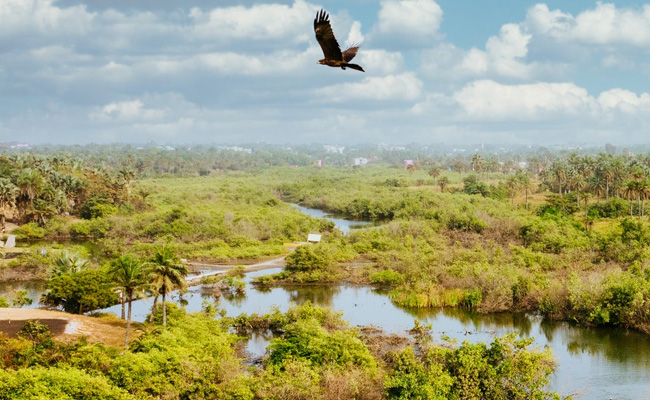
Sri Vijaypuram (Port Blair): The Tribal Council of Little and Great Nicobar has alleged fresh violations of the Forest Rights Act in the notification of three wildlife sanctuaries linked to the Centre’s ₹92,000-crore Great Nicobar Island project, even as the Calcutta High Court is set to hear petitions challenging the mega project over similar concerns next month.
The Union government had, in October 2022, notified three wildlife sanctuaries in parts of Little Nicobar Island, Menchal Island and Meroe Island for the conservation of leatherback turtles, megapodes and coral ecosystems. The move came after the government acknowledged that the proposed infrastructure project on Great Nicobar Island would affect coral colonies and nesting habitats of endangered species.
However, the tribal council has maintained that the sanctuaries were declared without consultation with the Nicobarese communities who traditionally inhabit and manage these islands.
In a letter dated April 23 addressed to the Assistant Conservator of Forests of the Nicobar Forest Division, the council reiterated its opposition to the sanctuaries and objected to the formation of a committee to determine eco-sensitive zones around the protected areas.
The council said its chairman had not been consulted before being included in the committee and was informed of his membership only a month after the committee was constituted.
The three notified sanctuaries include the Leatherback Turtle Sanctuary in parts of Little Nicobar Island, the Megapode Sanctuary covering the entire Menchal Island and the Coral Sanctuary spanning the whole of Meroe Island.
According to the council, Menchal and Meroe islands hold deep cultural and spiritual significance for the Nicobarese community, which believes the islands are inhabited by the spirits of their ancestors.
The council demanded that the sanctuary notifications be revoked and the eco-sensitive zone committee dissolved, alleging that both decisions were taken against the wishes of the indigenous community.
Meanwhile, Jairam Ramesh has written to Tribal Affairs Minister Jual Oram alleging violations of the Forest Rights Act in the process of obtaining consent for diversion of forest land for the Great Nicobar project.
Ramesh argued that consent should have been obtained through the Tribal Council representing the Nicobarese communities instead of through Gram Sabhas representing settler families. He also questioned how the government-controlled Andaman Adim Janjati Vikas Samiti could provide consent on behalf of the Shompen community, classified as a Particularly Vulnerable Tribal Group.
He urged the Tribal Affairs Ministry to intervene and seek withdrawal of clearances granted for the project under the Forest Rights Act.
Earlier, Ramesh had also written to Union Environment Minister Bhupender Yadav alleging that environmental impact studies for the project were conducted in haste and without the detailed seasonal assessments mandated under environmental laws.
The dispute dates back to 2022 when the Andaman and Nicobar administration initiated the process for notifying the three sanctuaries before holding Special Gram Sabhas for diversion of forest land linked to the Great Nicobar project.
In May that year, the administration invited objections and claims regarding the proposed sanctuaries. Subsequently, on July 19, the Nicobar Deputy Commissioner certified that no objections or claims had been received.
The tribal council later wrote to the district administration stating that the notification process was carried out without ensuring that residents of Little Nicobar Island were informed as required by law. It alleged that no public announcements seeking objections were made in villages such as Bahua, Muhincoihn and Kiyang, whose residents traditionally use and manage parts of the notified areas.
The council said the Nicobarese community had protected the islands and wildlife for generations through customary practices and traditional belief systems.
It further argued that the sanctuaries would interfere with long-standing rights over forests and coastal areas. They noted that these areas are used for rituals, plantations, collection of forest produce, construction of huts and canoes, harvesting medicinal plants and worship.
In November 2024, the council objected to draft Island Coastal Regulation Zone plans, demanding basic infrastructure, instead of proposed eco-tourism activities in the sanctuaries. The council demanded better public restrooms, jetties, water facilities, pathways, and mobile connectivity.
The Nicobar administration issued a clarification in May 2025, stating that the sanctuaries would not affect hunting rights available to Scheduled Tribes in the Nicobar Islands. The council, however, rejected the clarification, stating that their dependence on forests and coasts extended far beyond hunting activities.
Earlier this month, a Bench led by the Chief Justice of the Calcutta High Court dismissed preliminary objections raised by the Union government against petitions challenging the diversion of forest land for the Great Nicobar project. The matter has now been listed for final hearing in June.