Petrol, diesel prices up 25 paise; Bhopal, Indore join cities with Rs 100/litre petrol
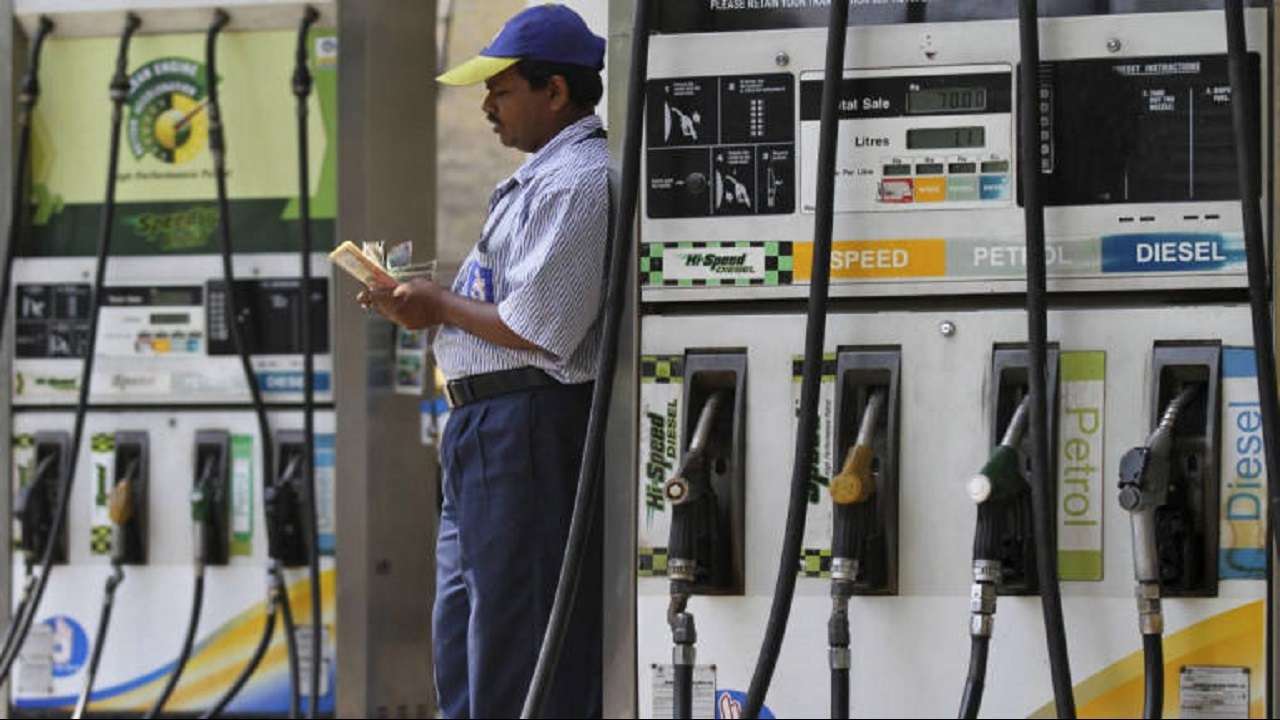
New Delhi: Petrol and diesel prices on Wednesday were hiked by 25 paise per litre each, the third increase this week, propelling petrol price to cross Rs 100 per litre mark in more cities including Bhopal and Indore.
Petrol and diesel prices are now at record high across the country, price notification of state-owned fuel retailers showed.
In Delhi, petrol now comes for Rs 92.05 per litre and diesel is priced at Rs 82.61.
This was the third increase in prices this week and seventh hike since May 4 when the state-owned oil firms ended an 18-hiatus in rate revision they observed during assembly elections in states like West Bengal.
The price increase led to petrol rates crossing the Rs 100 mark in more places in Rajasthan, Madhya Pradesh and Maharashtra.
Fuel prices differ from state to state depending on the incidence of local taxes such as value-added tax (VAT) and freight charges. Rajasthan levies the highest VAT on petrol in the country, followed by Madhya Pradesh.
Bhopal on Wednesday earned the distinction of being the first state capital in the country to see petrol cross Rs 100 mark. Petrol in the city now costs Rs 100.08 a litre.
Indore had petrol priced at Rs 100.16 per litre.
Sri Ganganagar district of Rajasthan had the costliest petrol and diesel in the country at Rs 102.96 per litre and Rs 95.33 a litre, respectively.
In seven increases, petrol price has risen by Rs 1.66 per litre and diesel by Rs 1.88.
Since March last year, when the government raised excise duty on fuel to an all-time high, petrol price has increased by a record Rs 22.46 per litre (after accounting for a handful of occasions when rates fell) and diesel by Rs 20.32.
Oil companies, that in recent months resorted to unexplained freeze in rate revision, had hit a pause button after cutting prices marginally on April 15. This coincided with electioneering hitting peak to elect new governments in five states including West Bengal.
No sooner had voting ended, oil companies indicated an impending increase in retail prices in view of firming trend in international oil markets.
They said prices have been on a continuous uptrend since April 27.
Central and state taxes make up for 60 per cent of the retail selling price of petrol and over 54 per cent of diesel. The union government levies Rs 32.90 per litre of excise duty on petrol and Rs 31.80 on diesel.
In Mumbai, the petrol price was hiked to Rs 98.36 a litre on Wednesday from Rs 98.12, while diesel rates were increased to Rs 89.75 from Rs 89.48, the price notification showed.
Let the Truth be known. If you read VB and like VB, please be a VB Supporter and Help us deliver the Truth to one and all.
Man arrested in Hyderabad for impersonating police officer using AI videos
Hyderabad (PTI): A 27-year-old man was arrested in Hyderabad for allegedly impersonating a police official and uploading fabricated videos on social media platforms to gain followers, police said on Wednesday.
The accused, who worked as a delivery executive with a food delivery aggregator, created and circulated misleading videos using AI-based software.
He falsely depicted himself as a police official and showcased weapons, potentially causing panic and misleading the public, a release from Hyderabad Police said.
Police said it came to their notice that fake videos were being circulated on social media, showing individuals posing as police personnel and displaying weapons.
Upon preliminary inquiry, it was found that the videos were fabricated using AI software and did not represent any real police activity.
The accused unlawfully impersonated a police official and created deceptive digital content, which is a punishable offence under relevant provisions of law.
Such acts can erode public trust and create unnecessary alarm, the release said.
Acting on credible information, police teams apprehended the accused and seized a mobile phone used in the offence.
A case under relevant sections of the BNS and the IT Act, 2000, was registered at Kalapathar Police Station.
Further investigation is underway to determine whether any other persons were involved in the creation and dissemination of such content, police added.