Pharma companies must invest in R&D to keep growing: Prabhu
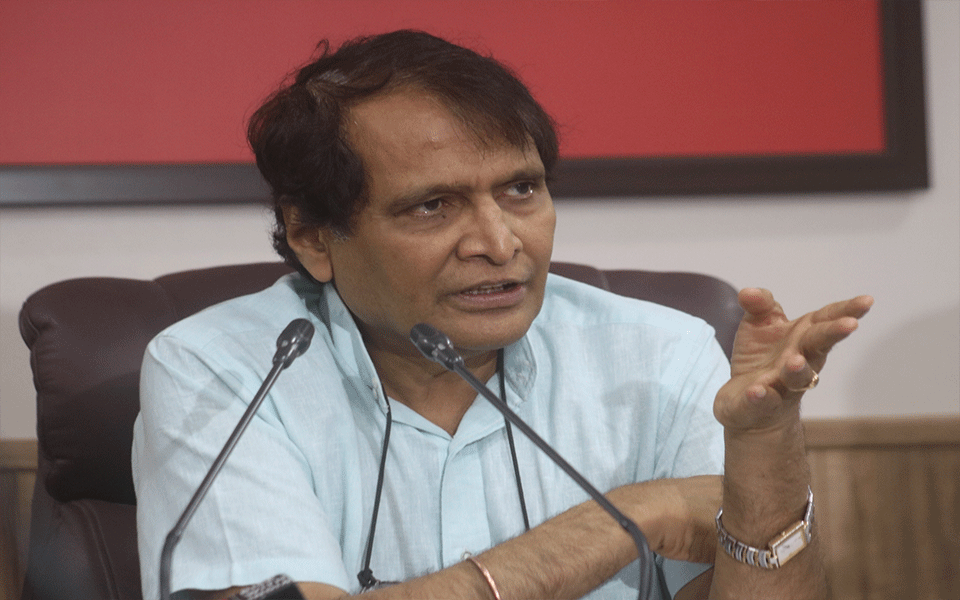
New Delhi, July 13 : Noting that India is now recognized globally as a key player in the generic medicine industry, Commerce Minister Suresh Prabhu on Friday asked pharmaceutical companies to invest in research and development (R&D) for further growth of the sector.
Speaking at an event here, organised by the Organization of Pharmaceutical Producers of India, Prabhu said the government is taking steps to make pharma companies more innovative.
"All companies in pharma industry must ensure that they invest good part of their topline in R&D. Because if you do not have pipeline of new drug delivery or new molecules, you will always have problem down the line," he said.
"By 2020, India is likely to be among the top three pharmaceutical markets by incremental growth and the sixth largest market globally in absolute size.
"Increase in the size of middle class households coupled with the improvement in medical infrastructure in the country will influence the growth of the pharmaceuticals sector," he added.
The Minister asked the companies to make a proper balance between making profits and protecting consumer interests.
"We must have a trade-off. We cannot take only one of that issue for granted," he said.
"We will make sure that the industry grows and at the same time the consumer interest is also adequately protected."
Prabhu also said that Indian pharma firms were facing problems of market access in China, which had been resolved following his talks with the Chinese Commerce Minister.
According to a Commerce Ministry release, the Indian pharmaceuticals market witnessed a compound annual growth rate of 5.64 per cent during 2011-16, with the market increasing from $20.95 billion in 2011, to $27.57 billion in 2016.
Let the Truth be known. If you read VB and like VB, please be a VB Supporter and Help us deliver the Truth to one and all.
CPI(M) rebel Kunhikrishnan hopes for 5,000-vote win in Payyanur
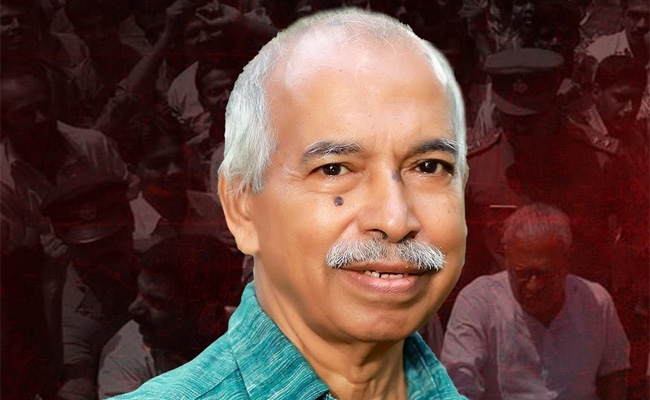
Kannur (Kerala) (PTI): CPI(M) rebel candidate V Kunhikrishnan, who contested as a UDF-backed Independent from Payyanur here, on Saturday said he was hoping to win the Assembly election by a margin of 5,000 votes.
Kunhikrishnan was expelled from the CPI(M) earlier this year after raising allegations of corruption in the party’s martyrs’ fund against sitting MLA T I Madhusoodanan.
Speaking to a TV channel, Kunhikrishnan said he had announced his candidature as a mark of protest and not with expectations of victory.
However, he said the situation had changed drastically, with a strong undercurrent within CPI(M) votes favouring him.
"The undercurrent in CPI(M) votes cannot be measured. Now people are giving a response indicating victory with a margin of at least 5,000 votes," he said.
Payyanur is considered a CPI(M) stronghold, and a defeat for Madhusoodanan there would be a major setback for the party.
On political violence in Payyanur, Kunhikrishnan said he had been facing it since filing his nomination.
"The people leading this violence should think about how long they can continue it. It is the police which has to take the initiative to stop this violence as part of maintaining law and order. But the police are not intervening at the required level," he said.
Regarding his political future, Kunhikrishnan said efforts were underway to strengthen Left groups, and discussions were being held across Kerala in that regard.
"After discussing with others, a decision will be taken," he said.
Kunhikrishnan is among six former CPI(M) leaders who either exited the party or were suspended before contesting for the UDF in the April 9 Assembly elections.
Elections to the 140-seat Kerala Assembly were held on April 9, and the counting of votes will be held on May 4.