Voting begins on dull note in 95 seats across 11 states; EVM glitches in Bihar, TN
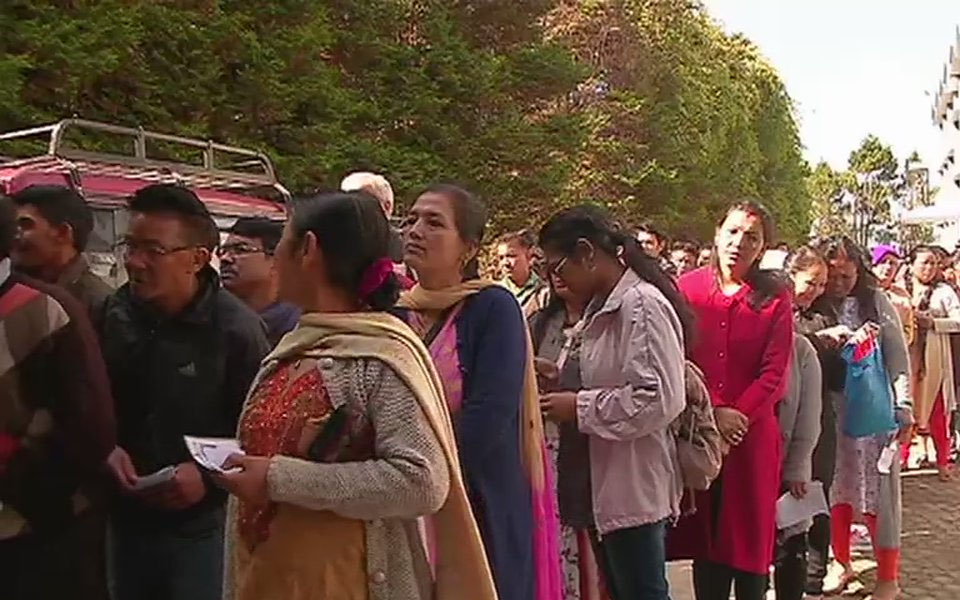
New Delhi: Polling was yet to pick up in the first two hours of voting in 95 seats across 11 states, including Tamil Nadu where 38 seats are up for grabs, and Union Territory of Puducherry in the second phase of Lok Sabha elections in which a former prime minister and four union ministers are in the fray.
Voting was also underway in 35 assembly constituencies in Odisha and in 18 assembly seats in Tamil Nadu.
Barring reports of glitches in EVMs in Tamil Nadu and Bihar, polling was going on peacefully.
The BJP is looking to defend 27 seats including 8 in western Uttar Pradesh, three in Chhattisgarh, six in Karnataka, four in Maharashtra and two in Assam.
The Congress, besides seeking to defend 12 of the seats it won in 2014 polls including six in Karnataka, two each in Assam and Maharashtra and one each in Bihar and Manipur, is aiming to improve its performance in Tamil Nadu, Karnataka, Maharashtra and Odisha.
Prominent faces in fray in the Lok Sabha contest are Union ministers Jitendra Singh, Jual Oram, Sadananda Gowda and Pon Radhakrishnan; former prime minister H D Deve Gowda; DMK's Dayanidhi Maran, A Raja and Kanimozhi; Congress leaders Verappa Moily and Raj Babbar; National Conference president Farooq Abdullah and BJP's Hema Malini.
Over 15.80 crore voters are eligible to decide the fate of 1,600-odd contestants.
In Tamil Nadu, polling is being held in 38 of the 39 LS seats. Polling in Vellore LS seat was cancelled Tuesday by the Election Commission following recovery of cash allegedly from an associate of a DMK leader recently.
The EC also announced postponement of polling in Tripura (East) LS seat to the third phase on April 23, saying the prevailing law-and-order situation there is not conducive for holding free and fair polls.
Besides Tamil Nadu, polling is being held in 14 seats in Karnataka, 10 in Maharashtra, eight in UP, five each in Assam, Bihar and Odisha, three each in Chhattisgarh and West Bengal, two in Jammu and Kashmir and one seat each in Manipur and Puducherry.
Amidst tight security, polling was underway in Srinagar Parliamentary constituency of Jammu and Kashmir to decide the fate of 10 candidates, including NC president Farooq Abdullah who is seeking a re-election.
Security personnel have been deployed in strength in and around polling stations in all three districts -- Srinagar, Budgam and Ganderbal -- of the constituency, officials said.
However, they said most of the polling booths in the city wore a deserted look.
As many as 12,90,318 voters are eligible to decide the fate of 10 candidates. 1,716 polling stations have been set up in the constituency.
Tamil Nadu recorded 13.48 per cent voting till 9:am in 38 Lok Sabha constituencies where Union minister Pon Radhakrishnan, DMK's Dayanidhi Maran and Kanimozhi and Karti Chidambaram of the Congress are among key contenders.
Besides the 38 of the 39 Lok Sabha seats, bypolls to 18 Assembly segments are also underway.
Chief Electoral Officer Satyabrata Sahoo said polling was peaceful.
Tamil Nadu Chief Minister K Palaniswami was among the early electors in his native Salem district.While senior Congress leader P Chidambaram voted at Kandanur in Sivaganga district, AMMK leader TTV Dhinakaran excised his franchise along with his family in Chennai.
Technical glitches delayed start of polling in a number of booths.
Polling for the lone Lok Sabha seat in Puducherry was underway along with voting for the bypoll to fill the vacant Thattanchavady assembly seat.
In Karnataka, an estimated 7.60 per cent of voter turnout has been reported till 9 am in 14 constituencies where direct contest is between Congress-JD(S) alliance and BJP.
Highest turnout was recorded at Dakshina Kannada with 14.94 per cent and least in Bangalore Central with 5.41 per cent till 9 am, poll officials said.
While Union Minister D V Sadananda Gowda, who is BJP candidate from Bangalore North was among the early ones to cast his vote, Chief Minister H D Kumaraswamy along with wife Anita and son Nikhil, who is JD(S) candidate from Mandya cast their vote at Kethiganahalli that comes under Bangalore Rural constituency.
Defence Minister Nirmala Sitaraman and RSS Joint General Secretary Dattatreya Hosabale, Congress candidate in Bangalore North Krishna Byre Gowda were among the prominent personalities to cast their votes.
Infosys founder N R Narayana Murthy along with wife Sudha cast his vote in Bengaluru.
Prominent contestants in the first phase include former Prime Minister H D Deve Gowda (Tumkur), his grandsons Prajwal Revanna and Nikhil Kumaraswamy from Hassan and Mandya respectively.
In UP, voting is progressing at a slow pace with an overall polling percentage of 10.76 being reported from the eight parliamentary constituencies in the state during the first two hours.
Voting was yet to pick up in Bihar where about 9.2 per cent of the over 86 lakh electorate exercised franchise in the first two hours of polling.
Kishanganj and Banka recorded highest turnout at 10.5 per cent each in first two hours, followed by Bhagalpur at 10 per cent, Katihar at 8 per cent and Purnea at 7 per cent, the CEO office said.
Voting was hampered briefly at several poll stations at Masuria in Banka town, Kahalgaon assembly segment in Bhagalpur and Purnea.
Lok Sabha polls are being held in seven-phases for 543 seats on April 11, April 18, April 23, April 29, May 6, May 12 and May 19, and counting will be on May 23.
Let the Truth be known. If you read VB and like VB, please be a VB Supporter and Help us deliver the Truth to one and all.
Himanta resigns as Assam CM, paving way for formation of new govt
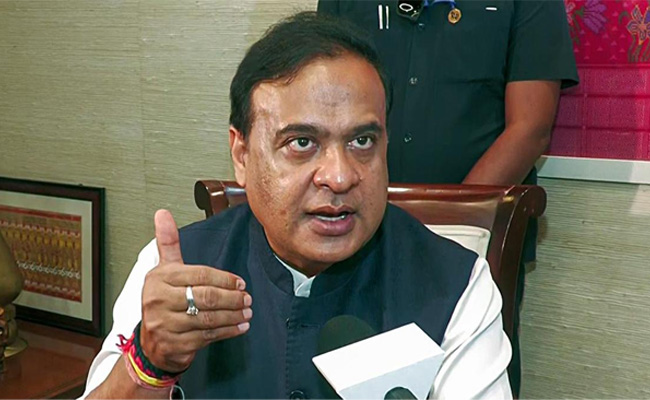
Guwahati (PTI): Assam Chief Minister Himanta Biswa Sarma on Wednesday resigned along with his cabinet colleagues, paving the way for formation of a new government led by the BJP, officials said.
The BJP-led NDA bagged 102 seats in the 126-member assembly. The assembly elections were held in a single phase on April 9, and counting of votes took place on May 4.
"Following the formal notification of the results of #AssamElections2026 and to enable the formation of the new government, Dr @himantabiswa tendered his resignation as Chief Minister along with that of the council of Ministers to Hon'ble Governor Shri @Laxmanacharya54 today at Lok Bhawan," the Chief Minister's Office said in a post on X.
ALSO READ: 11-year-old dies by suicide after sexual assault in Bareilly; accused arrested
The Governor has accepted the resignation, and requested Sarma to continue as the caretaker CM till the new government assumes office, it said.
Later, speaking to reporters outside the Lok Bhawan, Sarma said the oath-taking ceremony is likely to take place after May 11.
“As it was a historic win, we have invited Prime Minister Narendra Modi to grace the occasion," he said.
The new Assam chief minister will be selected at a meeting of the BJP legislature party in presence of central observers, Sarma said.