PM Modi speaks to US V-P Kamala Harris, appreciates efforts for vaccine supply to India
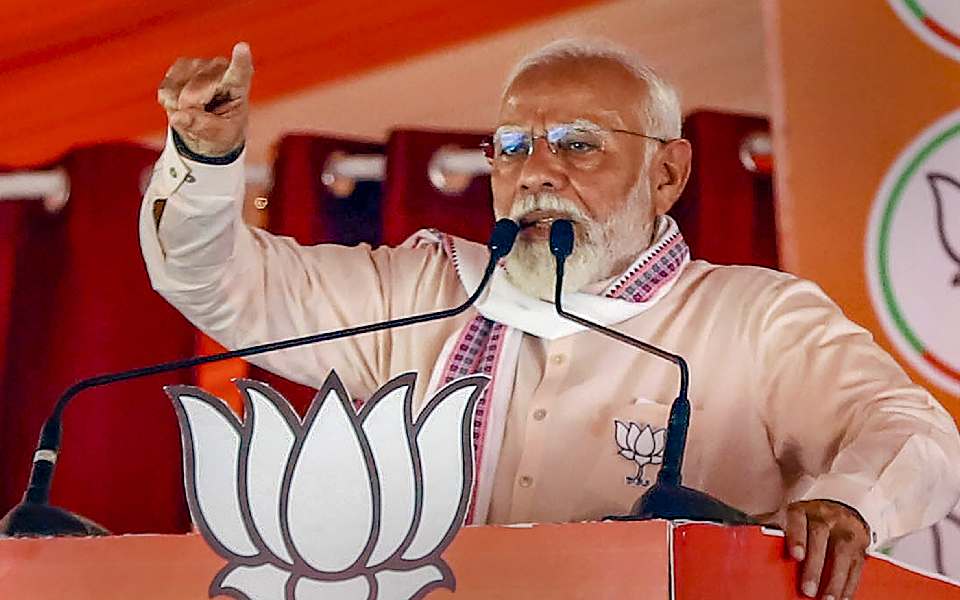
New Delhi, Jun 3: Prime Minister Narendra Modi on Thursday spoke to the US Vice President Kamala Harris and expressed his appreciation for assurance of vaccine supplies to India as part of the US Strategy for Global Vaccine Sharing, under which India is expected to get the first batch of doses by the month-end.
In a series of tweets, Modi said he also thanked Harris for all the support and solidarity from the US government, businesses and the Indian diaspora.
"We also discussed ongoing efforts to further strengthen India-US vaccine cooperation & potential of our partnership to contribute to post-Covid global health, economic recovery," he said.
The US embassy also issued a statement from Symone Sanders, senior advisor and chief spokesperson for Harris on her calls with leaders of four countries, including Modi, on the global allocation plan for the supply of the COVID-19 vaccine doses to India and other countries by the month-end.
In the four separate calls, she said that the US will begin sharing the first 25 million (2.5 crore) doses of COVID-19 vaccines to their respective countries and others, as part of the Biden-Harris administration's framework for sharing at least 80 million (8 crore) vaccines globally by the end of June.
She reiterated that the administration's efforts are focused on achieving a broad global coverage, responding to surges and other urgent situations and public health needs, and helping as many countries as possible who requested vaccines.
The four leaders thanked the vice president, and they agreed to continue working together to address COVID-19 and advance our mutual interests around the world, the US government statement said.
Besides Modi, Harris spoke to President Andres Manuel Lopez Obrador of Mexico, President Alejandro Giammattei of Guatemala and Prime Minister Keith Rowley, Chairman of the Caribbean Community (CARICOM), the statement added.
Officials here said that Modi and Harris discussed ongoing efforts to strengthen the health supply chain between the US and India, including in the area of vaccine manufacturing. They highlighted the potential of the India-US partnership as well as the QUAD vaccine initiative in addressing the long-term health impact of the pandemic.
The prime minister also said he hopes to welcome Vice President Harris in India soon after normalisation of the global health situation.
We also discussed ongoing efforts to further strengthen India-US vaccine cooperation, and the potential of our partnership to contribute to post-Covid global health and economic recovery.
— Narendra Modi (@narendramodi) June 3, 2021
Let the Truth be known. If you read VB and like VB, please be a VB Supporter and Help us deliver the Truth to one and all.
Sujit Nair raises concerns over speculation of DMK-AIADMK understanding to block TVK
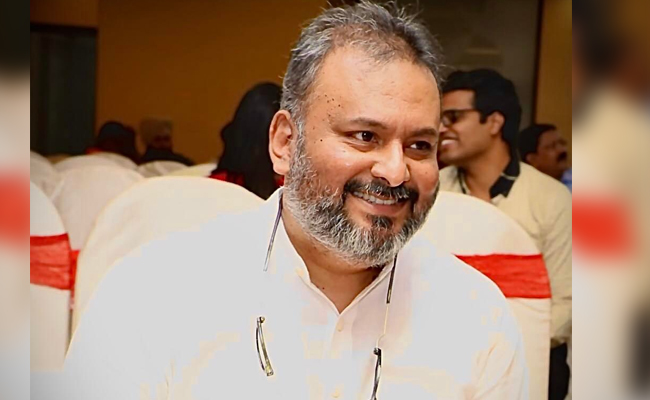
Chennai: Journalist and political commentator Sujit Nair has expressed concern over speculation that the Dravida Munnetra Kazhagam and the All India Anna Dravida Munnetra Kazhagam could explore a post-poll understanding to prevent Vijay-led Tamilaga Vettri Kazhagam from forming the government in Tamil Nadu.
In a social media post, Sujit Nair said the election verdict in Tamil Nadu reflected a clear public demand for political change and argued that the mandate should be respected irrespective of political preferences.
Referring to reports and political discussions surrounding a possible understanding between the DMK and AIADMK, he said he hoped such developments remained only speculative conversations and did not turn into reality.
Nair stated that if such an alliance were to take shape, it would raise serious questions about ideological politics in the country. He said TVK had emerged through a democratic electoral process and that the legitimacy to govern in a parliamentary democracy comes from the people’s verdict.
According to him, attempts to prevent an electoral winner from forming the government through unexpected political arrangements may be constitutionally valid, but many people could view them as politically opportunistic.
He further said that such a move could particularly affect the political image of the DMK, which has historically projected itself around ideology, social justice and opposition politics. Nair said that in ideological terms, the DMK appeared closer to TVK than to the AIADMK, and joining hands with its long-time political rival only to remain in power could weaken its broader political narrative.
He added that the same questions would apply to the AIADMK as well, as the party had spent decades positioning itself against the DMK and such an arrangement could create discomfort among its cadre and supporters.
Drawing a comparison with Maharashtra politics in 2019, Nair said he had expressed similar views when the Shiv Sena formed an alliance with the Indian National Congress and the Nationalist Congress Party after the Assembly elections.
He said post-poll alliances between long-standing political rivals often create a public perception that ideology and electoral mandates become secondary when political power equations come into play.
Nair also said such developments increase public cynicism towards politics and reinforce the belief among voters that ideology is often sidelined after elections.
He maintained that the Tamil Nadu verdict was emphatic and said respecting both the spirit and substance of the mandate was important for the credibility of democratic politics.