Pragya Thakur creates row with her name while taking oath at 17th Lok Sabha session
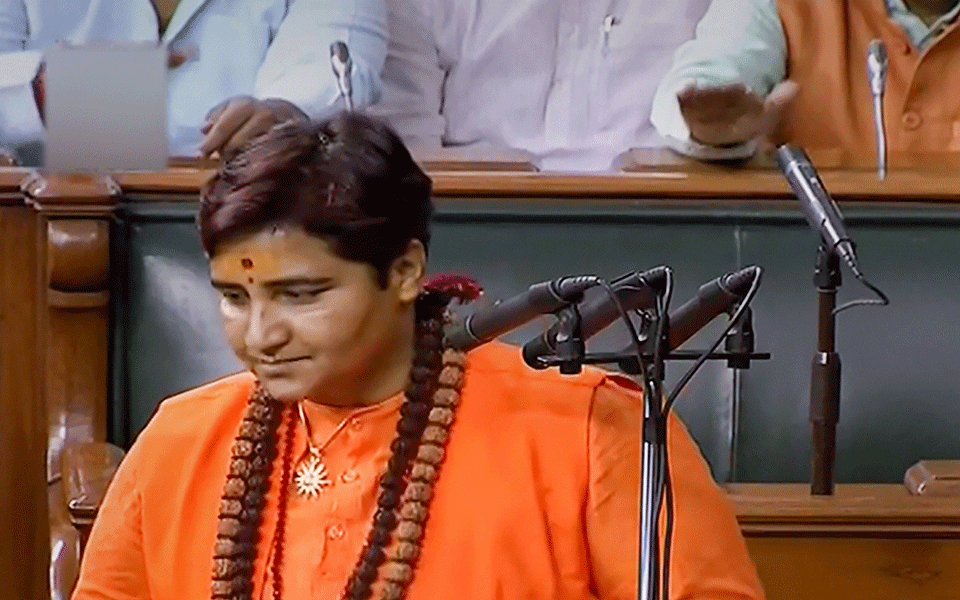
New Delhi, Jun 17: BJP MP from Bhopal Sadhvi Pragya Singh Thakur created a controversy on the first day of the 17th Lok Sabha Monday when she suffixed the name of her spiritual guru with hers while taking oath, drawing sharp reaction from the Opposition.
Amid protests and shouting, Thakur asserted that it was her full name and the same was mentioned in the form filled by her for taking oath.
The mention of Swami Purna Chetnanand Avdheshanand Giri as suffix to her name Sadhvi Pragya Singh Thakur drew strong objection from the Opposition members who said it was not permitted.
The BJP MP, however, insisted that the suffix was part of her full name, resulting in an uproar from Opposition and slogan-shouting in her favour from the ruling benches.
Pro tem Speaker Virendra Kumar sought to know from the Lok Sabha Secretary General the parliamentarian's full name.
Amid the din, the Speaker ruled that only the name written in one's election certificate issued by the returning officer would go on record.
After the ruling from the chair, she continued her oath.
The Malegaon blast accused took oath in Sanskrit and ended it with 'Bharat Mata Ki Jai' slogan.
Thakur routed Congress stalwart Digvijaya Singh to enter the Lok Sabha for the first time.
Later, BJP members continued to raise 'Bharat Mata Ki Jai' slogan, teasing the Opposition. They started raising the slogan after oath-taking by every BJP member.
After Ganjendra Umarao Singh Patel (BJP) completed his oath with 'Bharat Mata Ki Jai', N K Premchandran (RSP) urged the Pro tem Speaker to maintain the prescribed format of the oath.
The Pro tem speaker ruled that the members stick to the format provided.
After this, the BJP members started adding 'Bharat Mata Ki Jai' at the end of every oath.
Some of the prominent names who took oath from Madhya Pradesh included K P Yadav who defeated Jyotiraditya Scindia, Rakesh Singh, Ramakant Bhargava and Nakul Nath.
Indore MP Shankar Lalwani took oath in Sindhi.
Let the Truth be known. If you read VB and like VB, please be a VB Supporter and Help us deliver the Truth to one and all.
Bengaluru jail introduces biometric tracking system for prisoners
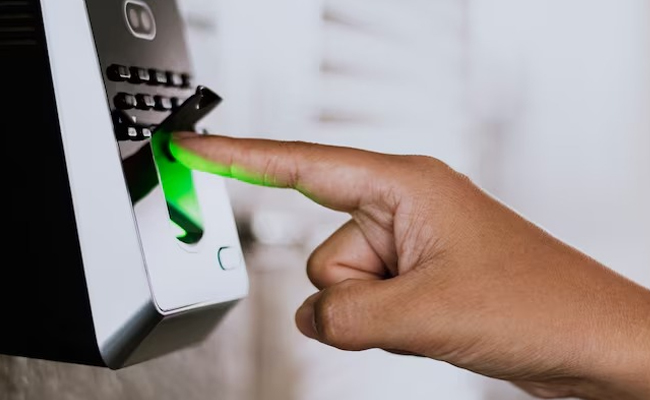
Bengaluru: In a bid to curb misconduct and illegal activities inside Parappana Agrahara Central Prison, prison authorities have introduced a new ‘Prisoners Tracking Movement System’ under which inmates will have to undergo biometric verification while entering every barrack.
According to jail officials, biometric systems have been installed across all major sections of the prison, including barracks, visitor rooms, hospital, canteen, kitchen, library, playground, handicraft units and bakery sections. Staff members have also been deployed at these locations.
Officials said inmates visiting the visitors’ room must now obtain a digital token after biometric verification. Details such as the prisoner’s name, identification number and entry time will be updated in the prison software system. This will help authorities maintain a complete digital record of inmates visiting and returning from meeting rooms.
Similar systems have also been introduced at entry points of the hospital, library and other barracks accessed for work-related purposes. Officials said the system will help identify prisoners involved in suspicious or illegal activities with other inmates and enable authorities to track how much time a prisoner spends at different locations inside the prison.
Authorities stated that AI-powered cameras were already being used inside the prison to monitor inmates as well as prison staff. Along with this, digital tracking of prisoner phone calls and a digital token system for visitor meetings have now been added to strengthen surveillance over inmate movement. Officials said the project has been implemented at a cost of around Rs 2.25 crore.
The prison department has also introduced a canteen usage tracking system to monitor prisoners’ spending patterns. Instead of direct cash payments, inmates can purchase bakery items and snacks using wallets or coupons issued within the prison system.
Officials said the digital system will record details including the buyer’s name, items purchased, quantity, date, time and remaining wallet balance. This will allow prison authorities to maintain complete expenditure records of inmates.