Pranab Mukherjee's health declines, develops lung infection
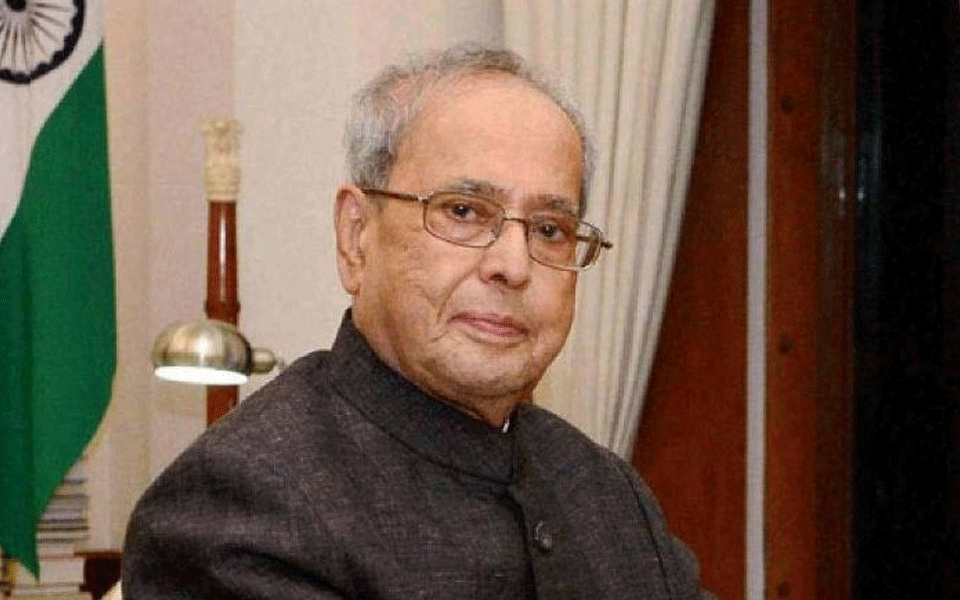
New Delhi: The health condition of former President Pranab Mukherjee has declined as he has developed a lung infection, the Army's Research and Referral Hospital said on Wednesday.
The 84-year-old former president, who was admitted to the hospital in Delhi Cantonment on August 10, continues to be on ventilatory support, doctors attending to him said.
However, his son and former MP Abhijit Mukherjee said his father is showing "positive signs of improvement". Pranab Mukherjee was operated for removal of a clot in his brain and has been in a coma ever since. He also tested positive for COVID-19.
"There has been a decline in the medical condition of Shri Pranab Mukherjee as he has developed features of lung infection. He continues to be on ventilatory support and is currently being managed by a team of specialists," the hospital said in a statement.
In a tweet, Abhijit Mukherjee said his father's vital parameters are under control.
"With all your good wishes and sincere efforts of the doctors, my father is stable now! His vital parameters continue to remain under control and manageable! Positive signs of his improvement are noticed. I request you all to pray for his speedy recovery," he said.
Pranab Mukherjee was the President of India from 2012 to 2017.
Let the Truth be known. If you read VB and like VB, please be a VB Supporter and Help us deliver the Truth to one and all.
Yenepoya University conducts autism awareness campaign in Mangaluru
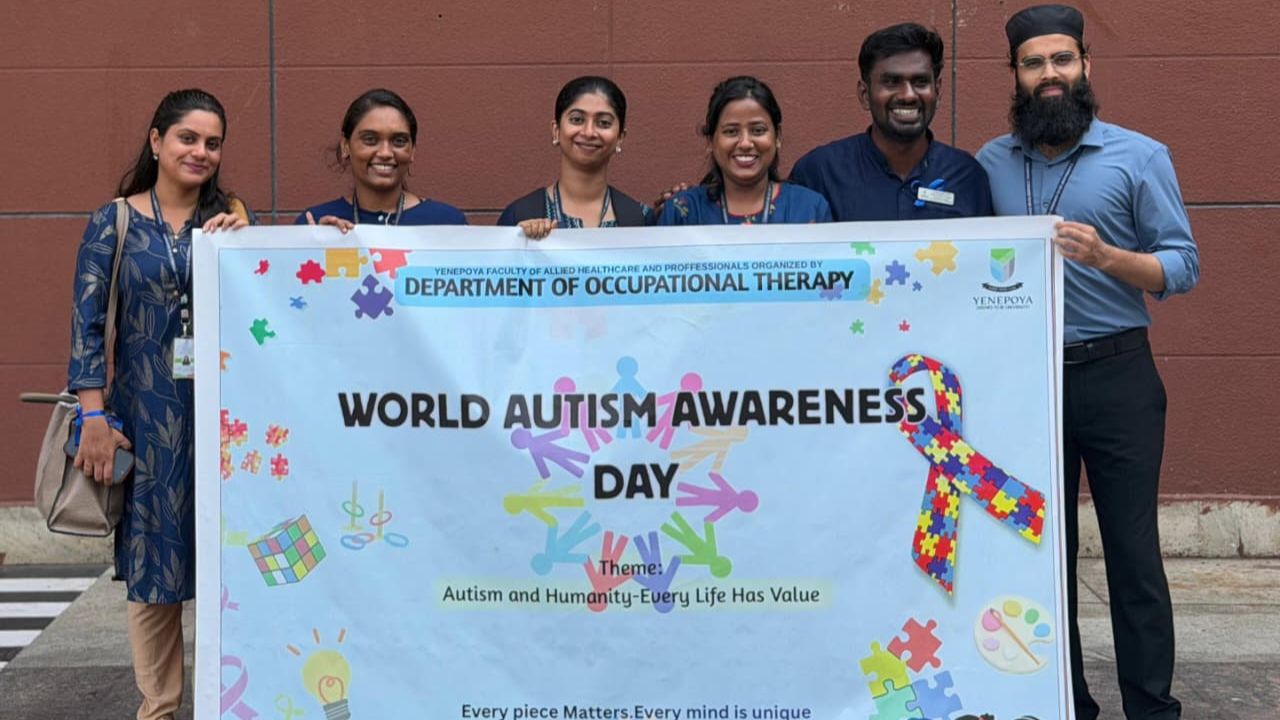
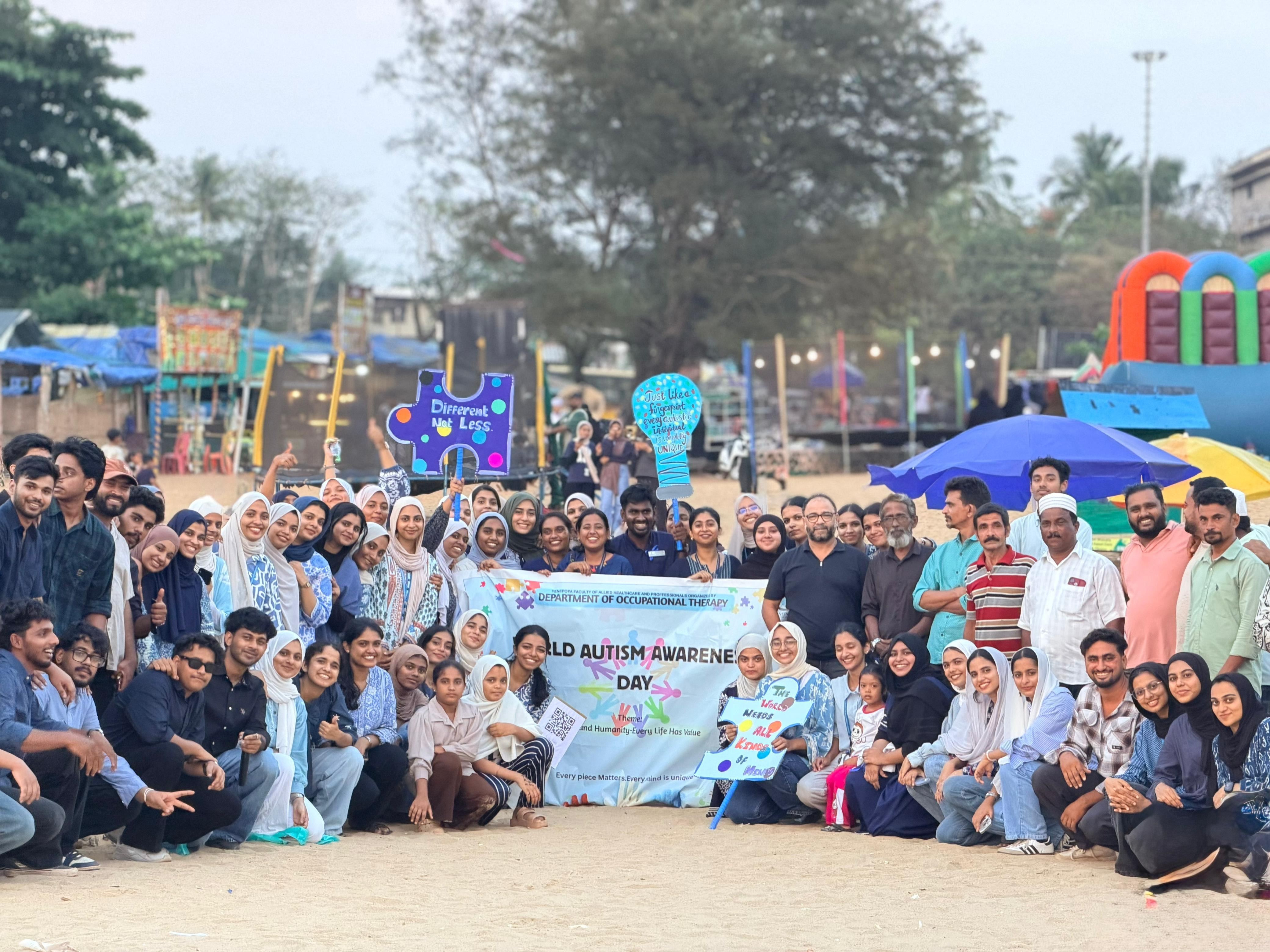
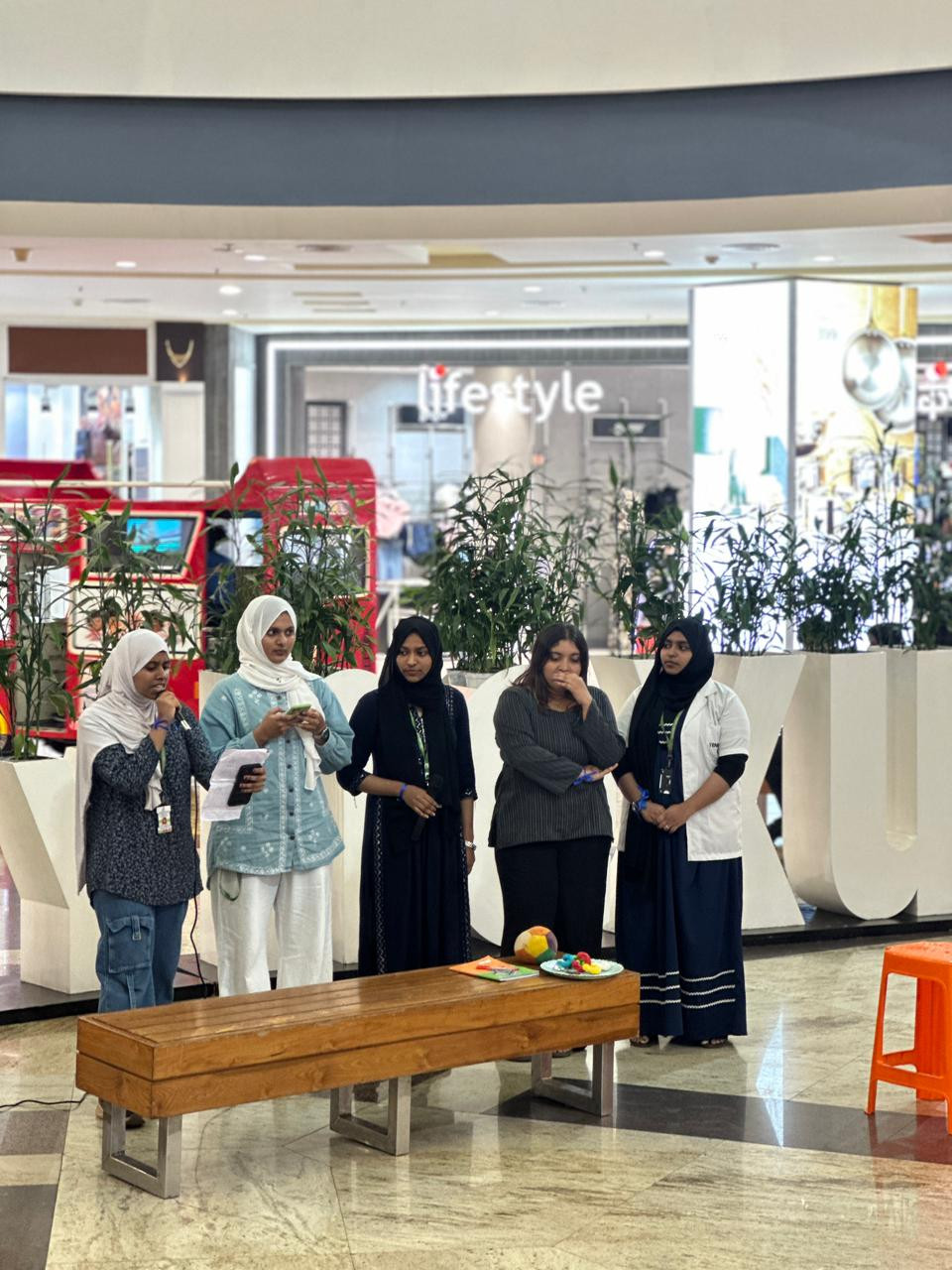
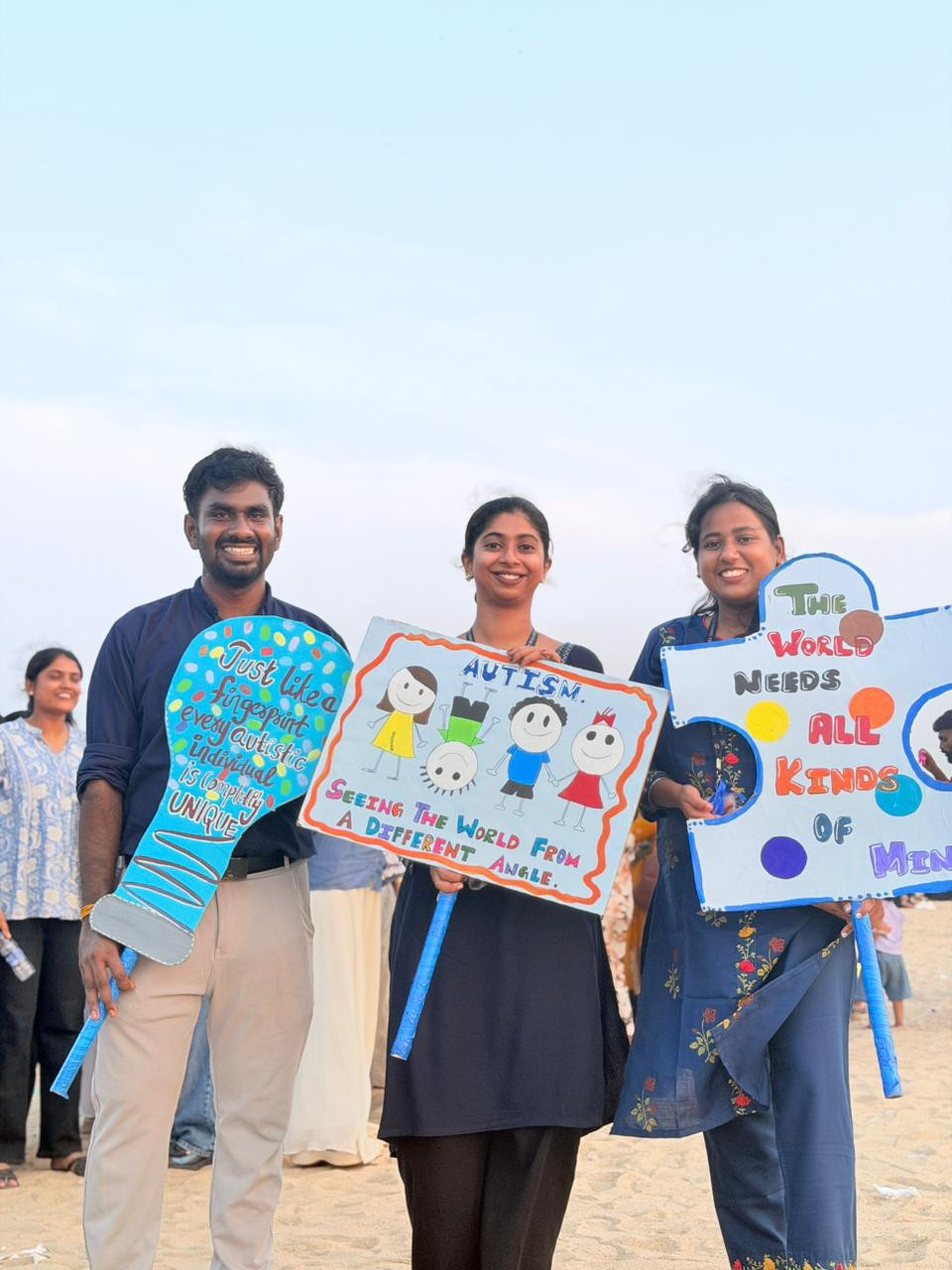
Mangaluru: The Department of Occupational Therapy at Yenepoya (Deemed to be University) conducted a community-based Autism Awareness Campaign at Fiza Mall and Ullal Beach in the city.
The campaign was aimed at promoting awareness, inclusion, and early identification of autism, in line with the global theme, “Autism and Humanity – Every Life Has Value.”
The programme was led by Dr. Dhayanithi K and Dr. Ananya Jana as organising chairpersons, with Dr. Anas, Dr. Amanda S. Phillip, and Dr. Ansu V. David served as organising members.
Students of the Bachelor of Occupational Therapy (BOT) programme participated in conducting the campaign.
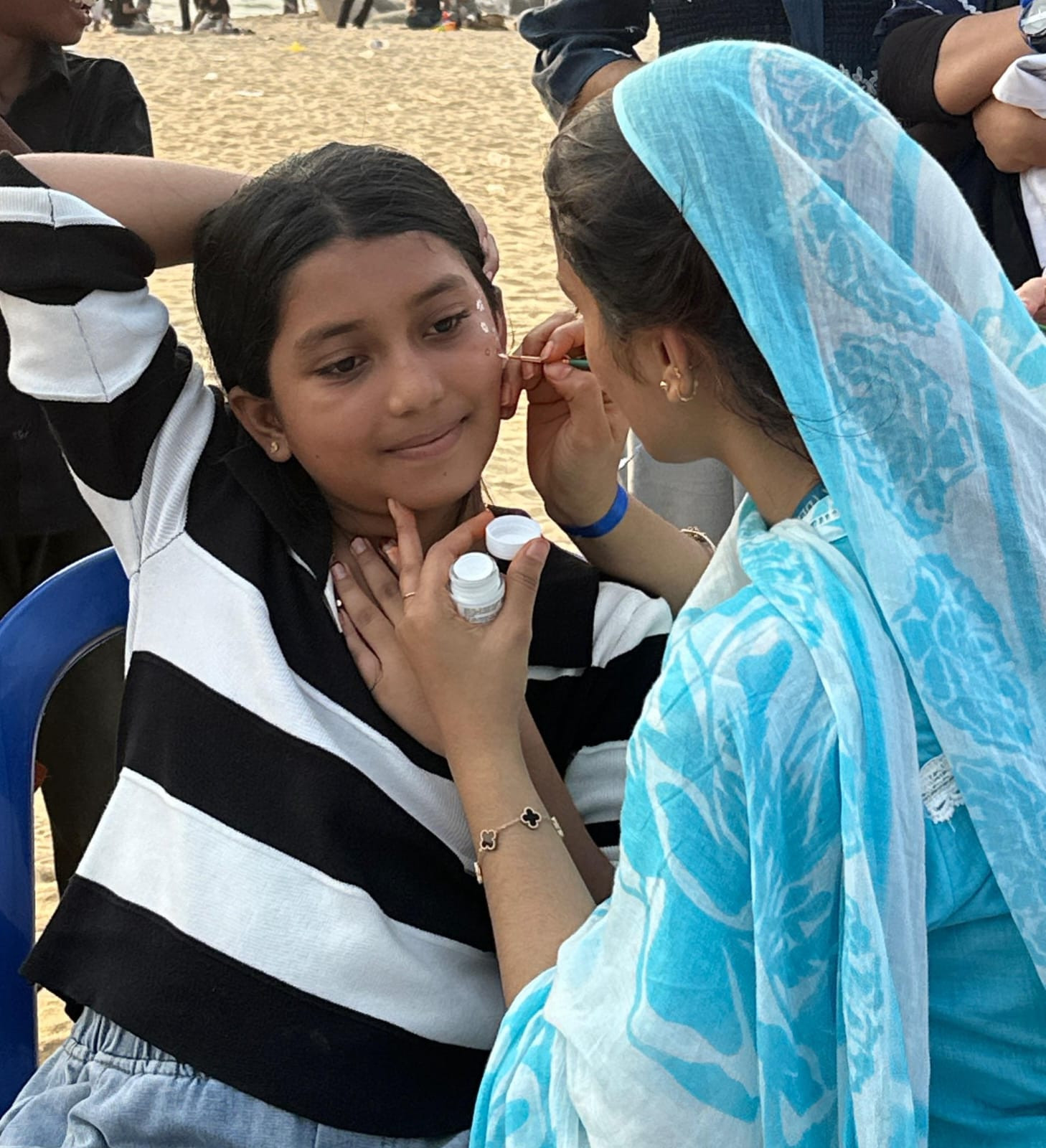
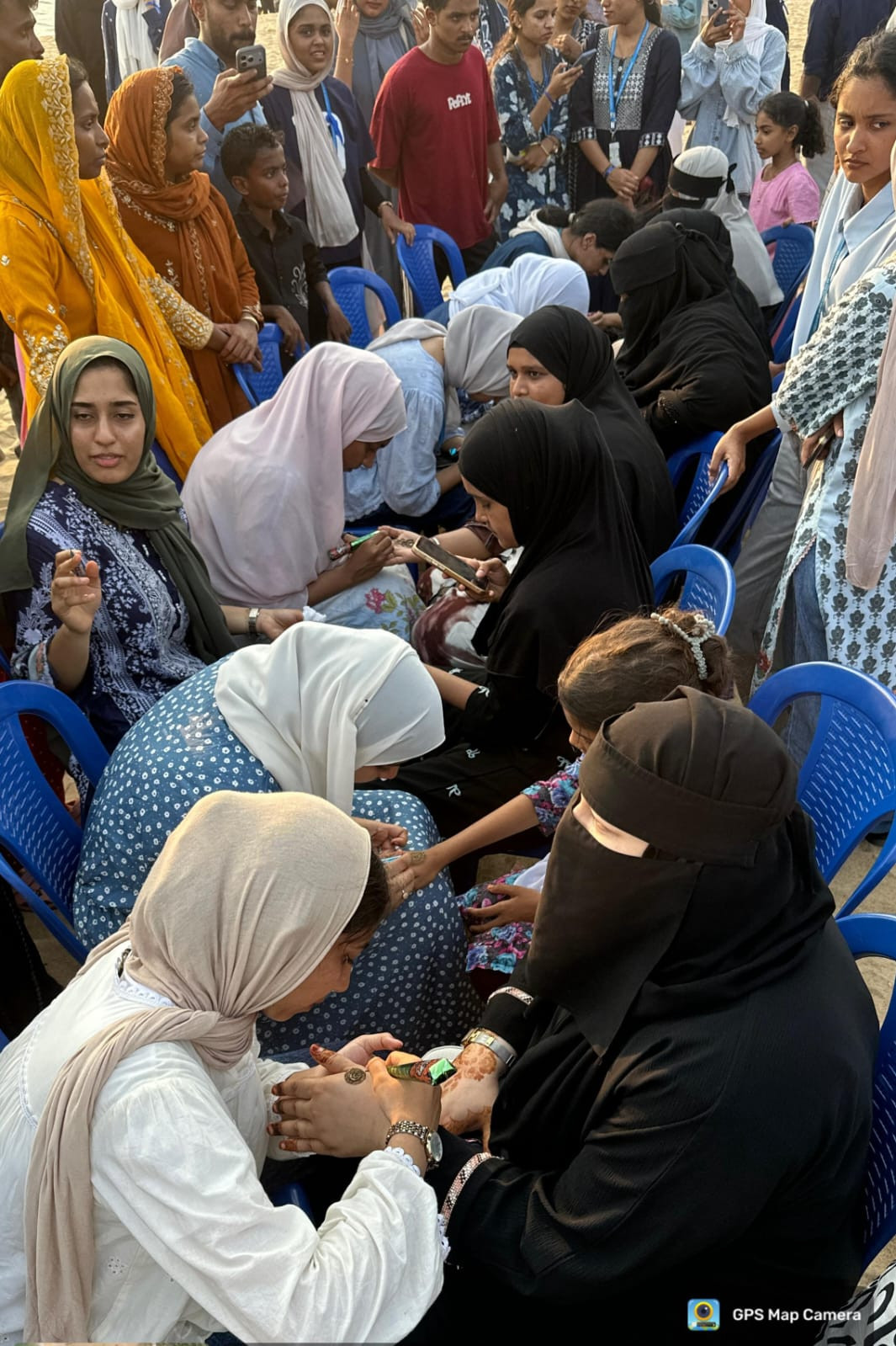
The event included activities such as flash mobs, street plays, face painting, mehendi, and direct interaction with the public.
These activities focused on highlighting early signs of autism, the need for early intervention, and the importance of inclusion and acceptance of individuals with autism.
The campaign reached around 300 to 500 members of the public. It also provided students with practical exposure to community-based rehabilitation and public health education.
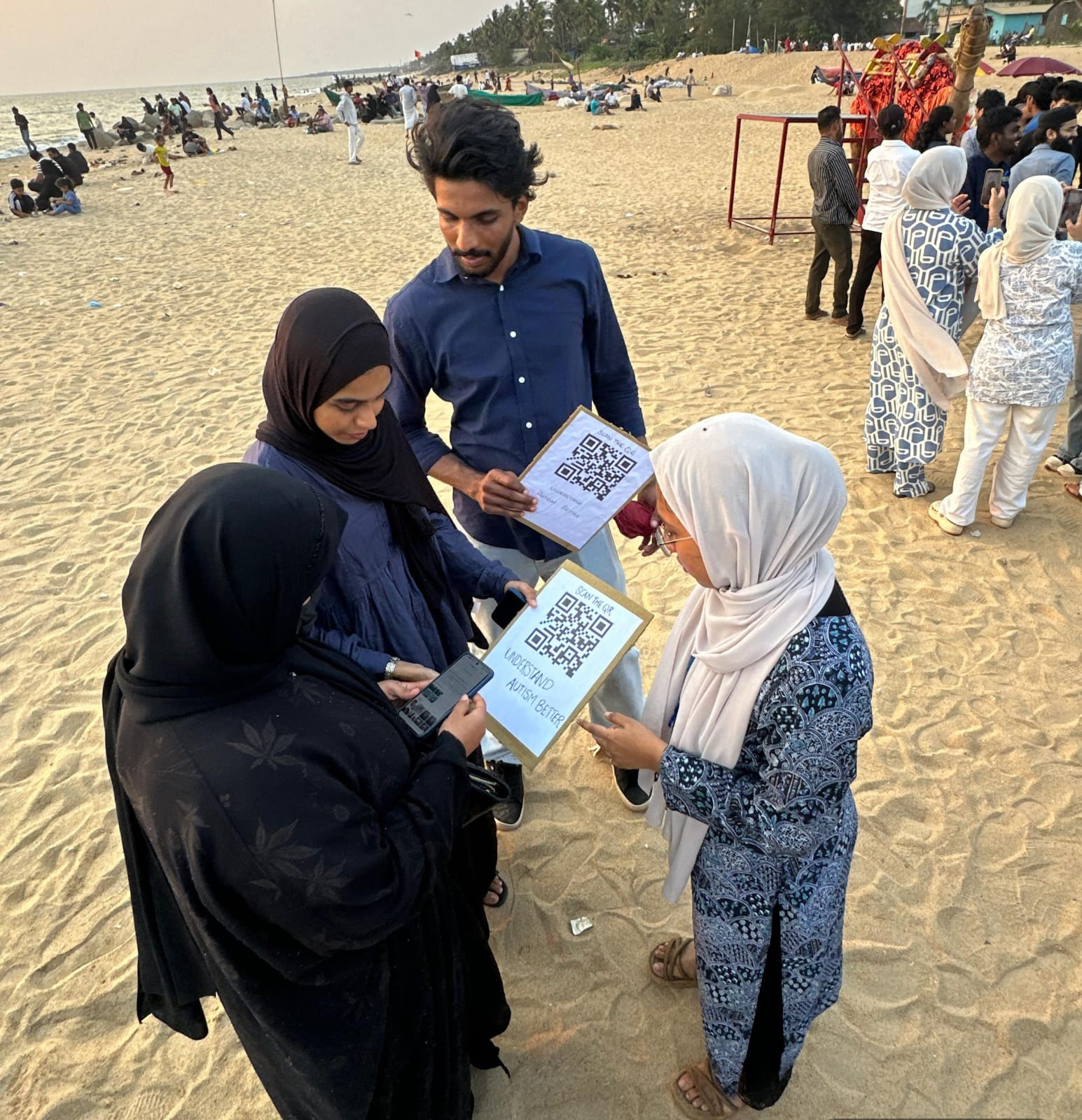
As part of the initiative, QR-based digital resources were introduced to help the public access reliable information on autism.
“Awareness is the first step towards inclusion, and early intervention can significantly improve outcomes,” the organising team said.
The department thanked the university for its support in organising the campaign. It also acknowledged the cooperation of the management of Fiza Mall and the Ullal Beach Police Department in facilitating the event.