Prices of 50 life-saving drugs likely to drop, including medicines for diabetes, blood pressure
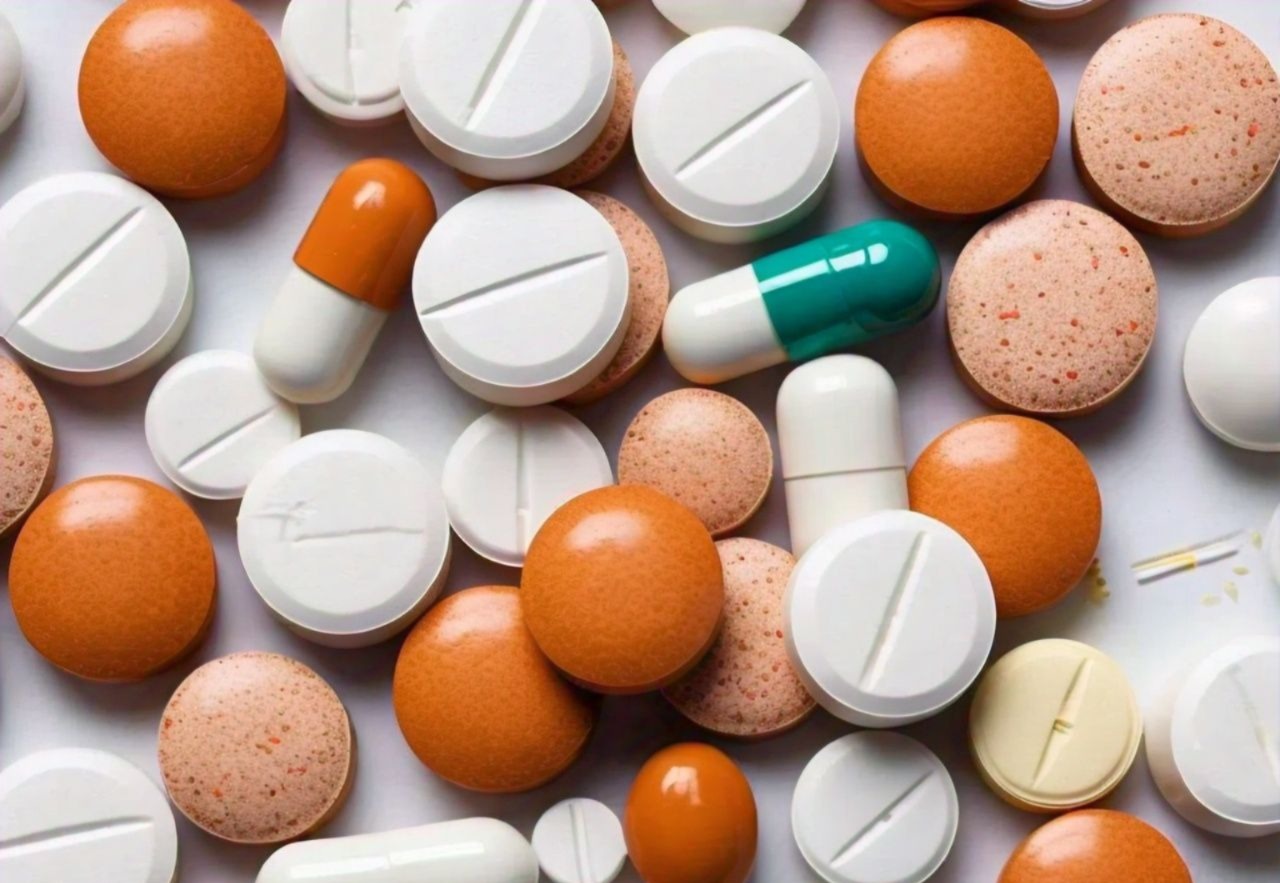
New Delhi: In what could offer significant financial relief to scores of patients, prices of around 50 essential medicines, including those used to treat diabetes, high blood pressure, cancer, and kidney disease, are likely to come down as the government considers reducing Goods and Services Tax (GST) on them, the Indian Medical Association (IMA) has reportedly claimed.
According to IMA members quoted by The New Indian Express, the apex body of private practitioners has submitted a list of these life-saving medicines to the GST Council and held consultations with officials on reclassifying them under the exempted category.
The proposal reportedly covers drugs used in the treatment of cancer, kidney disease, high cholesterol, tuberculosis, joint pain, and other chronic conditions. Currently, many of these medicines attract a GST of 12% to 18%.
“We have been pressing for this reduction for a long time. If accepted, it will significantly reduce out-of-pocket expenditure for patients,” TNIE quoted IMA national president Dr Dilip Bhanushali as saying.
The IMA has recommended zero tax on insulin, oral anti-diabetic drugs, antihypertensives, cardiac medicines, and treatments for chronic kidney disease, thyroid disorders, osteoporosis, asthma, and COPD. The association has also sought exemptions for intravenous immunoglobulin and medicines used to treat blood-related conditions such as haemophilia and myelodysplastic syndromes.
The GST Council is expected to deliberate on the proposal in its upcoming meeting. If approved, the revised tax structure could slash rates from 12% to 5%, with some rare disease medicines potentially being fully exempted, added the report.
“The council seemed affirmative. We are hopeful that the government will consider our proposal as these drugs help treat a large number of non-communicable disorders rampant in the Indian population. Reduction in their cost would provide great relief in out-of-pocket expenditure for patients,” Dr Bhanushali added.
He also welcomed the government’s move to reduce GST on cancer drugs, noting that it would ease the burden on patients undergoing costly therapies such as chemotherapy and immunotherapy.
Let the Truth be known. If you read VB and like VB, please be a VB Supporter and Help us deliver the Truth to one and all.
6 women dead, 8 persons injured as bus rams into van in Gujarat's Sabarkantha
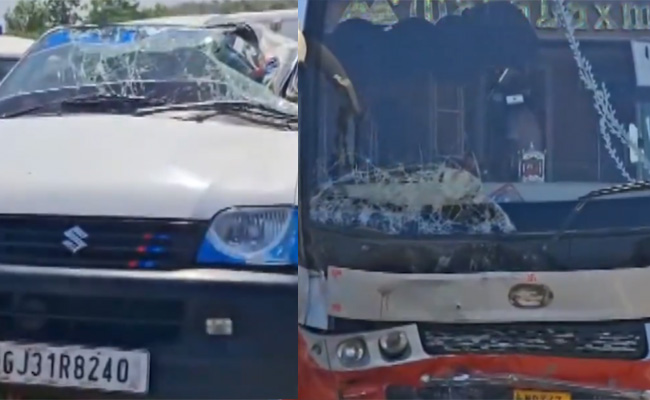
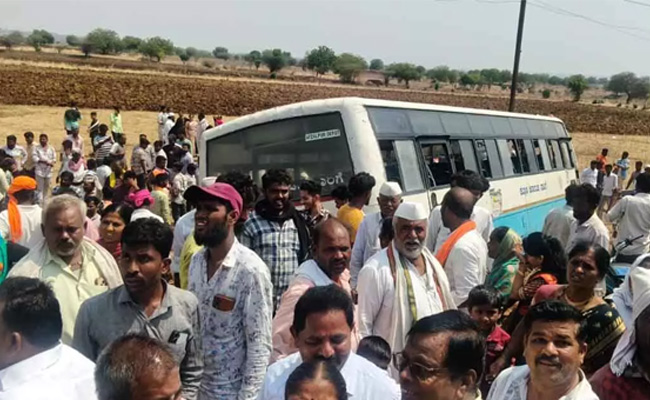
Sabarkantha (Gujarat) (PTI): Six women were killed and eight other persons injured after a private bus crashed into a van on a highway in Gujarat's Sabarkantha district on Wednesday, police said.
The van was ferrying women from Modasa in Aravalli district when a speeding bus hit it from behind on National Highway 48 connecting Shamlaji to Himmatnagar in the district, Deputy Superintendent of Police A K Patel said.
According to police, the women were part of a catering team for social events. They were travelling from Modasa in the neighbouring Aravalli district to Hunj village in Himmatnagar to attend a function when they met with the accident.
Six women passengers of the van were killed, Patel said.
Seven other women and the van driver suffered injuries, according to police.
The injured persons were rushed to the Himmatnagar civil hospital. The condition of two of them was critical, the hospital's medical officer, Dr Dhrupad Chauhan, said.
The bodies were sent to a government hospital for a postmortem.
VIDEO | Gujarat: Six persons were killed and four others injured after a private bus rammed into a van on a highway in Sabarkantha district on Wednesday, police said.
— Press Trust of India (@PTI_News) April 29, 2026
The van carrying passengers was on its way from Shamlaji to Himmatnagar when the speeding bus hit it from… pic.twitter.com/Gvr79LfCvi