Pro-hijab protest in Malegaon: 4 organisers booked for violating prohibitory orders
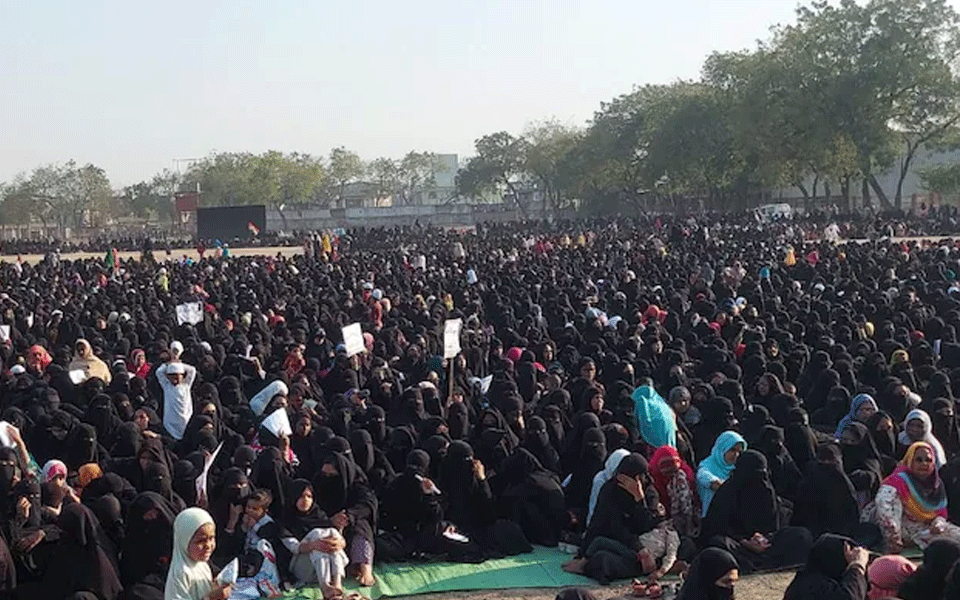
Mumbai(PTI): Police in Nashik in Maharashtra on Friday registered a case in connection with a 'hijab' protest by over 5,000 women a day earlier in Malegaon, some 270 kilometres from here, an official said.
The women wearing hijab in support of students being denied this right in some colleges in Karnataka had gathered on Thursday at Kallu stadium in Pawarwadi on the call of the Jamiat-e-Ulema, he said.
"The women also submitted a memorandum to the Sub Divisional Police Officer claiming hijab was part of their culture. Since prohibitory orders were violated during the protest, four Jamita-e-Ulema functionaries identified as Imtiyaz Ahmed Iqbal Ahmed, Abdul Malik, Mohammed Yasin and Mohammed Amin Mohammed Faruque have been booked," he said.
They have been charged under IPC sections 188, 269 and 270 and police have also issued notices to some more people in this connection, he added.
"Hijab Day has been organised in Malegaon on Friday, though police has not given permission for any gathering. Strict vigil is in place in the township to maintain law and order," the official said.
Meanwhile, in Amravati district, some 660 kilometres from Mumbai, a group of 18 women and five men submitted a memorandum to the collector there in support of the right to wear the hijab, an official said.
Let the Truth be known. If you read VB and like VB, please be a VB Supporter and Help us deliver the Truth to one and all.
Congress using hijab issue to pacify minority anger, alleges Karnataka LoP R Ashoka
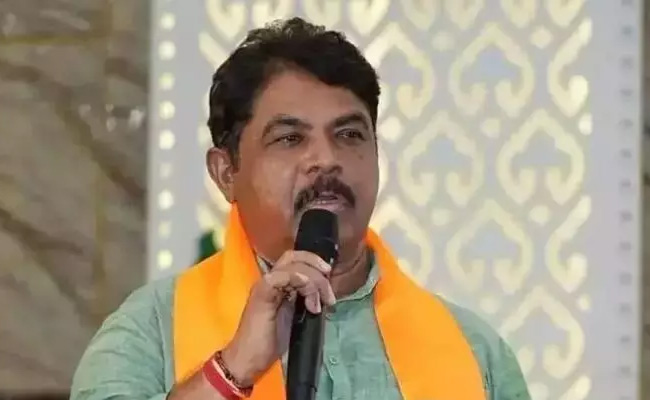
Bengaluru: Leader of Opposition in the Assembly R. Ashoka has accused the Congress government of using the hijab issue to placate what he described as discontent among minority voters after the Davanagere by-election.
In a post on X on Wednesday, Ashoka alleged that the state government, instead of addressing issues such as price rise, corruption, farmers’ distress and law and order, was attempting to retain its minority vote base by reviving the hijab issue.
Referring to the 2022 dress code introduced by the BJP government, which prohibited hijab in schools and colleges, Ashoka said the Karnataka High Court had upheld the policy and emphasised the importance of discipline in educational institutions.
He questioned the Congress government’s move to revisit the issue and asked whether setting aside the court-backed policy to benefit one community could be described as secularism.
Ashoka further alleged that while the government was willing to permit hijab, it continued to prohibit saffron shawls.
He accused the government of dividing students on religious lines rather than treating schools and colleges as spaces of equality.
Drawing a comparison with Mamata Banerjee’s government in West Bengal, Ashoka claimed that excessive appeasement politics had harmed the state and warned that the Congress in Karnataka could face a similar political response.
He said voters in Karnataka would teach the Congress a lesson for what he termed “vote-bank politics” and for compromising constitutional and judicial principles.