Prohibited walkie-talkies, e-waste hard disks imported from China seized by DRI, 2 held
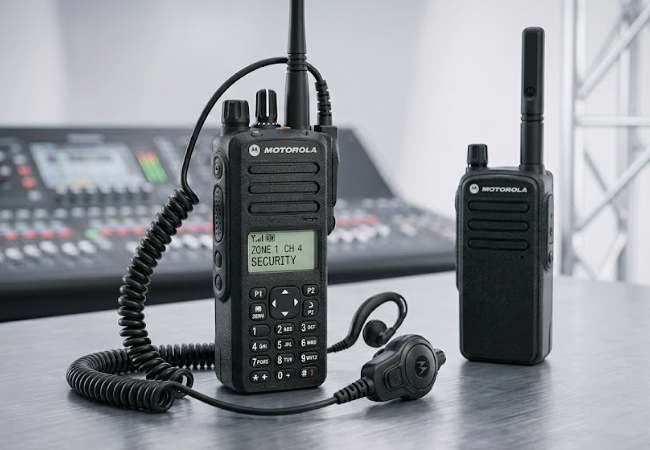
Mumbai (PTI): The Directorate of Revenue Intelligence (DRI) has seized 11,060 prohibited walkie-talkie sets and second-hand hard disk drives (HDDs) collectively valued at Rs 9.25 crore at Nhava Sheva Port, officials said on Saturday.
The owners of the two Mumbai firms which had imported these good without due permissions are a father-son duo, and both were arrested under the Customs Act, said an official release.
Based on specific intelligence, a team of DRI officials seized Baofeng BF-888S walkie-talkies worth Rs 2.50 crore, and second-hand HDDs (which are considered as e-waste) valued at Rs 6.75 crore.
The contraband was concealed among miscellaneous electronic items valued at Rs 21 crore. The entire consignment worth Rs 30.25 crore from eight containers shipped from China was seized for misdeclaration, officials said.
The Baofeng BF-888S walkie-talkies have been blacklisted by the Department of Telecommunications (DoT) for operating beyond permissible frequencies as they can be used for unauthorised communication, posing threat to national security. These devices require specific licences.
Second-hand HDDs too can not be imported without Directorate General of Foreign Trade's authorisation.
Let the Truth be known. If you read VB and like VB, please be a VB Supporter and Help us deliver the Truth to one and all.
Lebanon appoints new representative for talks with Israel, rejects linkage to Iran
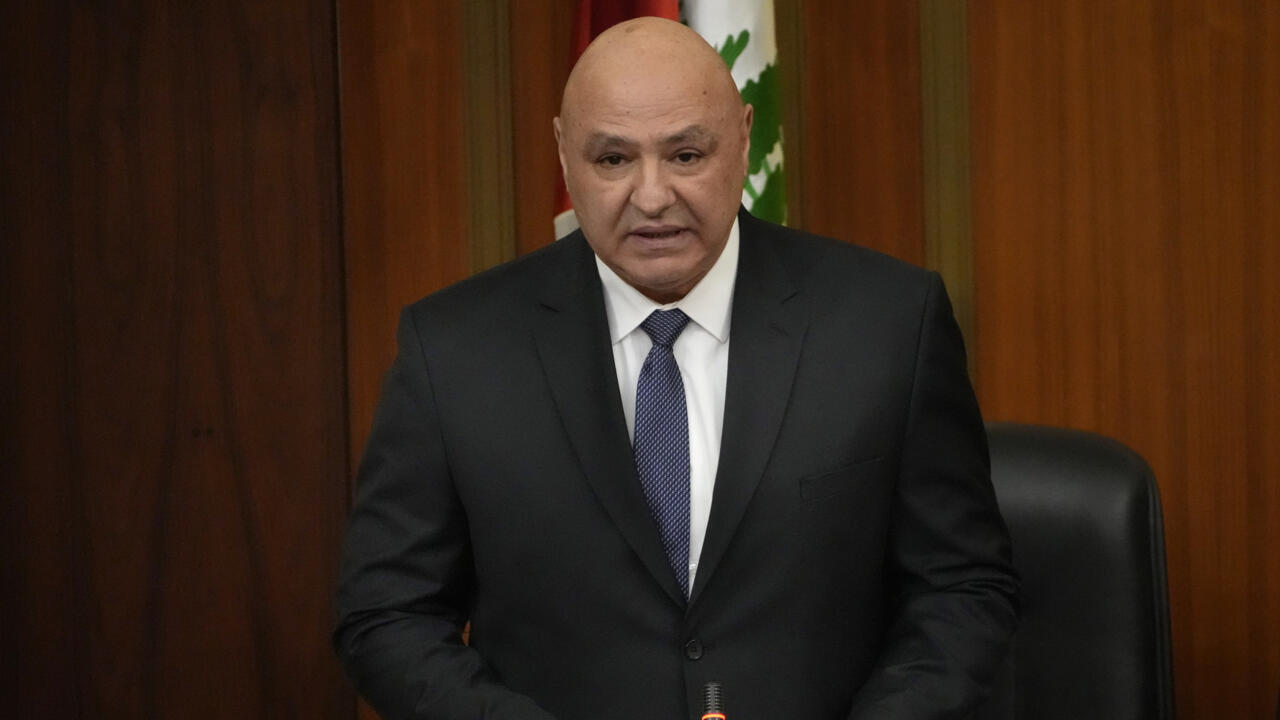
Beirut: Lebanon’s has moved to underline its independent position in ongoing regional developments, amid attempts to link the country to the broader conflict involving Iran, the United States and Israel.
President Joseph Aoun, while announcing the appointment of former US ambassador Simon Karam as Lebanon’s representative in talks with Israel, made it clear that Karam would be the sole representative for Lebanon and that there would be no substitute.
The move comes in response to what the Lebanese officials see as efforts by Iran to tie Lebanon’s situation to the wider regional conflict. Iran had indicated that there would be no ceasefire involving the US, Israel and Iran unless it also included a ceasefire in Lebanon.
Some groups, including Hezbollah and its supporters, had expressed support for linking the situations, citing concerns that the Lebanese government has limited leverage in negotiations with Israel. Lebanon is not formally a party to the conflict, and its army is considered weak.
However, others, including Prime Minister Nawaf Salam, have opposed this approach. They view Iran’s stance as an attempt to influence Lebanon’s internal affairs and see it as undermining the country’s sovereignty.
Officials backing the government’s position say the move is aimed at reaffirming Lebanon’s sovereignty and ensuring that decisions about peace and ceasefire within the country are not dictated externally.
They also see it as a safeguard, so that any breakdown in talks between the US, Israel and Iran does not automatically lead to renewed conflict in Lebanon.