Punjab, Haryana, Chandigarh on high alert, educational institutions shut along the border
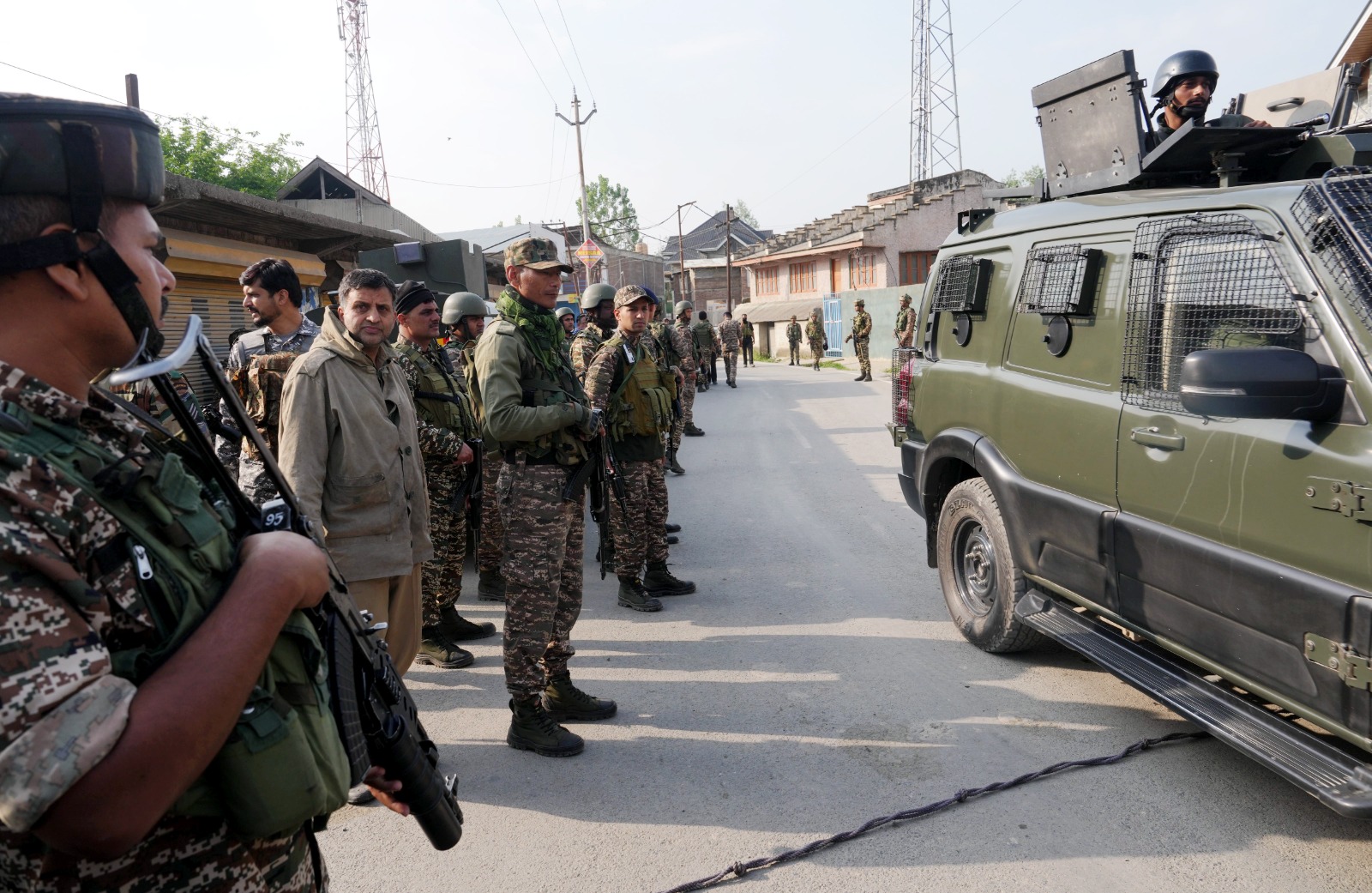
Punjab, Haryana, and Chandigarh Union Territory were on high alert after India's military action against terror infrastructure in Pakistan and Pakistan-occupied Kashmir. Including cancelling leave for police and health personnel, shutting down educational institutions, and enforcing night blackouts in vulnerable areas, authorities in the region have initiated all emergency protocols.
Punjab Education Minister Harjot Bains on Thursday announced the closure of all schools, colleges and universities, government, private and aided, across the state for three days as a precautionary measure. Leaves of all Punjab Police personnel were cancelled with immediate effect. Similar strategies were implemented in Haryana, where the police and health departments recalled all employees from leave to ensure continuous service and increased readiness.
National Health Mission directed the workers of Ayushman Arogya Mandirs (AAMs) and Urban Ayushman Arogya Mandirs (UAAMs) in Chandigarh to be put on emergency duty, and medical leave was suspended until further orders.
In Jalandhar, drones were reported to be neutralized around 11:20 p.m. by the security forces. A total blackout was announced at 8:30 p.m. in areas such as Amritsar, Fazilka, Rupnagar, Ludhiana, Hoshiarpur, Jalandhar, and Mohali.
Locals heard loud sounds and were instructed to remain indoors and switch off lights. Pathankot Deputy Commissioner Aditya Uppal instructed the citizens to strictly follow to the blackout procedures in order to maintain their safety.
Meanwhile, Sahibzada Ajit Singh Nagar (Mohali) district administration announced the territory a "No Flying Zone" for drones and UAVs up to July 5, as per Section 163 of the Bharatiya Nagrik Suraksha Sanhita, 2023. The restriction does not concern law enforcement agencies or other permitted government bodies.
Special emergency response units consisting of district administration members, police, and civil defence have been set in motion at all levels, starting from village to district, to take charge of any emerging crisis. Six Punjab border district schools, Amritsar, Pathankot, Fazilka, Gurdaspur, Tarn Taran, and Ferozepur, have already been closed as a precautionary measure.
Let the Truth be known. If you read VB and like VB, please be a VB Supporter and Help us deliver the Truth to one and all.
Maharashtra sets up state vaccination task force to strengthen immunisation programme

Mumbai (PTI): The Maharashtra government has set up a State Vaccination Task Force to strengthen the regular immunisation programme and review the progress of related campaigns, a health department official said on Monday.
The State Vaccination Task Force will comprise at least 29 members and will be headed by the administrative head of the health department, he informed.
The government has also constituted separate district-level and municipal vaccination task forces to improve implementation and address challenges at the grassroots level, he said.
Municipal task forces, chaired by respective civic commissioners, have been constituted in view of the vast urban population in Maharashtra and the role of civic bodies in implementing different health programmes.
The district-level task forces will function under the chairmanship of collectors.
"Complete immunisation of children at the appropriate age is an extremely simple, cost-effective and highly effective measure to reduce child mortality and the prevalence of diseases among kids. Immunisation is a powerful tool for reducing illness in children," maintained the official.
To ensure full vaccination of all children, the state government implements various campaigns from time to time as per the central government guidelines, he pointed out.
"Active participation and cooperation of other relevant government departments are essential (in making these campaigns successful)," according to the official.
The state-level body will review the regular immunisation programme, associated campaigns and vaccine-preventable diseases in detail. It will also conduct focused assessments of high-risk districts and municipal corporations, including vacancies at district, municipal and sub-district levels, availability of cold chain equipment, resource gaps and training requirements, he noted.
The state task force will review allocation and utilisation of funds for immunisation and ensure timely action by officers concerned based on reports from district and municipal task forces and state-level monitoring mechanisms, the official said.
It will also ensure active coordination and participation of other government departments in immunisation drives, while district and municipal task forces will carry out similar functions at their respective levels, the official added.