Punjab vigilance books Akali Dal leader
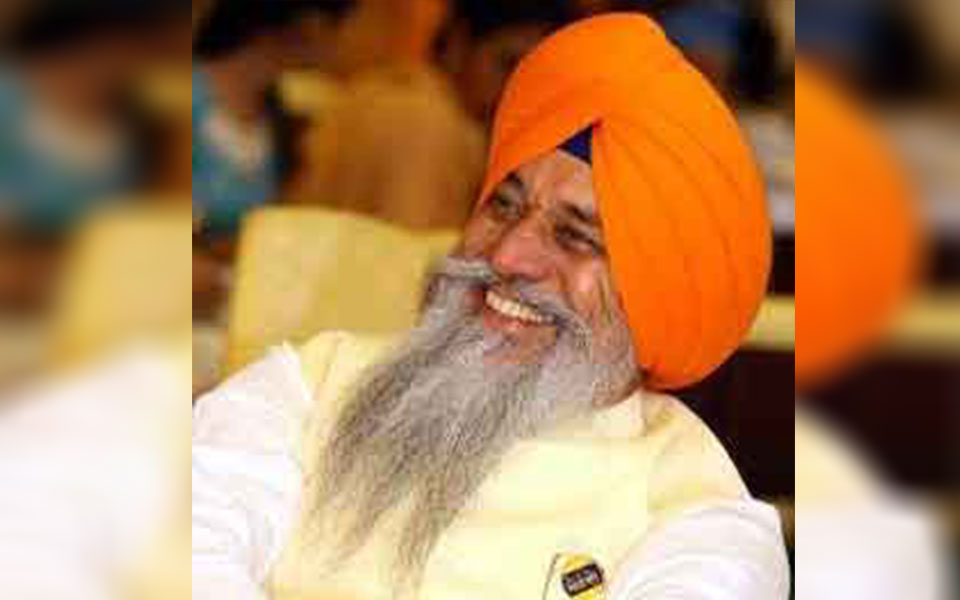
Chandigarh, July 1: The Punjab Vigilance Bureau on Sunday registered a case of disproportionate assets against senior Shiromani Akali Dal leader Dyal Singh Kolianwali.
A Bureau spokesman said that Kolianwali has been booked for amassing wealth beyond his known sources of income. He has been accused of allegedly misusing his official position.
Kolianwali, a former chairman of thew Punjab Agro Industries Corporation during the previous Akali Dal-BJP government and a former member of the Punjab Subordinate Service Selection Board (PSSSB), was considered close to the family of then Chief Minister Parkash Singh Badal.
However, the Akali Dal condemned the Congress government in Punjab for indulging in vendetta politics in this regard.
In a statement here, former minister and party spokesman Daljit Singh Cheema said the Congress government was in so much of a hurry to frame the SAD leader that it had not even bothered to give him an adequate chance to explain his sources of income to the relevant authorities.
"False charges have been levelled against Kolianwali by stating that he owns land in Uttarakhand and Rajasthan besides a hotel with the sole intention of defaming him in the eyes of the people. The government has even refused to take into account the detailed representation of properties and income submitted by Kolianwali to the income tax authorities," he said.
Cheema said that earlier also the Congress government misused the state police to register a false case against Kolianwali and his relatives.
Let the Truth be known. If you read VB and like VB, please be a VB Supporter and Help us deliver the Truth to one and all.
Stalin urges Centre to rollback commercial LPG price hike
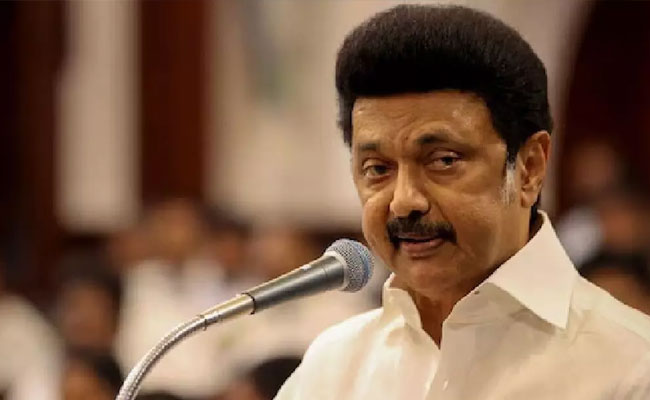
Chennai (PTI): Tamil Nadu Chief Minister M K Stalin on Friday demanded that the Centre immediately rollback the hike in commercial LPG cylinder prices. The price of commercial LPG was hiked by the steepest ever Rs 993 per 19-kg cylinder on May 1, marking the third straight monthly increase due to rising global energy prices linked to the West Asia conflict.
In his social media X platform, the DMK chief alleged that as predicted before the polls, the BJP-led union government has raised LPG prices immediately after the elections concluded.
"When global crude oil prices fell, the benefits were not passed on to the people, " he said, accusing the Centre of "using the West Asia war crisis as an excuse to raise the prices without regard for public welfare".
Calling for protection of the livelihood of the people, Stalin demanded an immediate rollback of the LPG price hike.
He asked the Centre to consider the people's suffering and find solutions.