Rahul Gandhi urges Modi to support women's reservation bill
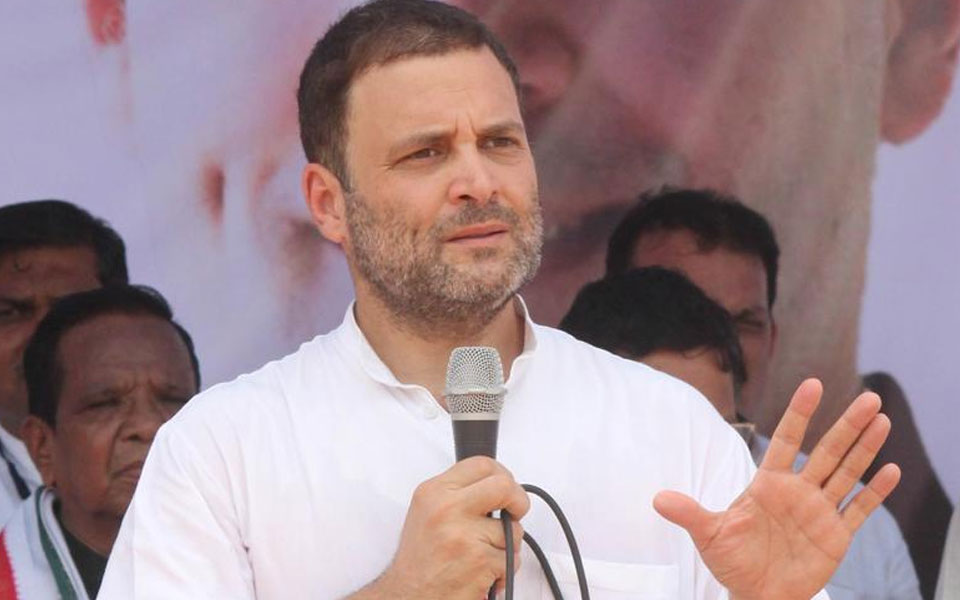
New Delhi, July 16 : Congress President Rahul Gandhi on Monday wrote to Prime Minister Narendra Modi to seek his support for the passage of the Womens Reservation Bill in Parliament's monsoon session, claiming that the BJP appears to have had second thoughts on the proposed law even though it was a key promise in its 2014 manifesto.
The Congress leader said that the bill -- passed by the Rajya Sabha in March 2010 -- has been stalled on one pretext or the other in the Lok Sabha for over eight years now.
Gandhi said that the bill holds the potential to transform the country's governance and any further delay will make it impossible to implement it before the 2019 Lok Sabha elections.
"I write to request (for) your support to ensure the passage of the Women's Reservation Bill in the coming monsoon session," he said. The monsoon session is slated to begin on July 18 and will continue till August 10.
"Given the fact that the BJP and its allies have a majority in the Lok Sabha, all this landmark (proposed) legislation requires to become a reality is your support. I am sure it will not be withheld," Gandhi said.
The bill seeks to reserve one third of the seats in the Lok Sabha and the state Assemblies for women.
Gandhi said that when the bill was passed in the Rajya Sabha with BJP support, then Leader of Opposition Arun Jaitley called it "historic and momentous".'
"Since then, while the Congress has been unwavering in its commitment to the bill, the BJP appears to have had second thoughts even though it was one of the party's key promises in the 2014 manifesto," Gandhi said.
The Congress chief said that Modi should point out to BJP sceptics opposed to its passage that the experience with governance at the panchayat and municipal levels has shown that women in leadership positions are more likely to take decisions that further the cause of an inclusive and just society.
Gandhi said that Modi had spoken about his passion for empowering women in many of his rallies in the past.
"What better way to demonstrate your commitment to the cause of women than by offering your unconditional support to the passage of the bill? And what better time than the coming session of Parliament? Any further delay will make it impossible to implement it before the next general elections," Gandhi said.
He said that the Congress had collected 3.2 million signatures in support of the bill.
"We submit these signatures to your care and humbly seek your support in ensuring that the bill is passed by Parliament so that women can participate more meaningfully in the next Lok Sabha polls and the state elections later this year."
The Congress leader called for a bipartisan approach on the issue of empowering women.
"Let us stand together, rise above party politics and send India a message that we believe that the time for change has come. Women must take their rightful place in our state legislatures and Parliament where they are at present abysmally represented," Gandhi said.
Our PM says he’s a crusader for women’s empowerment? Time for him to rise above party politics, walk-his-talk & have the Women’s Reservation Bill passed by Parliament. The Congress offers him its unconditional support.
— Rahul Gandhi (@RahulGandhi) July 16, 2018
Attached is my letter to the PM. #MahilaAakrosh pic.twitter.com/IretXFFvvK
Let the Truth be known. If you read VB and like VB, please be a VB Supporter and Help us deliver the Truth to one and all.
Remarks against St Francis Xavier: Right-wing speaker Gautam Khattar gets bail
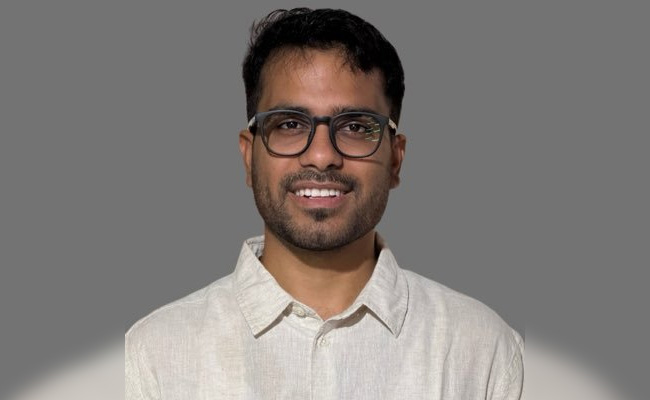
Panaji (PTI): A court in Goa on Saturday granted bail to right-wing speaker Gautam Khattar, who was arrested after he allegedly made derogatory comments against St Francis Xavier.
Judicial Magistrate First Class, Vasco, granted regular bail to Khattar, currently admitted to Goa Medical College and Hospital at Bambolim for treatment of chest pain after he was shifted from the District Hospital in Mapusa two days back.
A row erupted after a video of remarks by Khattar, the founder of Sanatan Mahasangh, at an event on April 18 in the presence of Swami Brahmeshanand, State Transport Minister Mauvin Godinho and BJP MLAs Sankulp Amonkar and Daji (Krishna) Salkar, went viral.
St Francis Xavier is revered as the patron saint of Goa.
The controversial remarks led to the Vasco Police registering an FIR against Khattar on charges of hurting religious sentiments and creating enmity between groups.
He was detained in Kullu, Himachal Pradesh, by local police. His custody was later handed over to the Goa Crime Branch, according to officials.