Rahul Gandhi's 'hydrogen bomb' a mere firecracker: Fadnavis
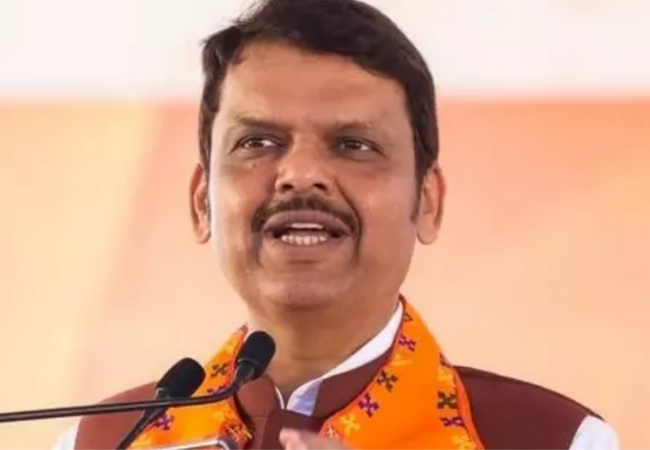
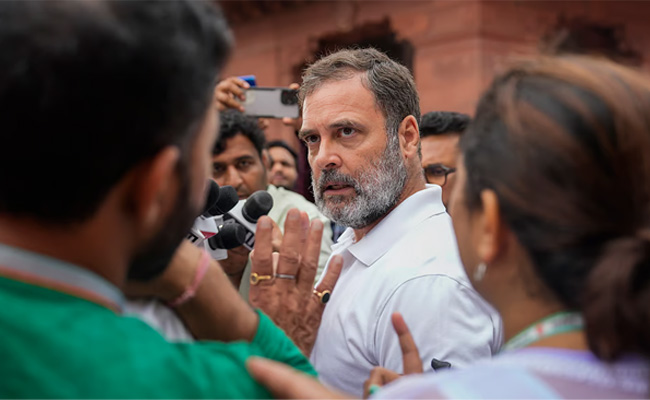
Nagpur (PTI): Maharashtra Chief Minister Devendra Fadnavis on Thursday said Congress MP Rahul Gandhi's "hydrogen bomb" remark over alleged vote theft has turned out to be just a "small firecracker".
Speaking to reporters in Nagpur, Fadnavis also said the Leader of Opposition in the Lok Sabha appears to be pursuing an agenda aligned with foreign forces that seek to destabilise India's democracy.
Gandhi recently said his party will soon come out with a "hydrogen bomb" of revelations about "vote chori".
At a press conference in Delhi on Wednesday, Gandhi put up a presentation, "The H-files", to allege that the 2024 Haryana assembly polls were "stolen". He cited electoral roll data to claim that 25 lakh entries were fake and the Election Commission colluded with the BJP to ensure its victory.
Asked about the Congress leader's vote theft allegations, Fadnavis said, "Gandhi's hydrogen bomb was a very weak bomb, actually, it was a small firecracker."
"What Rahul Gandhi is doing and his agenda are looking similar to international forces that do not want democracy to prevail in the country properly. These international forces are also trying to remove the people's trust in the country's democratic institutions, and Rahul Gandhi is doing the same thing," he said.
On Shiv Sena (UBT) head and former CM Uddhav Thackeray, who is touring Marathwada, criticising the Mahayuti government on the farm loan waiver issue, Fadnavis said people know such visits are in view of the upcoming (local body) polls.
"I am happy that Uddhav Thackeray is coming out, because he had not come out of the carpet (of his house) when he was the chief minister and farmers were in trouble. At least, now he has realised that one has to go to the people. However, people know that they (Uddhav Thackeray) are coming to them because of the upcoming elections," he said.
Elections in 246 municipal councils and 42 nagar panchayats in Maharashtra will take place on December 2.
Fadnavis said funds from the relief package announced by his government for farmers (affected by deluge in August-September) were being deposited in their accounts, hence, they (Thackeray) are not getting any support from the people.
The amounts for the remaining farmers left will be credited to their accounts soon, he said.
"I feel that no matter how much Uddhav Thackeray tries (referring to his tour) on the backdrop of the elections, he will not get any support from the people," the CM added.
Let the Truth be known. If you read VB and like VB, please be a VB Supporter and Help us deliver the Truth to one and all.
Lebanon appoints new representative for talks with Israel, rejects linkage to Iran
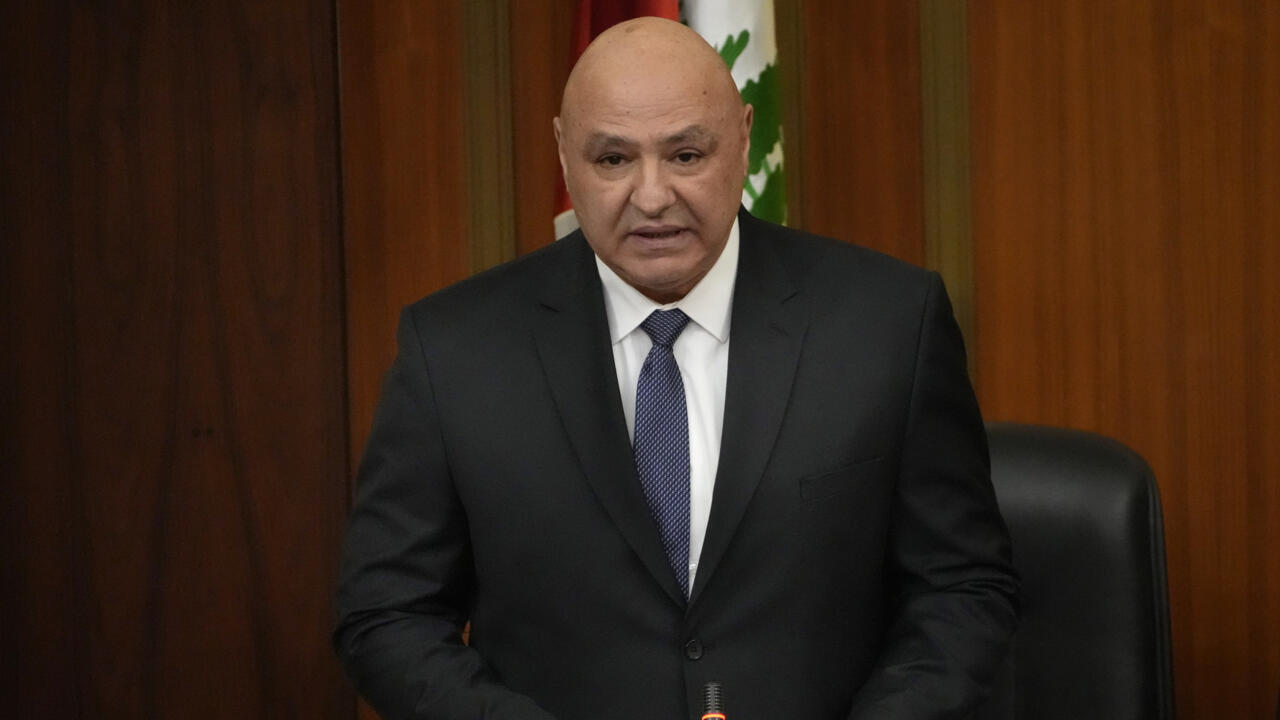
Beirut: Lebanon’s has moved to underline its independent position in ongoing regional developments, amid attempts to link the country to the broader conflict involving Iran, the United States and Israel.
President Joseph Aoun, while announcing the appointment of former US ambassador Simon Karam as Lebanon’s representative in talks with Israel, made it clear that Karam would be the sole representative for Lebanon and that there would be no substitute.
The move comes in response to what the Lebanese officials see as efforts by Iran to tie Lebanon’s situation to the wider regional conflict. Iran had indicated that there would be no ceasefire involving the US, Israel and Iran unless it also included a ceasefire in Lebanon.
Some groups, including Hezbollah and its supporters, had expressed support for linking the situations, citing concerns that the Lebanese government has limited leverage in negotiations with Israel. Lebanon is not formally a party to the conflict, and its army is considered weak.
However, others, including Prime Minister Nawaf Salam, have opposed this approach. They view Iran’s stance as an attempt to influence Lebanon’s internal affairs and see it as undermining the country’s sovereignty.
Officials backing the government’s position say the move is aimed at reaffirming Lebanon’s sovereignty and ensuring that decisions about peace and ceasefire within the country are not dictated externally.
They also see it as a safeguard, so that any breakdown in talks between the US, Israel and Iran does not automatically lead to renewed conflict in Lebanon.