Rahul takes injured scribe to AIIMS
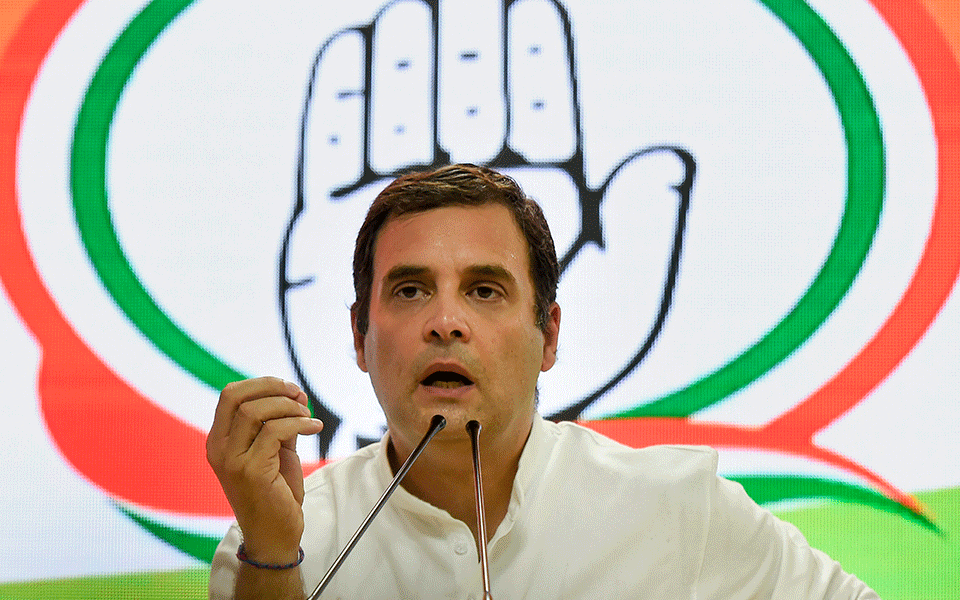
New Delhi, Mar 27: Exhibiting his humane side, Congress president Rahul Gandhi Wednesday took an injured journalist to AIIMS after he had a fall from his two-wheeler.
The Congress chief, who was on his way to the Indira Gandhi Indoor Stadium to address an OBC convention, saw local journalist Rajinder Vyas lying injured on the roadside near the Humayun Road.
Gandhi stopped his convoy and got the injured scribe into his vehicle and took him to AIIMS for treatment, eyewitnesses said.
Vyas had fallen off after his scooter skidded near a petrol pump on Humayun road, they said.
After dropping the injured journalist at AIIMS, Rahul then proceeded to the Indira Gandhi Indoor Stadium and addressed the gathering.
A video of the incident also went viral on social media.
True leadership is humanity; Congress President @RahulGandhi ji helping an injured Journalist who met with an accident on Humayun Road. Salute RG! pic.twitter.com/UZuN6yOD10
— Salman Nizami (@SalmanNizami_) March 27, 2019
Let the Truth be known. If you read VB and like VB, please be a VB Supporter and Help us deliver the Truth to one and all.
Maharashtra sets up state vaccination task force to strengthen immunisation programme
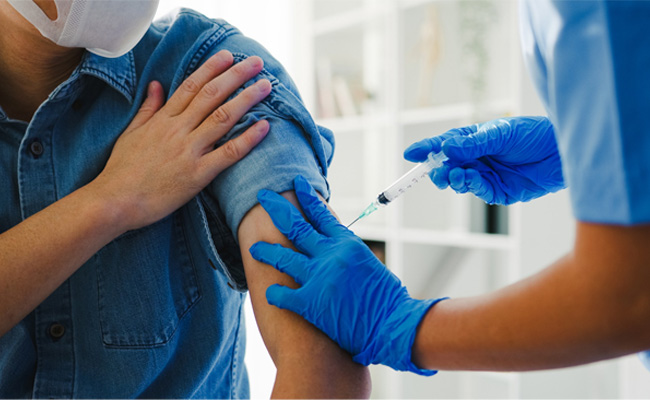
Mumbai (PTI): The Maharashtra government has set up a State Vaccination Task Force to strengthen the regular immunisation programme and review the progress of related campaigns, a health department official said on Monday.
The State Vaccination Task Force will comprise at least 29 members and will be headed by the administrative head of the health department, he informed.
The government has also constituted separate district-level and municipal vaccination task forces to improve implementation and address challenges at the grassroots level, he said.
Municipal task forces, chaired by respective civic commissioners, have been constituted in view of the vast urban population in Maharashtra and the role of civic bodies in implementing different health programmes.
The district-level task forces will function under the chairmanship of collectors.
"Complete immunisation of children at the appropriate age is an extremely simple, cost-effective and highly effective measure to reduce child mortality and the prevalence of diseases among kids. Immunisation is a powerful tool for reducing illness in children," maintained the official.
To ensure full vaccination of all children, the state government implements various campaigns from time to time as per the central government guidelines, he pointed out.
"Active participation and cooperation of other relevant government departments are essential (in making these campaigns successful)," according to the official.
The state-level body will review the regular immunisation programme, associated campaigns and vaccine-preventable diseases in detail. It will also conduct focused assessments of high-risk districts and municipal corporations, including vacancies at district, municipal and sub-district levels, availability of cold chain equipment, resource gaps and training requirements, he noted.
The state task force will review allocation and utilisation of funds for immunisation and ensure timely action by officers concerned based on reports from district and municipal task forces and state-level monitoring mechanisms, the official said.
It will also ensure active coordination and participation of other government departments in immunisation drives, while district and municipal task forces will carry out similar functions at their respective levels, the official added.