Rajasthan continues to reel under intense cold wave
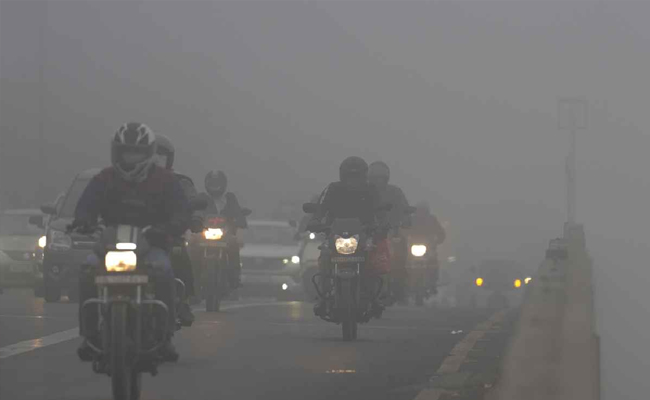
Jaipur (PTI): Rajasthan continued to reel under an intense cold wave as icy northwesterly winds swept across large parts of the state.
Fatehpur in the Sikar district remained the coldest place in the state on Wednesday night at 1.6 degrees Celsius, followed by Nagaur at 1.9 degrees.
ALSO READ: ISRO launches its heaviest satellite on ‘Bahubali’ rocket
Lunkaransar in Bikaner recorded 3.5 degrees Celsius. Dausa recorded a minimum of 4.4 degrees, Churu 4.9 degrees and Alwar 5 degrees Celsius, according to the Met department. Vanasthali in Tonk recorded a minimum of 5.2 degrees Celsius, while Pali and Jhunjhunu stood at 5.7 degrees each. Pilani recorded 5.8 degrees and Ajmer 6.5 degrees Celsius.
In Jaipur, chilly winds pushed the temperature down to 8.8 degrees Celsius, while Jaisalmer recorded 10.9 degrees and Pratapgarh 12.4 degrees Celsius.
Meanwhile, tea stalls did brisk business while bonfires were seen at several public places on Wednesday night and Thursday morning as residents struggled to cope with the chill.
The Met department said cold wave conditions are likely to continue, with night temperatures expected to remain below normal at several places over the next few days.
Let the Truth be known. If you read VB and like VB, please be a VB Supporter and Help us deliver the Truth to one and all.
Tamil Nadu Assembly Results: CM M.K. Stalin loses in Kolathur constituency
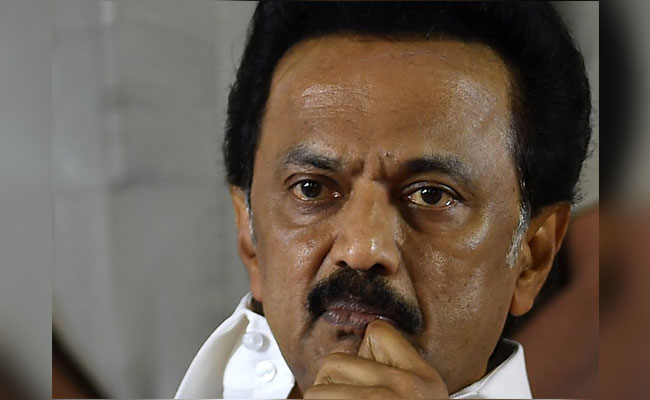
Chennai: In the Tamil Nadu Assembly election results, Chief Minister M.K. Stalin has lost in the Kolathur constituency.
TVK party candidate Babu defeated Stalin by over 7,000 votes.