Rajasthan: Minor dalit boy thrashed for ‘entering temple’
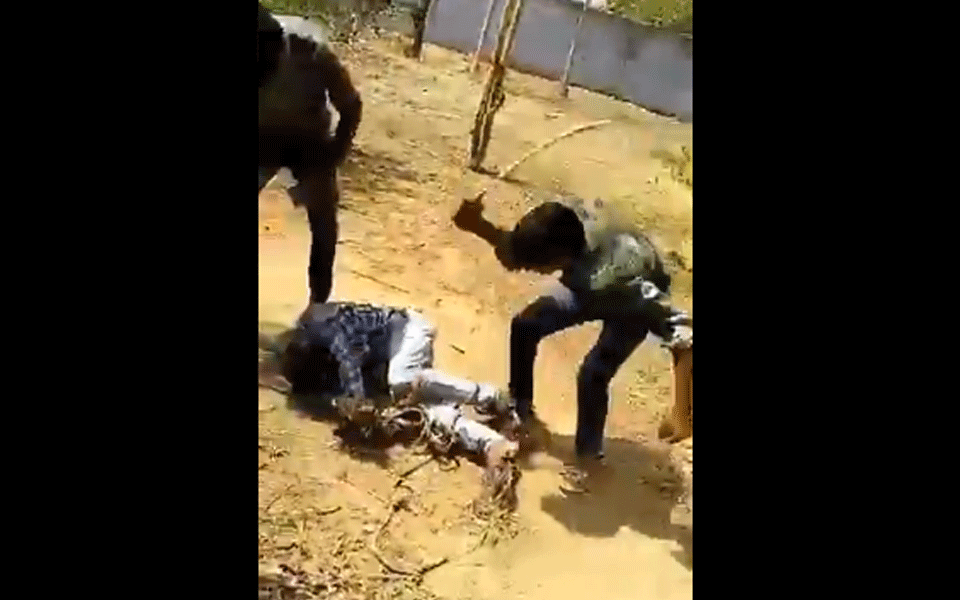
New Delhi : Four men, allegedly belonging to the privileged caste, were arrested by the Rajasthan Police on Wednesday, 5 June, for brutally beating up a 17-year-old minor Dalit boy in Pali’s Dhaneriya village.
The incident took place on 1 June and according to media reports, the boy was beaten up for trying to enter a temple. The video, in which the men can be seen thrashing the tied-up minor boy, has gone viral.
#BREAKING राजस्थान के जिला पाली गाॅव धनेरिया मे दलित नाबालिग लङके को इतनी बेरहमी से पीटा की मन विचलित हो उठा।
— The Dalit Voice (@ambedkariteIND) June 3, 2019
इस लङके की गलती सिर्फ इतनी है कि यह गाँव के मन्दिर पर चढ़ गया था !
भगवा गमछा ङाले युवक नजर आ रहा है बताया जा रहा है कि वह भाजपा का कार्यकर्ता हैpic.twitter.com/4kT4olJA1y
However, according to the Pali police, the boy was allegedly caught in a compromising position with the daughter of the temple’s priest following which the priest accused him of molesting his daughter.
Speaking to The Quint, Anand Sharma, Superintendent of Police, Pali, said that the boy was taken into custody after the priest registered a case against him and the girl (who is also minor) gave a statement that the boy tried to force himself on her.
Sharma added that the boy was detained and sent to the juvenile board. He also said that the boy didn’t mention that he was thrashed by these men when he was detained.
Meanwhile, ANI quoted the police as saying that a case was registered under the POCSO (Protection of Children from Sexual Offences) Act against the boy.
"After probe, he has been sent to a juvenile protection home. A viral video has come to light where locals are seen beating him, they've been taken on remand," the police said.
“The video went viral on 4 June after which we arrested the men who beat this boy up,” Anand Sharma further told The Quint.
courtesy: thequint.com
Let the Truth be known. If you read VB and like VB, please be a VB Supporter and Help us deliver the Truth to one and all.
Defamatory post against Dharmasthala Veerendra Heggade: Case registered against Girish Mattannavar
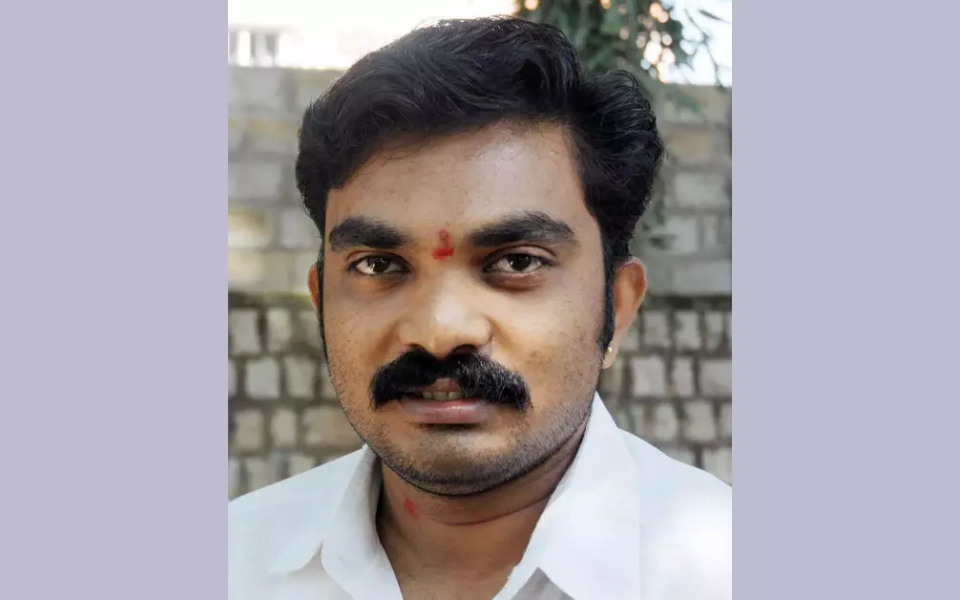
Belthangady: A case has been registered at Dharmasthala police station against Girish Mattannavar over a complaint regarding alleged defamatory posts on social media against Dr. D. Veerendra Heggade, Dharmadhikari of Sri Kshetra Dharmasthala.
The complaint was filed by Subrahmanya Prasad, a resident of Dharmasthala.
The complainant stated that Mattannavar posted content on Instagram making allegations against Dr. Heggade and allegedly affecting his reputation.
Based on the complaint, a case was registered under Section 353(2) of the Bharatiya Nyaya Sanhita (BNS), which is related to spreading false information, rumours, or alarming news, on April 18, and the investigation is in progress.
Following information about Mattannavar’s appearance at the SIT office on May 7, a police officer from Dharmasthala police station issued a notice directing him to appear at the station within a week.