Ram temple will be constructed by 2025: RSS
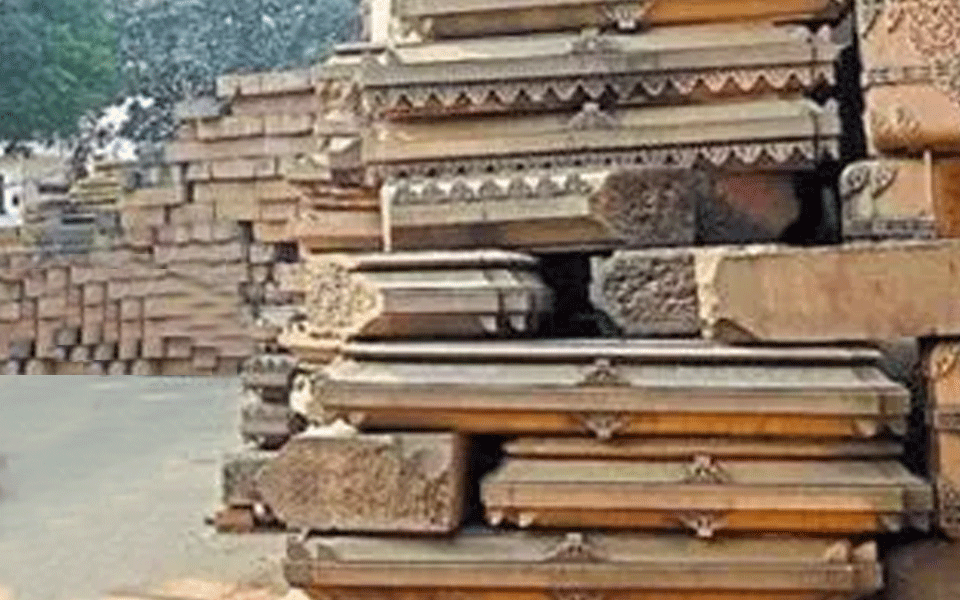
New Delhi, Jan 18: RSS executive head Bhaiyyaji Joshi has expressed confidence that the Ram temple will be constructed in Ayodhya by the time of next 'Kumbh' in 2025, the Sangh said in a statement on Friday.
In a bid to "contextualise" the comments, the RSS in a statement issued by spokesperson Arun Kumar said Joshi had made these remarks on Thursday at the ongoing Kumbh in Prayag Raj in Uttar Pradesh.
"When Kumbh is again held after six years in 2025, the construction of Ram temple, which is a symbol of India's national honour, will be completed and the nation will move towards prosperity," the spokesperson quoted Joshi as saying.
Joshi, who is number two in the hierarchy of the Sangh, made these remarks at the time when its allied organisation VHP is demanding the government to enact a law which paves the way for construction of temple in Ayodhya.
The Ram Janmabhoomi-Babri Masjid land dispute is scheduled for hearing on January 29 in the Supreme Court.
In Varanasi, Telecom Minister Manoj Sinha said that not just the BJP but the majority people of this country wants Ram temple to be built in Ayodhya at the earliest.
Sinha said the government will build the temple as per the guidelines laid down in the Constitution.
Let the Truth be known. If you read VB and like VB, please be a VB Supporter and Help us deliver the Truth to one and all.
Rickelton's ton in vain as SRH beat MI by 6 wickets
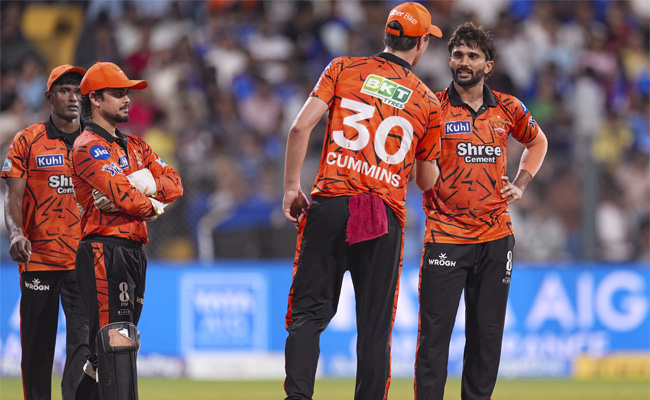
Mumbai (PTI): Ryan Rickelton's whirlwind unbeaten ton was overshadowed by Heinrich Klaasen's unbeaten 65 as Sunrisers Hyderabad defeated Mumbai Indians by six wickets in an IPL match here on Wednesday.
Chasing an imposing 244-run target, Travis Head (76 off 30) and Abhishek Sharma (45 off 24) shared 129 runs for the opening wicket to set the platform for SRH.
Klaasen (65 not out off 30 balls) then displayed his all-round hitting abilities to guide SRH home with the help of Nitish Kumar Reddy (21) and Salil Arora (30 not out off 10) in 18.4 overs.
Earlier, Rickelton's knock powered MI to 243 for five.
MI rode on a 93-run stand between Rickelton (123 not out off 55 balls) and Will Jacks (46 off 22) in 7.1 overs for the opening stand to power the side.
MI skipper Hardik Pandya scored a valuable 31 off 15 balls before being dismissed.
Praful Hinge (2/54), Eshan Malinga (1/29), Sakib Hasan (1/39) and Nitish Kumar Reddy (1/31) were the wicket-takers for SRH.
Brief Scores:
Mumbai Indian: 243 for 5 in 20 overs (Ryan Rickelton 123 not out; Praful Hinge 2/54).
Sunrisers Hyderabad: 249 for 4 in 18.4 overs (Travis Head 76, Heinrich Klaasen 65 not out; AM Ghazanfar 2/51).