RBI cuts repo rate by 0.25% to boost growth; home, auto loan to come down
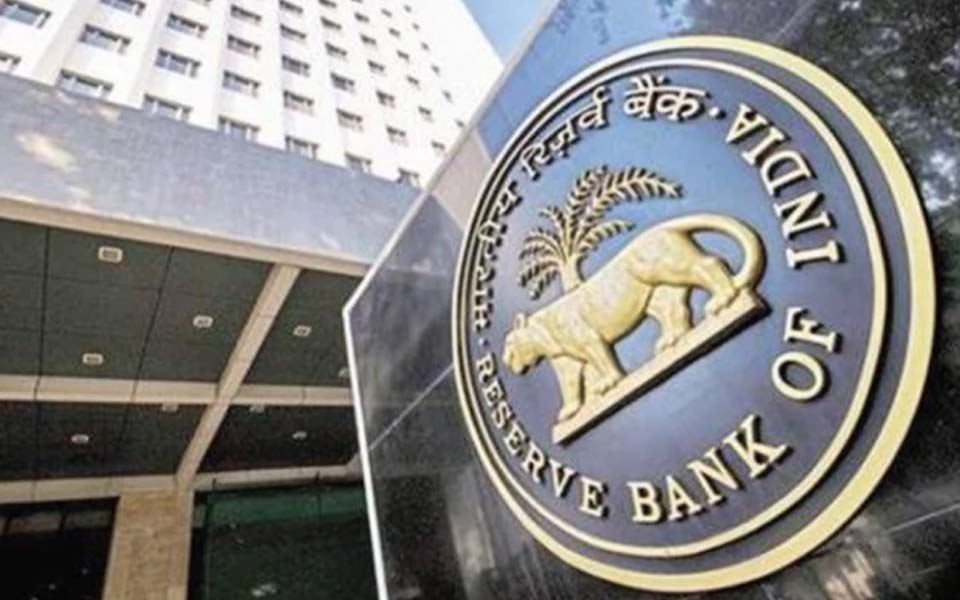
Mumbai, Oct 4: The Reserve Bank on Friday cut its benchmark lending rate by 0.25 per cent to revive growth that has hit six-year low of 5 per cent, and affirmed commitment to remain accommodative to address growth concerns 'as long as necessary'.
With this cut, repo rate, at which it lends to the system, will now come down to 5.15 per cent and push consumption during the ongoing festival season.
This will help reduce borrowing costs for home and auto loans, which are now directly linked to this benchmark.
This is the fifth straight cut in rates by the Reserve Bank of India in as much policy reviews in 2019, and takes the total quantum of reductions to 1.35 per cent.
In the fourth bi-monthly review of the policy, the RBI sharply reduced its GDP growth estimate to 6.1 per cent for FY20 as against 6.9 per cent it was expecting earlier.
This cut came in the wake of June quarter growth slipping to six year low of 5 per cent, which is attributed to a slowdown in consumption, lack of new investments by the industry and also a slump in global economy.
"...the MPC (monetary policy committee) decided to continue with an accommodative stance as long as it is necessary to revive growth, while ensuring that inflation remains within the target," the resolution of the six-member panel headed by RBI Governor Shaktikanta Das said.
All the six members voted for a rate cut at the end of the three-day meeting, with Ravindra Dholakia voting for a 0.40 per cent reduction in rates.
On inflation, which is the key mandate of the RBI with the target of 4 per cent in the medium term, the MPC moved up the September quarter expectations "slightly upwards" to 3.6 per cent, but retained its projection for the second half of this fiscal at 3.5-3.7 per cent.
The half-yearly Monetary Policy Report presented along with the policy review suggested that inflation will remain within the target levels till early part of FY21.
On reviving growth, the MPC welcomed the recent moves by the government as the ones in right direction, but the resolution did not have any reference to fiscal deficit or fiscal management, which is generally deemed to have an inflationary impact.
"Several measures announced by the Government over the last two months are expected to revive sentiment and spur domestic demand, especially private consumption," it said.
Risks on the 6.1 per cent GDP growth estimate are "evenly balanced", it said.
On the farm sector, the MPC resolution said, "prospects of agriculture have brightened considerably, positioning it favourably for regenerating employment and income, and the revival of domestic demand".
The RBI also noted that the monetary policy transmission of the past actions has been "staggered and incomplete", and said that as against the cumulative reduction of 1.10 per cent, banks have passed on only 0.29 per cent to the borrowers, if we were to go by the weighted average lending rate.
Given the concerns on growth and inflation remaining within the target levels, a majority of analysts were expecting the RBI to cut rates at the review.
Despite the surge in the onion prices, the headline inflation for August had come at 3.8 per cent leading to expectations of a rate cut. Das had also recently said the prospect of benign inflation during the remainder of FY20 gives it the room to cut rates.
As the RBI has compelled banks to align all their retail loans to external benchmarks, and a majority of lenders have adopted the repo rate as the benchmark, the cut will likely bring cheer to borrowers.
On the regulation and supervision front, the RBI decided to increase the household limits for micro-lenders' borrowers, and also raise the cap to Rs 1.25 lakh per eligible borrower from the previous Rs 1 lakh.
Let the Truth be known. If you read VB and like VB, please be a VB Supporter and Help us deliver the Truth to one and all.
Man arrested with Rs 2.54-crore heroin in Mumbai

Mumbai (PTI): Police have arrested a man and seized over 500 grams of heroin worth Rs 2.54 crore in the illicit market from him in Mumbai, officials said on Friday.
The police's Anti-Narcotics Cell (ANC) made the drug seizure in Santacruz in the western suburbs. The operation was conducted by the Kandivali unit of the ANC on Thursday as part of a special crackdown against drug trafficking in the area, they said.
Acting on specific inputs, an ANC team conducted a raid in Santacruz (East) and intercepted a man. During a search, the team recovered 508 grams of high-grade heroin from his possession, an official said.
The seized contraband, a highly addictive, opioid drug derived from morphine, is estimated to be worth Rs 2.54 crore in the international market, he informed.
Following the seizure, a case was registered against the man under relevant sections of the Narcotic Drugs and Psychotropic Substances (NDPS) Act, 1985, and he was formally placed under arrest in the early hours of Friday.
The police are currently investigating the source of the drug and trying to identify the intended recipients of the consignment, he said.