Retail inflation hits 8-year high of 7.79pc in Apr on costlier fuel, food items
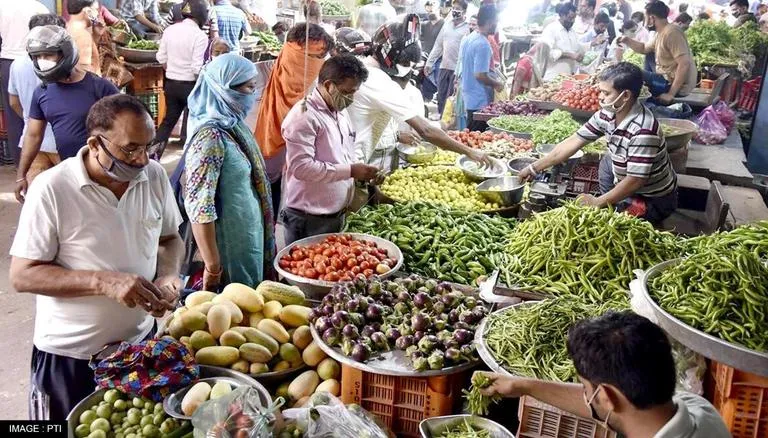
New Delhi, May 12: Driven by rising food and fuel prices, retail inflation soared to an eight-year high of 7.79 per cent in April this year, which may prompt the Reserve Bank to go in for another interest rate hike in the next month policy review to tame price rise.
Worried over the rising inflation, the RBI in a surprise move raised the repo rate by 40 basis points to 4.40 per cent last week. Inflation has remained above the RBI's comfort zone of 6 per cent for four months in a row mainly due to the Russia-Ukraine war which has impacted the prices of commodities across the globe.
The previous high in the consumer price index (CPI)-based retail inflation was recorded at 8.33 per cent in May 2014.
CPI inflation was 6.95 per cent in March this year and 4.23 per cent in April 2021.
Inflation in the food basket rose to 8.38 per cent in April from 7.68 per cent in the preceding month and 1.96 per cent in the year-ago month, showed the data released by National Statistical Office (NSO) on Thursday.
The rate of price rise in 'fuel and light' category in the retail inflation basket quickened to 10.80 per cent in April this year from 7.52 per cent in the preceding month.
In the 'oils and fats' category, inflation remained at an elevated level of 17.28 per cent (18.79 per cent in March 2022) during the month, as Ukraine is one of the major sunflower oil producers in the world and India imports a major portion of the commodity from the war-ravaged country.
Besides, Ukraine is a key supplier of fertiliser to India.
Vegetables witnessed an inflation print of 15.41 per cent during the month as against 11.64 per cent in March, the data showed.
Notably, retail inflation has remained above 6 per cent since January 2022. The Reserve Bank of India has been mandated by the government to ensure that inflation remains at 4 per cent with a margin of 2 per cent on either side.
After the off-cycle Monetary Policy Committee (MPC) meeting of RBI last week, RBI Governor Shaktikanta Das had said the adverse effects of the unprecedented high global food prices due to the ongoing geopolitical situation are reflecting in the domestic market as well, and going forward inflationary pressures are likely to continue.
Meanwhile, according to sources, the central bank is likely to raise inflation projections in the MPC meeting due next month. It may also consider a rate hike to tame inflation which is above its comfort level.
Earlier this month, the MPC raised the key policy rate (repo) by 40 basis points with an aim to tame the rising inflation. It was the first rate hike after August 2018.
"The surge in the CPI inflation has clearly justified the off-cycle rate hike last week, and significantly raised the likelihood of a back-to-back rate increase in June 2022.
"We see a higher base softening the May 2022 CPI inflation print, although it will remain above 6.5 per cent," Aditi Nayar, Chief Economist, ICRA said.
Let the Truth be known. If you read VB and like VB, please be a VB Supporter and Help us deliver the Truth to one and all.
Congress using hijab issue to pacify minority anger, alleges Karnataka LoP R Ashoka
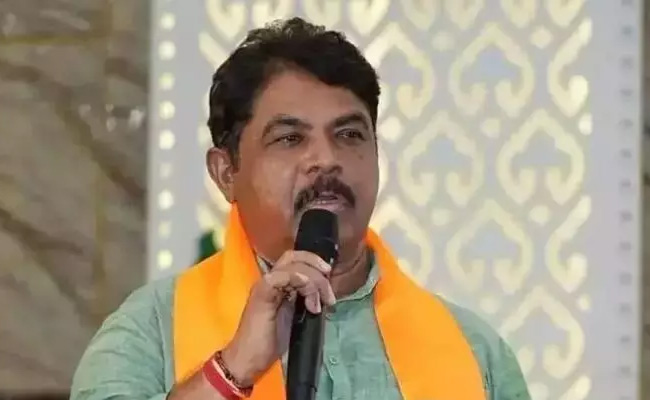
Bengaluru: Leader of Opposition in the Assembly R. Ashoka has accused the Congress government of using the hijab issue to placate what he described as discontent among minority voters after the Davanagere by-election.
In a post on X on Wednesday, Ashoka alleged that the state government, instead of addressing issues such as price rise, corruption, farmers’ distress and law and order, was attempting to retain its minority vote base by reviving the hijab issue.
Referring to the 2022 dress code introduced by the BJP government, which prohibited hijab in schools and colleges, Ashoka said the Karnataka High Court had upheld the policy and emphasised the importance of discipline in educational institutions.
He questioned the Congress government’s move to revisit the issue and asked whether setting aside the court-backed policy to benefit one community could be described as secularism.
Ashoka further alleged that while the government was willing to permit hijab, it continued to prohibit saffron shawls.
He accused the government of dividing students on religious lines rather than treating schools and colleges as spaces of equality.
Drawing a comparison with Mamata Banerjee’s government in West Bengal, Ashoka claimed that excessive appeasement politics had harmed the state and warned that the Congress in Karnataka could face a similar political response.
He said voters in Karnataka would teach the Congress a lesson for what he termed “vote-bank politics” and for compromising constitutional and judicial principles.