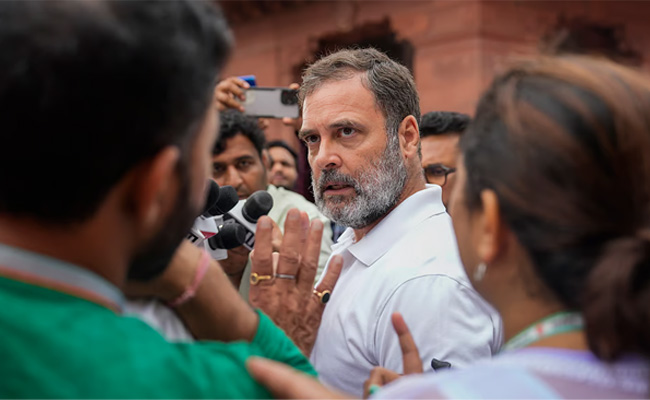
RJD, Cong have soft corner for infiltrators, dislike for Lord Ram because of vote bank, alleges PM
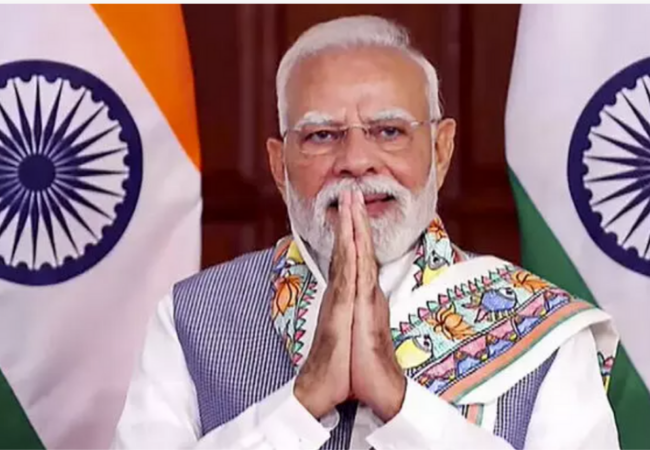
Araria (PTI): Prime Minister Narendra Modi on Thursday charged the opposition RJD-Congress combine in Bihar with having a soft corner for infiltrators, but "dislike" for Lord Ram and 'Chhathi Maiya' because of vote bank politics.
Addressing a rally in Araria district, Modi also alleged that the reluctance of opposition leaders to visit Ayodhya to have 'darshan' of shrines dedicated to Nishad Raj, Mata Shabri and Maharshi Valmiki was indicative of their "hatred" for Dalits and backward classes.
"Bihar saw zero development during the 15 years of 'jungle raj'. No highways and bridges were built, nor any centres of higher learning were set up. The NDA under the leadership of Chief Minister Nitish Kumar has worked very hard to bring the state out of that era," he said.
"Today, Bihar has so many expressways, bridges over rivers, as many as four central universities and other centres of higher learning. Only the NDA can ensure that this journey towards growth continues uninterrupted," he added.
Modi said the NDA faces a big challenge on this journey of growth, which is the menace of infiltration.
"The NDA is committed to driving out each and every infiltrator from the country. But the Congress-RJD offer them protection, take out political yatras in their favour and come up with misleading narratives," alleged the PM in an indirect reference to Leader of the Opposition Rahul Gandhi's 'Voter Adhikar Yatra' and allegations of "vote theft".
"Whenever the RJD-Congress achieve power, they try to give back-door entry to infiltrators. They do so because of vote bank politics. But this takes a toll on the people of this country. The infiltrators claim a share in all that belongs to the citizens," he added.
Modi also said vote bank politics has filled the opposition leaders with contempt for traditions.
"The naamdaar of Congress (Gandhi) called the devotion to Chhathi Maiya a drama. They never visit Ayodhya to have a darshan of Lord Sri Ram," he said.
"I understand their dislike for Lord Ram. But they can at least pay obeisance at the shrines dedicated to Nishad Raj, Shabri Mata and Maharshi Valmiki. Their reluctance to do so only indicates their hatred for Dalits and backward classes," he alleged.
The PM, who spoke for nearly 40 minutes, began his speech with a reference to voting that was underway in 121 out of 243 assembly segments in the first phase of elections.
"I have seen wonderful pictures of voters turning up in large numbers at polling booths. The enthusiasm is visible among the young and the old alike. I urge all those who may not have cast their votes till now to do so at the earliest," he said.
"You must realise the power that your one vote holds. Your ancestors had cast one vote each to usher in social justice in Bihar. Then it was again through the power of the same one vote, that 'jungle raj', which afflicted the state for 15 years, ruining the lives of an entire generation, was driven out," he said.
Modi reiterated that 'katta' (country-made weapons), 'kroorta' (cruelty), 'katuta' (bitterness), 'kushasan' (misgovernance) and corruption were the hallmarks of the 15-year-long 'jungle raj'.
"The 'jungle raj wallahs' (leaders of lawlessness) used to lord over you, their swagger indicative of an attitude that revealed their mindset of considering themselves the masters of the people. Modi believes in a different set of values. He considers the people as his masters (mai-baap), as his own family," he said.
The PM also claimed that infighting was on between the Congress and the RJD, and "after elections, all these INDI Alliance partners will be seen breaking each other's heads".
"The fight between the RJD and Congress has reached such a level that now their deputy CM candidate is speaking up against 'jungle raj'," he said.
Let the Truth be known. If you read VB and like VB, please be a VB Supporter and Help us deliver the Truth to one and all.
Lebanon appoints new representative for talks with Israel, rejects linkage to Iran
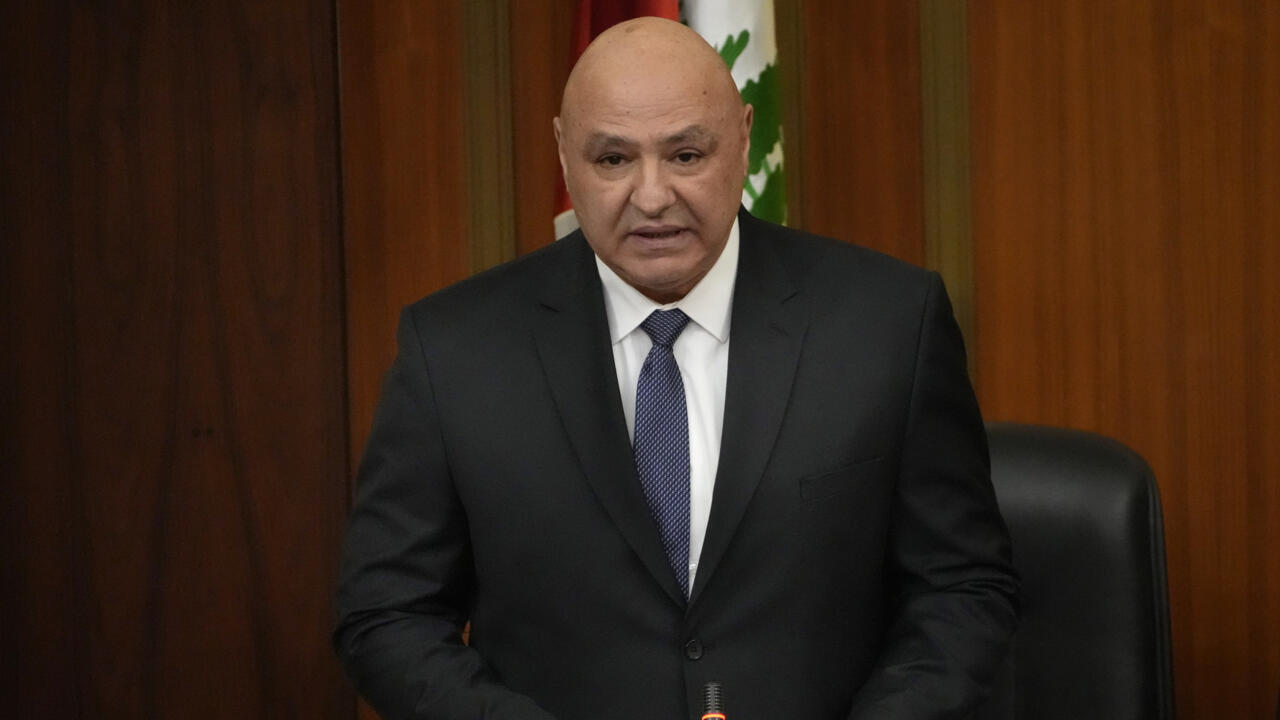
Beirut: Lebanon’s has moved to underline its independent position in ongoing regional developments, amid attempts to link the country to the broader conflict involving Iran, the United States and Israel.
President Joseph Aoun, while announcing the appointment of former US ambassador Simon Karam as Lebanon’s representative in talks with Israel, made it clear that Karam would be the sole representative for Lebanon and that there would be no substitute.
The move comes in response to what the Lebanese officials see as efforts by Iran to tie Lebanon’s situation to the wider regional conflict. Iran had indicated that there would be no ceasefire involving the US, Israel and Iran unless it also included a ceasefire in Lebanon.
Some groups, including Hezbollah and its supporters, had expressed support for linking the situations, citing concerns that the Lebanese government has limited leverage in negotiations with Israel. Lebanon is not formally a party to the conflict, and its army is considered weak.
However, others, including Prime Minister Nawaf Salam, have opposed this approach. They view Iran’s stance as an attempt to influence Lebanon’s internal affairs and see it as undermining the country’s sovereignty.
Officials backing the government’s position say the move is aimed at reaffirming Lebanon’s sovereignty and ensuring that decisions about peace and ceasefire within the country are not dictated externally.
They also see it as a safeguard, so that any breakdown in talks between the US, Israel and Iran does not automatically lead to renewed conflict in Lebanon.