Rupee rises 8 paise to 88.62 against US dollar in early trade
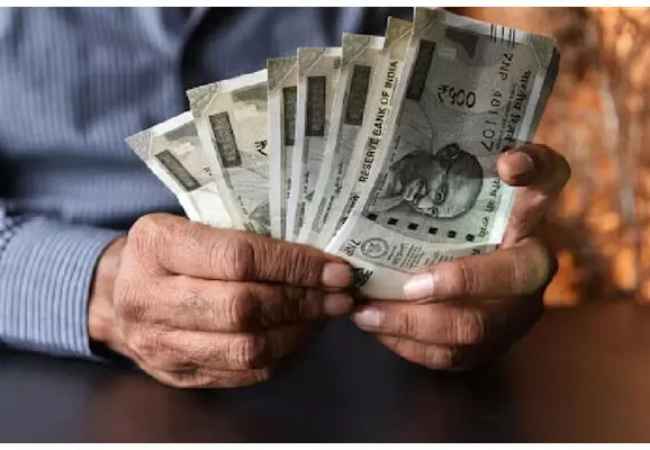
Mumbai (PTI): The rupee appreciated 8 paise to 88.62 against the US dollar in early trade on Thursday amid a weak American currency and lower level of crude oil prices overseas.
Positive sentiment in domestic equity markets also supported the Indian currency even though selling pressure from foreign investors prevented a sharp gain, forex traders said.
At the interbank foreign exchange, the rupee opened at 88.51 and went up to 88.49 before trading at 88.62 against the greenback in early deals, up 8 paise from its previous closing level.
The domestic unit had settled with a gain of 7 paise at 88.70 against the dollar on Tuesday. The foreign exchange markets were closed on Wednesday on account of the Prakash Gurpurab holiday.
Meanwhile, the dollar index, which gauges the greenback's strength against a basket of six currencies, fell 0.16 per cent to 99.90.
Brent crude, the global oil benchmark, rose marginally by 0.17 per cent to USD 63.63 per barrel in futures trading.
In the domestic equity market, Sensex climbed 321.81 points or 0.39 per cent to 83,780.96 in early trade while Nifty rose 57.05 points or 0.22 per cent to 25,654.70.
Foreign institutional investors sold equities worth Rs 1,067.01 crore on Tuesday, according to exchange data.
Let the Truth be known. If you read VB and like VB, please be a VB Supporter and Help us deliver the Truth to one and all.
Lebanon appoints new representative for talks with Israel, rejects linkage to Iran
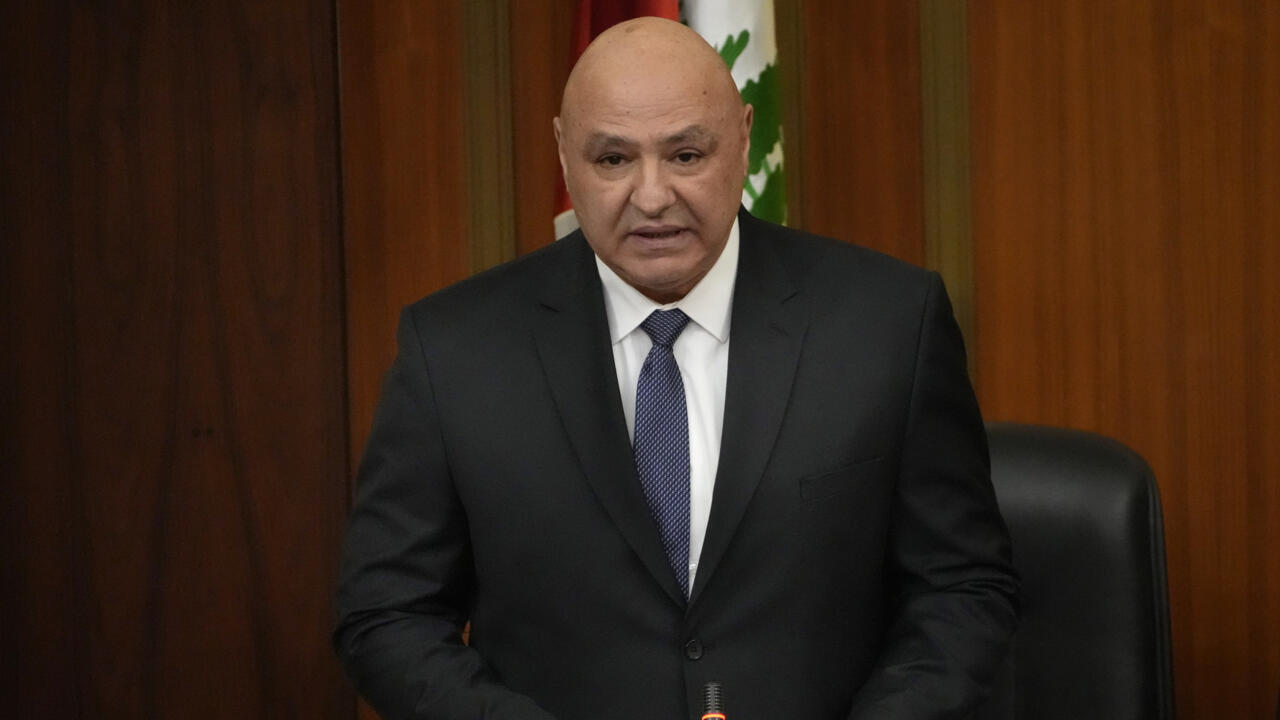
Beirut: Lebanon’s has moved to underline its independent position in ongoing regional developments, amid attempts to link the country to the broader conflict involving Iran, the United States and Israel.
President Joseph Aoun, while announcing the appointment of former US ambassador Simon Karam as Lebanon’s representative in talks with Israel, made it clear that Karam would be the sole representative for Lebanon and that there would be no substitute.
The move comes in response to what the Lebanese officials see as efforts by Iran to tie Lebanon’s situation to the wider regional conflict. Iran had indicated that there would be no ceasefire involving the US, Israel and Iran unless it also included a ceasefire in Lebanon.
Some groups, including Hezbollah and its supporters, had expressed support for linking the situations, citing concerns that the Lebanese government has limited leverage in negotiations with Israel. Lebanon is not formally a party to the conflict, and its army is considered weak.
However, others, including Prime Minister Nawaf Salam, have opposed this approach. They view Iran’s stance as an attempt to influence Lebanon’s internal affairs and see it as undermining the country’s sovereignty.
Officials backing the government’s position say the move is aimed at reaffirming Lebanon’s sovereignty and ensuring that decisions about peace and ceasefire within the country are not dictated externally.
They also see it as a safeguard, so that any breakdown in talks between the US, Israel and Iran does not automatically lead to renewed conflict in Lebanon.