Russia expects India's support when UNSC takes up resolution on Ukraine: CDA Babushkin
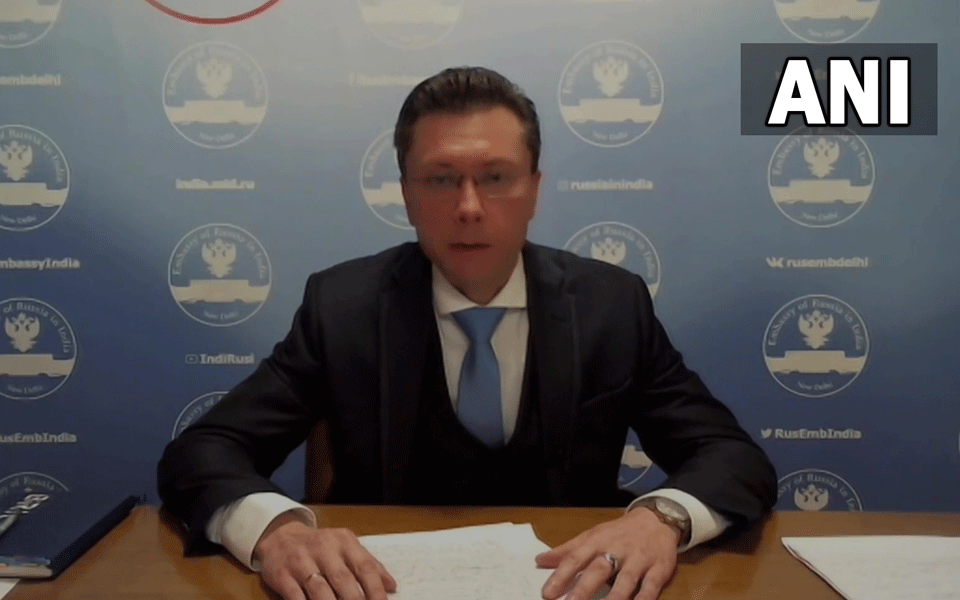
New Delhi(PTI): Russia on Friday said it expects support from India at the UN Security Council when the global body takes up a crucial resolution on the Russian military operation in Ukraine.
Russia's Charge d'affaires Roman Babushkin said India has a deep understanding of the reasons that led to the current situation in Ukraine and Moscow is looking for continued support from New Delhi in sync with the special and privileged strategic partnership between the two countries.
The UN Security Council is scheduled to vote on Friday evening on a draft resolution on Russia's military operation in Ukraine as well as the escalating situation in the eastern European country.
"We highly appreciate India's deep understanding of the current situation as well as the reasons that led to it. We expect India to support Russia at the UN Security Council," Babushkin told PTI.
The draft resolution is set to condemn in the strongest terms Russia's military operation in Ukraine that has triggered strong outrage among the Western powers.
Appreciating India's position, the Russian diplomat also referred to External Affairs Minister S Jaishankar's comments three days back in Paris that the situation in Ukraine has its roots in the post-Soviet politics and the expansion of the North Atlantic Treaty Organization (NATO).
"India's position has been very balanced and independent. We appreciate it and we continue to expect India's support in sync with the special and privileged strategic partnership between the two countries," Babushkin said.
When asked at a media briefing on Thursday about India's position on the draft UN Security Council resolution on the Ukraine crisis, Foreign Secretary Harsh Vardhan Shringla said India has seen it and that New Delhi's stand will depend on the final shape of its text.
"I am told that it would undergo considerable changes. We will wait to see the shape that the resolution takes before we can pronounce ourselves and the position that we will take on the issue," the foreign secretary said.
The Russian Charge d'affaires said Russia has been in constant touch with India over the latest developments relating to Ukraine.
"We are maintaining all communication with India and it has a proper understanding of the overall situation," he said.
In the midst of the escalating situation in Ukraine, Prime Minister Narendra Modi held a telephonic conversation with President Vladimir Putin on Thursday during which he appealed for ending violence, and called for concerted efforts from all sides to return to the path of diplomatic dialogue.
A Russian readout said Putin outlined the fundamental assessments of Ukraine's "aggressive actions" against the civilian population of Donbas as well as the many years of "destructive policy" aimed at breaking the Minsk agreements.
Jaishankar too held a phone conversation with his Russian counterpart Sergey Lavrov and underlined that dialogue and diplomacy are the best way forward to deal with the crisis.
Babushkin said the Western powers and the current Ukrainian government were responsible for the Russian action against Ukraine as they never heeded to Russia's security concerns as well as legitimate interests of the people of Donetsk People's Republic (DPR) and the Luhansk People's Republic (LNR) in Ukraine.
Let the Truth be known. If you read VB and like VB, please be a VB Supporter and Help us deliver the Truth to one and all.
Congress using hijab issue to pacify minority anger, alleges Karnataka LoP R Ashoka
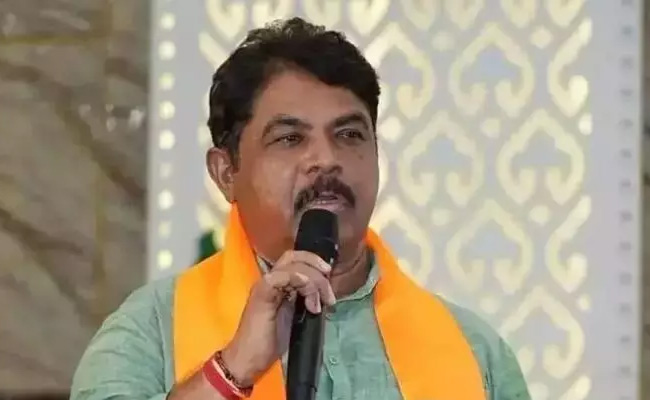
Bengaluru: Leader of Opposition in the Assembly R. Ashoka has accused the Congress government of using the hijab issue to placate what he described as discontent among minority voters after the Davanagere by-election.
In a post on X on Wednesday, Ashoka alleged that the state government, instead of addressing issues such as price rise, corruption, farmers’ distress and law and order, was attempting to retain its minority vote base by reviving the hijab issue.
Referring to the 2022 dress code introduced by the BJP government, which prohibited hijab in schools and colleges, Ashoka said the Karnataka High Court had upheld the policy and emphasised the importance of discipline in educational institutions.
He questioned the Congress government’s move to revisit the issue and asked whether setting aside the court-backed policy to benefit one community could be described as secularism.
Ashoka further alleged that while the government was willing to permit hijab, it continued to prohibit saffron shawls.
He accused the government of dividing students on religious lines rather than treating schools and colleges as spaces of equality.
Drawing a comparison with Mamata Banerjee’s government in West Bengal, Ashoka claimed that excessive appeasement politics had harmed the state and warned that the Congress in Karnataka could face a similar political response.
He said voters in Karnataka would teach the Congress a lesson for what he termed “vote-bank politics” and for compromising constitutional and judicial principles.