Santishree Pandit appointed first woman Vice Chancellor of JNU
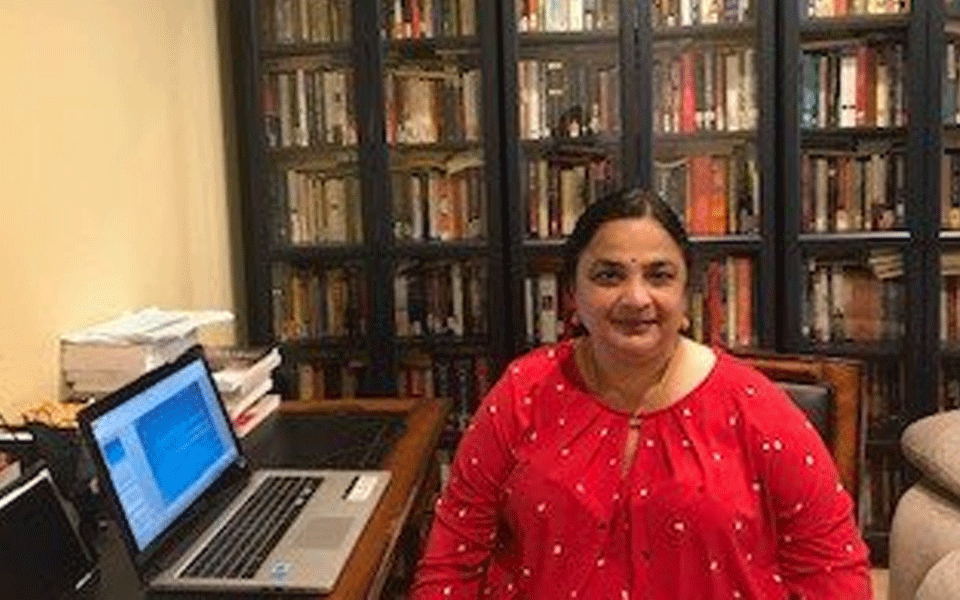
New Delhi(PTI): Santishree Dhulipudi Pandit will be the first woman Vice Chancellor of Jawaharlal Nehru University with the Ministry of Education (MoE) appointing her to the top post on Monday.
Pandit is currently the Vice Chancellor of Savitribai Phule University in Maharashtra. The 59-year-old Pandit is also an alumna of JNU where she pursued her MPhil as well as PhD in International Relations.
"President Ram Nath Kovind, who is Visitor to the University, has approved the appointment of Santishree Dhulipudi Pandit as JNU Vice Chancellor. Her appointment is for a period of five years," a senior MoE official said.
Pandit began her teaching career from Goa University in 1988 and moved to Pune University in 1993. She has held administrative position in various academic bodies. She has also been a member of the University Grants Commission (UGC), the Indian Council of Social Science Research (ICSSR) and Visitor's nominee to central universities.
In her career she has guided 29 PhDs.
M Jagadesh Kumar, who was holding the charge of acting VC at JNU after his five year term ended last year, was last week appointed as the chairman of the UGC.
Let the Truth be known. If you read VB and like VB, please be a VB Supporter and Help us deliver the Truth to one and all.
Congress using hijab issue to pacify minority anger, alleges Karnataka LoP R Ashoka
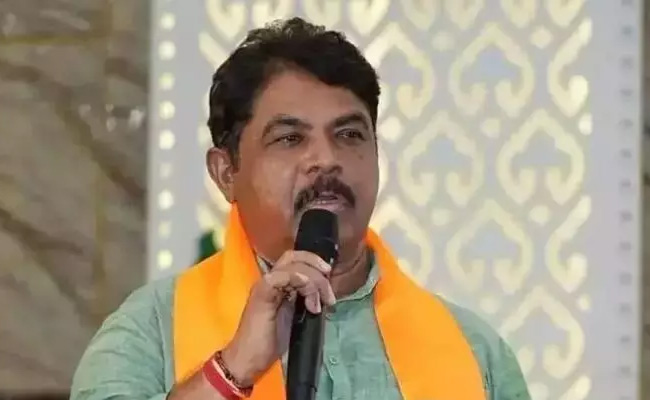
Bengaluru: Leader of Opposition in the Assembly R. Ashoka has accused the Congress government of using the hijab issue to placate what he described as discontent among minority voters after the Davanagere by-election.
In a post on X on Wednesday, Ashoka alleged that the state government, instead of addressing issues such as price rise, corruption, farmers’ distress and law and order, was attempting to retain its minority vote base by reviving the hijab issue.
Referring to the 2022 dress code introduced by the BJP government, which prohibited hijab in schools and colleges, Ashoka said the Karnataka High Court had upheld the policy and emphasised the importance of discipline in educational institutions.
He questioned the Congress government’s move to revisit the issue and asked whether setting aside the court-backed policy to benefit one community could be described as secularism.
Ashoka further alleged that while the government was willing to permit hijab, it continued to prohibit saffron shawls.
He accused the government of dividing students on religious lines rather than treating schools and colleges as spaces of equality.
Drawing a comparison with Mamata Banerjee’s government in West Bengal, Ashoka claimed that excessive appeasement politics had harmed the state and warned that the Congress in Karnataka could face a similar political response.
He said voters in Karnataka would teach the Congress a lesson for what he termed “vote-bank politics” and for compromising constitutional and judicial principles.