SC declines urgent listing of pleas against anti-conversion laws of various states
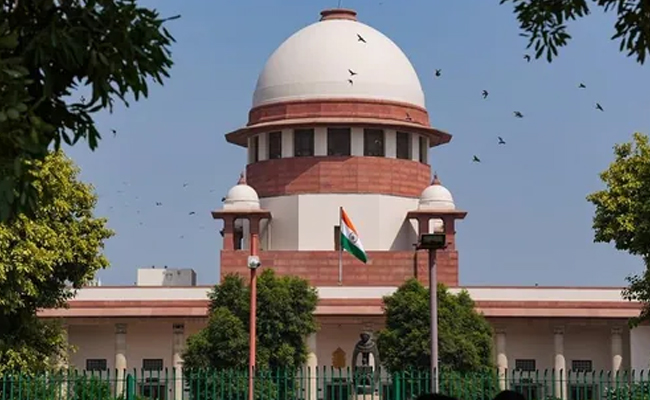
New Delhi (PTI): The Supreme Court on Tuesday refused to list for urgent hearing the pleas seeking a stay on anti-conversion laws enacted by various states, including Uttar Pradesh, Gujarat and Madhya Pradesh.
A bench comprising Chief Justice B R Gavai and Justices K Vinod Chandran and NV Anjaria said the pleas will be listed for hearing in December.
A lawyer, appearing for one of the petitioners, sought listing of the interim pleas, seeking stay of the laws, next week.
“It is not possible. I have to write judgments,” the CJI, who is retiring on November 23, said.
On September 16, the bench sought the stand of several states on the pleas seeking a stay on their respective anti-conversion laws.
While issuing notices to states, the CJI-led bench made it clear that it will consider the prayer for staying the operation of such laws once the replies were filed.
The bench had then granted four weeks to the states for their responses and allowed the petitioners to file rejoinders two weeks thereafter. The matter was posted after six weeks.
The bench is seized of petitions challenging the constitutional validity of anti-conversion laws enacted by several states, including Uttar Pradesh, Madhya Pradesh, Himachal Pradesh, Uttarakhand, Chhattisgarh, Gujarat, Haryana, Jharkhand, and Karnataka.
The Centre previously raised questions over the locus standi of activist Teesta Setalwad's NGO Citizens for Justice and Peace in challenging the contentious state laws regulating religious conversions due to interfaith marriages.
Alleging the NGO allows its name to be used "at the behest of some selected political interest", the Union of India claimed it was guilty of collecting huge funds by exploiting the agonies of riot-affected people.
The apex court on January 6, 2021 agreed to examine certain new and controversial laws of states like Uttar Pradesh and Uttarakhand regulating religious conversions due to interfaith marriages.
The Uttar Pradesh law relates to not only interfaith marriages but all religious conversions and lays down elaborate procedures for anyone who wishes to convert to another religion.
The Uttarakhand law entails a two-year jail term for those found guilty of religious conversion through "force or allurement". The allurement can be in the form of cash, employment or material benefits.
The plea filed by the NGO alleged that these legislations violate Articles 21 and 25 of the Constitution as those empower the State to suppress an individual's personal liberty and freedom to practise the religion of his choice.
Let the Truth be known. If you read VB and like VB, please be a VB Supporter and Help us deliver the Truth to one and all.
Lebanon appoints new representative for talks with Israel, rejects linkage to Iran
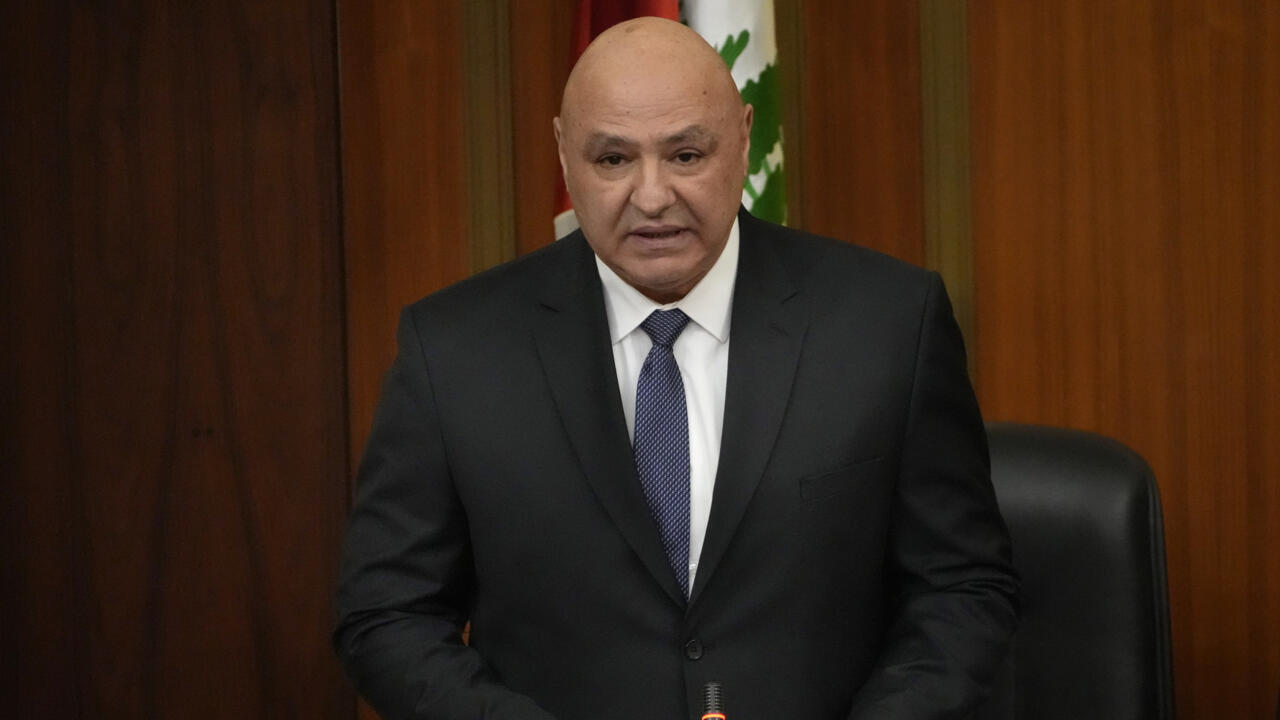
Beirut: Lebanon’s has moved to underline its independent position in ongoing regional developments, amid attempts to link the country to the broader conflict involving Iran, the United States and Israel.
President Joseph Aoun, while announcing the appointment of former US ambassador Simon Karam as Lebanon’s representative in talks with Israel, made it clear that Karam would be the sole representative for Lebanon and that there would be no substitute.
The move comes in response to what the Lebanese officials see as efforts by Iran to tie Lebanon’s situation to the wider regional conflict. Iran had indicated that there would be no ceasefire involving the US, Israel and Iran unless it also included a ceasefire in Lebanon.
Some groups, including Hezbollah and its supporters, had expressed support for linking the situations, citing concerns that the Lebanese government has limited leverage in negotiations with Israel. Lebanon is not formally a party to the conflict, and its army is considered weak.
However, others, including Prime Minister Nawaf Salam, have opposed this approach. They view Iran’s stance as an attempt to influence Lebanon’s internal affairs and see it as undermining the country’s sovereignty.
Officials backing the government’s position say the move is aimed at reaffirming Lebanon’s sovereignty and ensuring that decisions about peace and ceasefire within the country are not dictated externally.
They also see it as a safeguard, so that any breakdown in talks between the US, Israel and Iran does not automatically lead to renewed conflict in Lebanon.